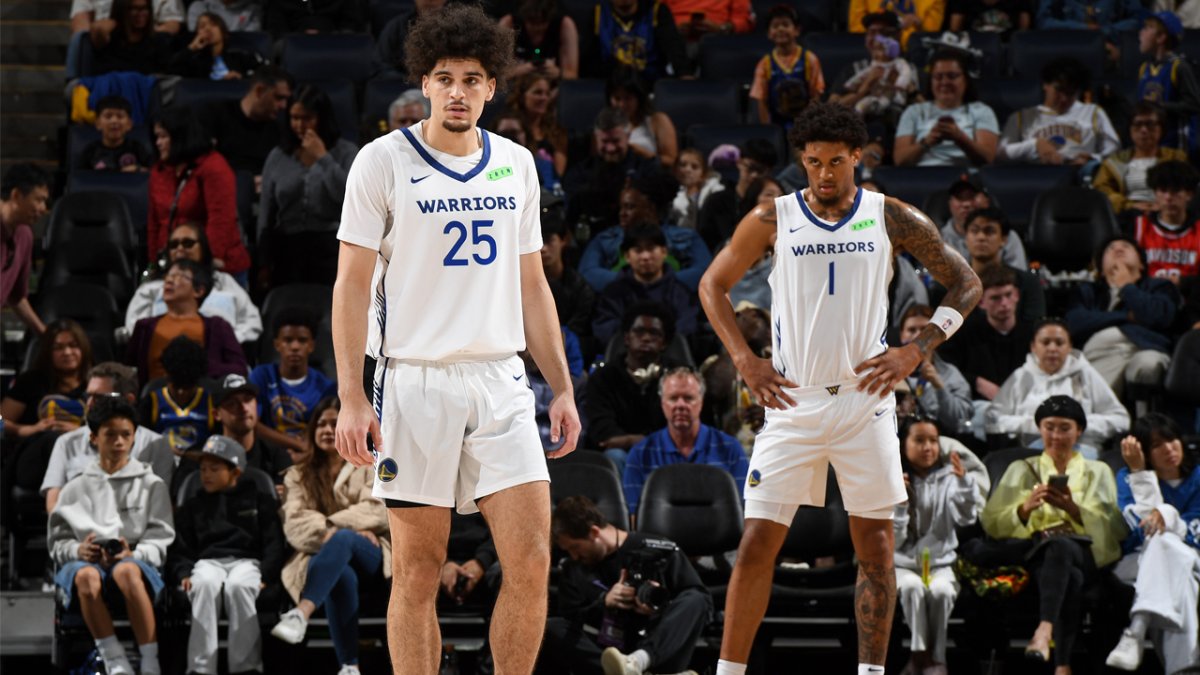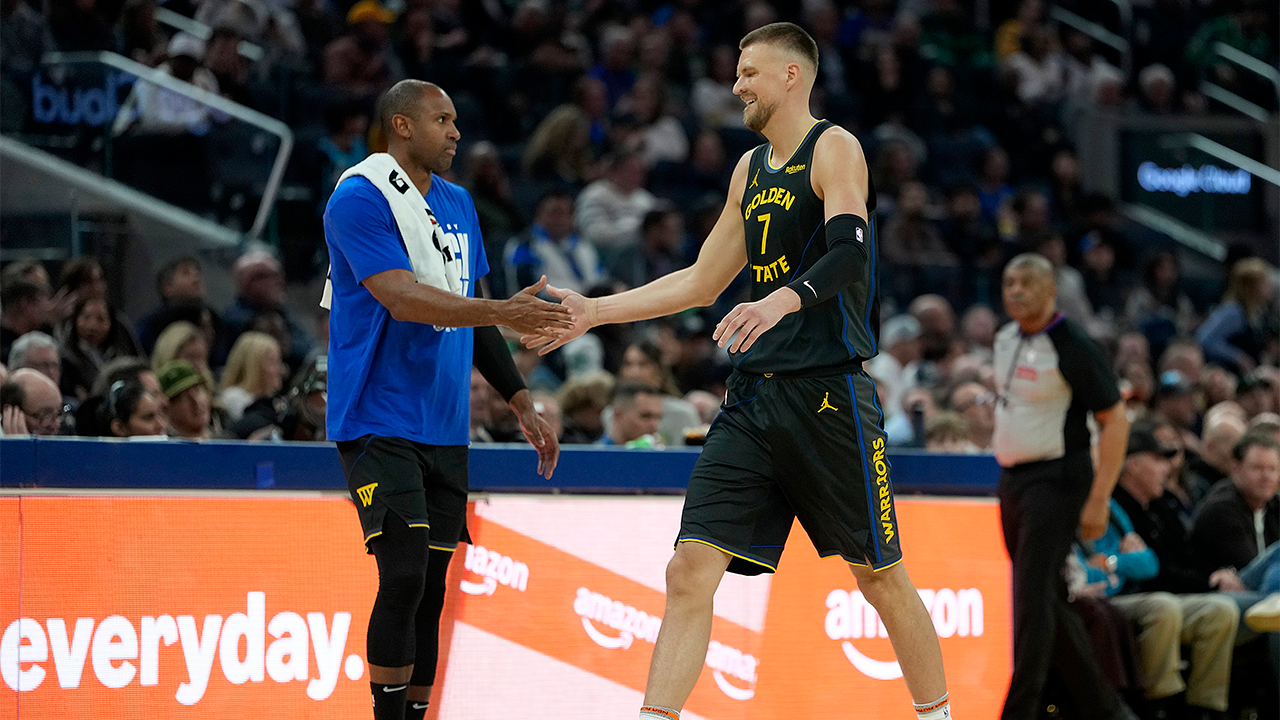
Golden State has released a detailed offseason tracker on NBA.com that outlines every contract, option and salary-cap implication the franchise will face as free agency approaches. The document maps out the expiration points for the key deals of its star players, giving fans a clear timeline of the upcoming roster moves. By laying out these milestones, the tracker provides a roadmap for how the Warriors can manage their financial flexibility while preserving the competitive core.
The tracker also flags two critical league windows that will shape the Warriors' strategy. One window marks a moratorium period that limits trade activity, while the other sets a deadline for contract signings. These periods force the front office to weigh the value of continuity against the flexibility that comes from letting high-value contracts run their course. The timing of these windows will heavily influence decisions about whether to retain key pieces or explore alternative roster configurations.
From a basketball perspective, the tracker forces a focus on how Golden State will address the potential loss of a primary perimeter scorer and elite defender. Losing such a player would push the team to rely even more on its star guard’s scoring ability and on the wing defense of existing role players. The organization will likely seek a contract-flexible wing who can excel in catch-and-shoot situations and provide defensive versatility, aligning with the team’s emphasis on spacing and switching on that end of the floor.
The broader strategic picture underscores the Warriors’ long-term plan of maintaining a core of three All-Stars while supplementing it with short-term role players. Past moves have illustrated a willingness to exchange draft assets for proven talent, and the new tracker reinforces that pattern. It signals a readiness to absorb salary for a veteran wing or defensive specialist if the market aligns, showing that the franchise continues to balance immediate competitiveness with future flexibility.
Looking ahead, the upcoming moratorium period will be the first decisive moment for the organization. If Golden State elects to re-sign its veteran wing, the extension would likely lock him in for additional seasons, preserving the core that has driven recent championships. If the organization chooses not to extend, the free-agency window becomes crucial for identifying a replacement, whether through free agents on expiring contracts or players with options that can be exercised. By early summer, the Warriors must either have secured a new wing or cleared sufficient cap space to pursue a marquee free agent, setting the stage for a roster that either extends its championship window or pivots toward a new era.
 Golden State Warriors