The Milwaukee Bucks have officially moved on from Giannis Antetokounmpo and are now assessing the most tradable pieces on their roster ahead of the 2026-27 season. With a younger core taking shape, the front office is focused on shedding veteran contracts that no longer fit a contending timeline and replacing them with draft capital or promising players.
Tyler Herro stands out as a prime candidate. He has one year left on his contract and will earn $31 million next season, making his deal an expiring asset that can provide flexibility for any team that does not intend to extend him. Herro’s ability to create his own shot, blend perimeter shooting with aggressive slashing, and potentially become the Bucks’ primary scoring option if he stays on the roster adds to his market value. Interest from the Detroit Pistons has already been noted, underscoring the demand for a scorer of his caliber.
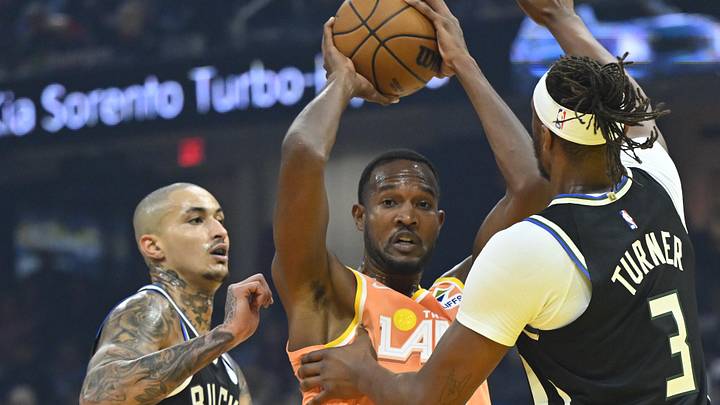
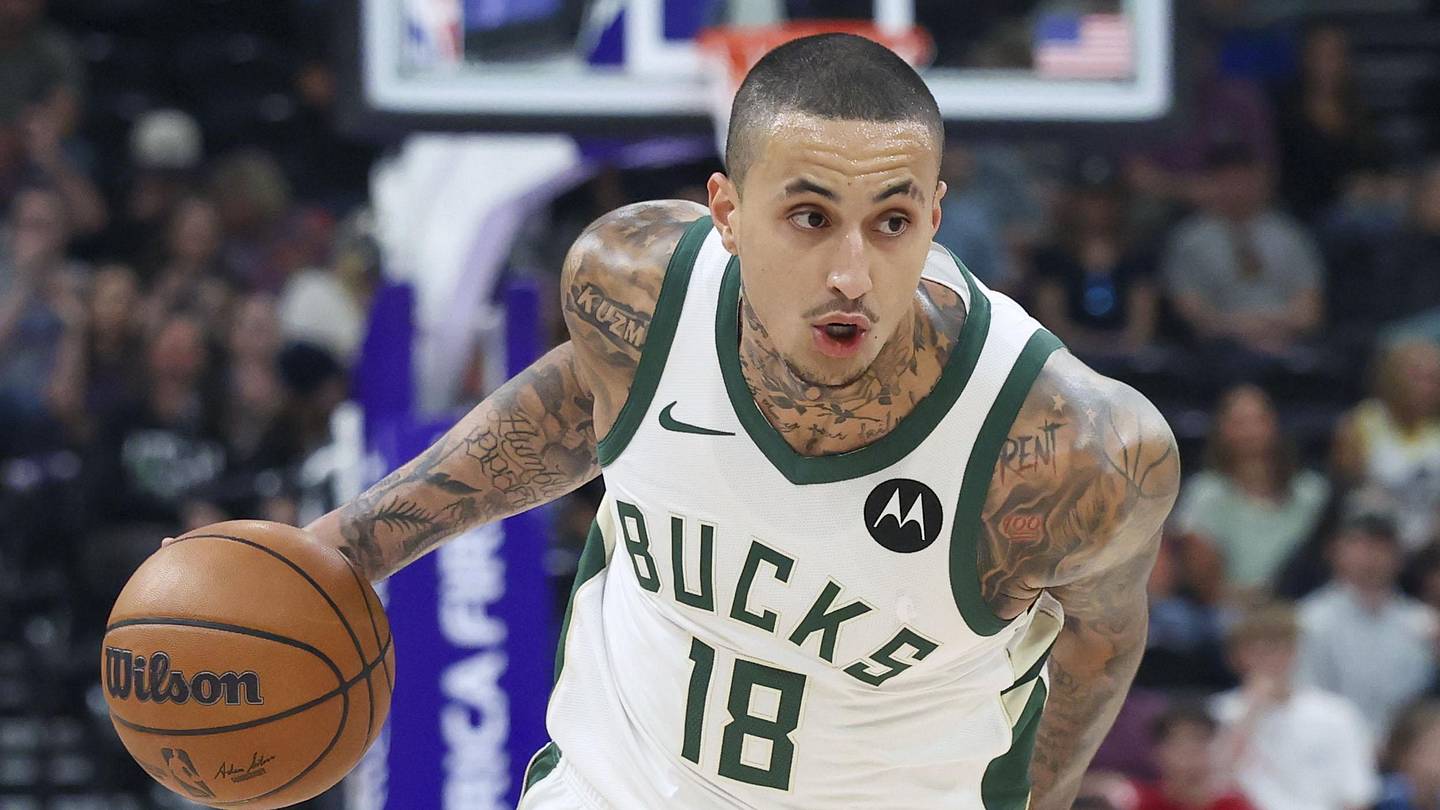
Kyle Kuzma is the other veteran the Bucks are willing to move. Kuzma’s contract is also set to expire next year, but at a more manageable $21 million. The lower figure makes it easier for contending teams to match his salary. As a former NBA champion and a solid stretch-forward, Kuzma offers spacing and veteran locker-room presence, traits that complement a youthful core looking for a reliable three-point threat from the frontcourt.
Both contracts fit neatly into the Bucks’ cap strategy of converting high-salary veterans into assets. Since the Giannis trade, the organization has been actively stripping away veteran talent in exchange for draft picks and younger players, a pattern that aligns with the goal of a full rebuild centered on developing talent. The expiring nature of Herro’s and Kuzma’s deals makes them attractive to teams seeking immediate scoring upgrades without long-term financial commitments.
Looking ahead, the Bucks are likely to explore the trade market for Herro and Kuzma before the season’s deadline, aiming to extract maximum value, whether in the form of draft selections or promising young players. Their ability to leverage these contracts will be a key factor in shaping Milwaukee’s rebuild trajectory over the next two seasons, determining how quickly the franchise can return to relevance.
 Milwaukee Bucks