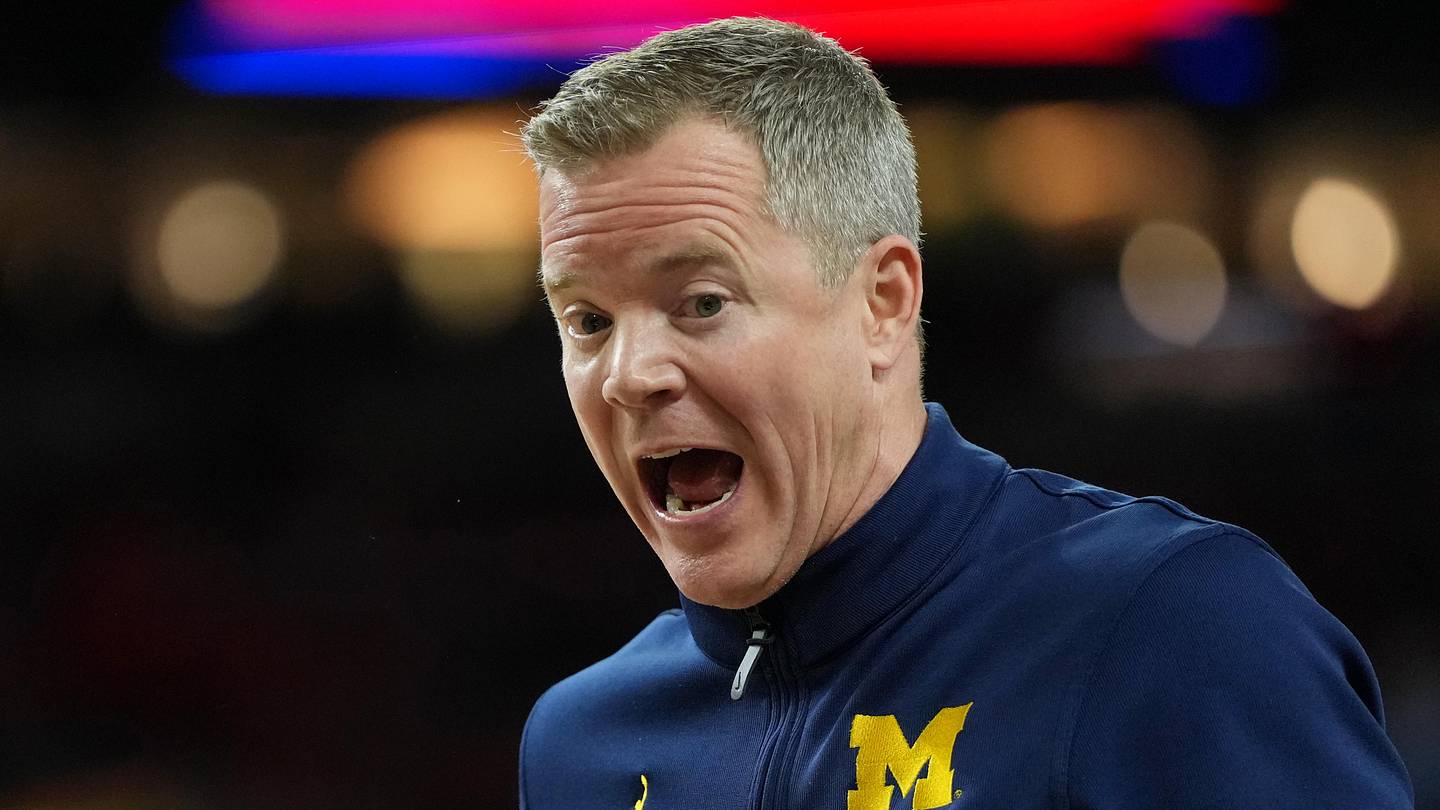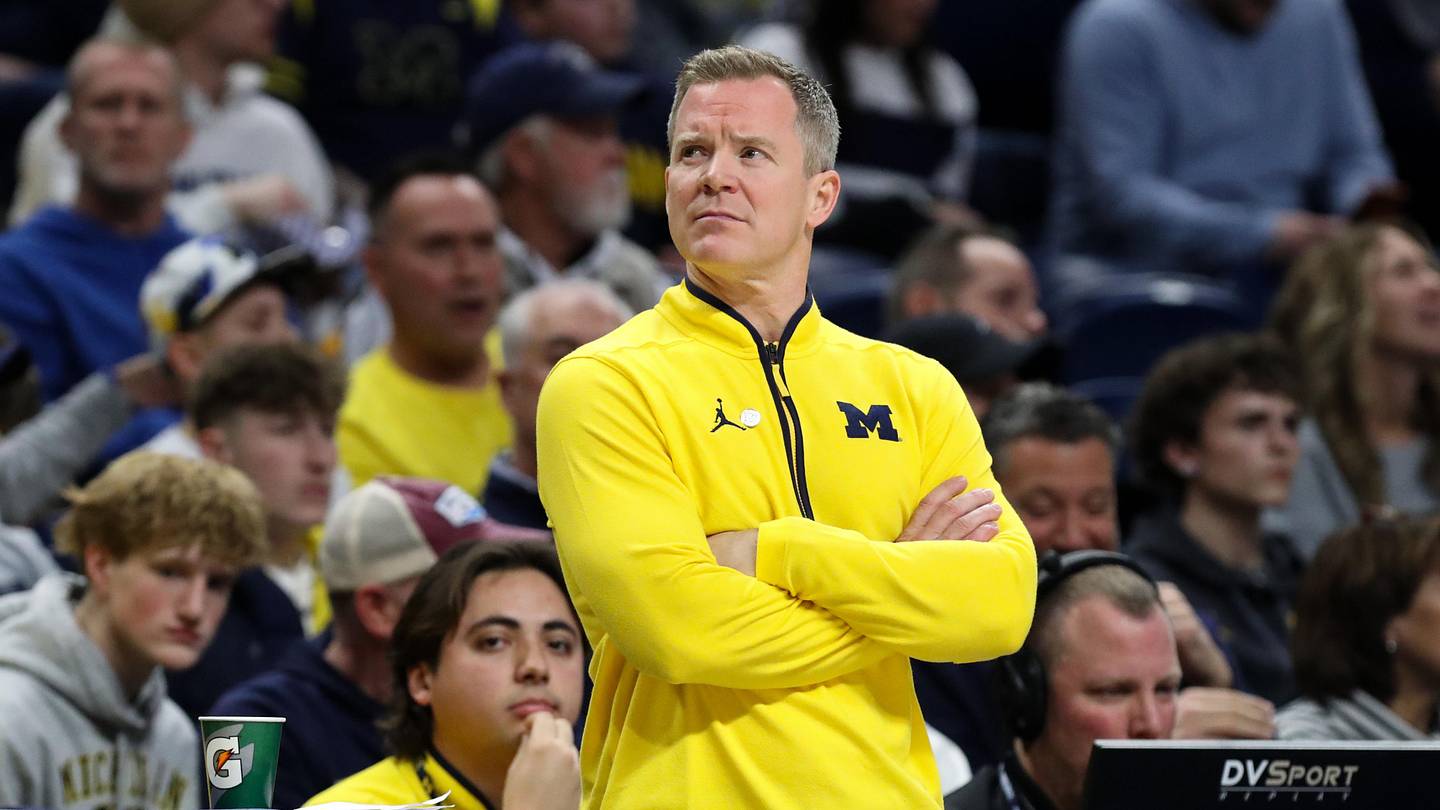
The Dallas Mavericks officially introduced Dusty May as their new head coach, ending weeks of speculation about the vacancy left by Jason Kidd. The front office had previously focused its attention on Duke’s Jon Scheyer, making several overtures before the hiring was announced.
According to NBA insider Brian Windhorst, the Mavericks pursued Scheyer multiple times. Windhorst recalled the conversation: “They did, from what I understand, Scheyer said no, that he wants to win a championship at Duke before he would ever consider anything.” The repeated refusals left Dallas looking elsewhere for a coach who could deliver immediate results.
When Scheyer’s door remained closed, the Mavericks turned to May with a lucrative offer , the exact terms of which have not been released. The decision underscores Dallas’ willingness to invest heavily in a coach who can quickly elevate a program, even if the financial details remain private.
May’s résumé at Michigan provides a clear rationale for the move. In his first season, he guided an eight-win Wolverines team to a Sweet 16 appearance, a dramatic turnaround that put the program among the nation’s most efficient squads. He followed that season with a national championship, cementing his reputation for rapid program development. Although he had signed a two-year contract extension with Michigan, May left for the NBA, indicating his long-standing ambition to coach at the professional level.
Dallas appears to view May’s track record as a blueprint for its own rebuilding efforts. The Mavericks have struggled to find a consistent developmental path for younger talent, and May’s history of turning underperforming college teams into contenders suggests he can implement a disciplined, results-oriented culture. His experience in reshaping a program’s identity aligns with Dallas’ desire for a coach who can blend strategic innovation with accountability.
May’s first test will arrive in preseason, where he must install his offensive and defensive schemes with a roster still adjusting to recent contract moves. Success will be measured by how quickly the Mavericks can translate May’s collegiate turnaround formula to the NBA, particularly in developing their young players and sustaining competitive performance throughout the season. The hiring signals a pragmatic shift for Dallas: when the most coveted college name declined, the franchise opted for a proven builder who has already demonstrated the ability to win at the highest collegiate level.

 Dallas Mavericks