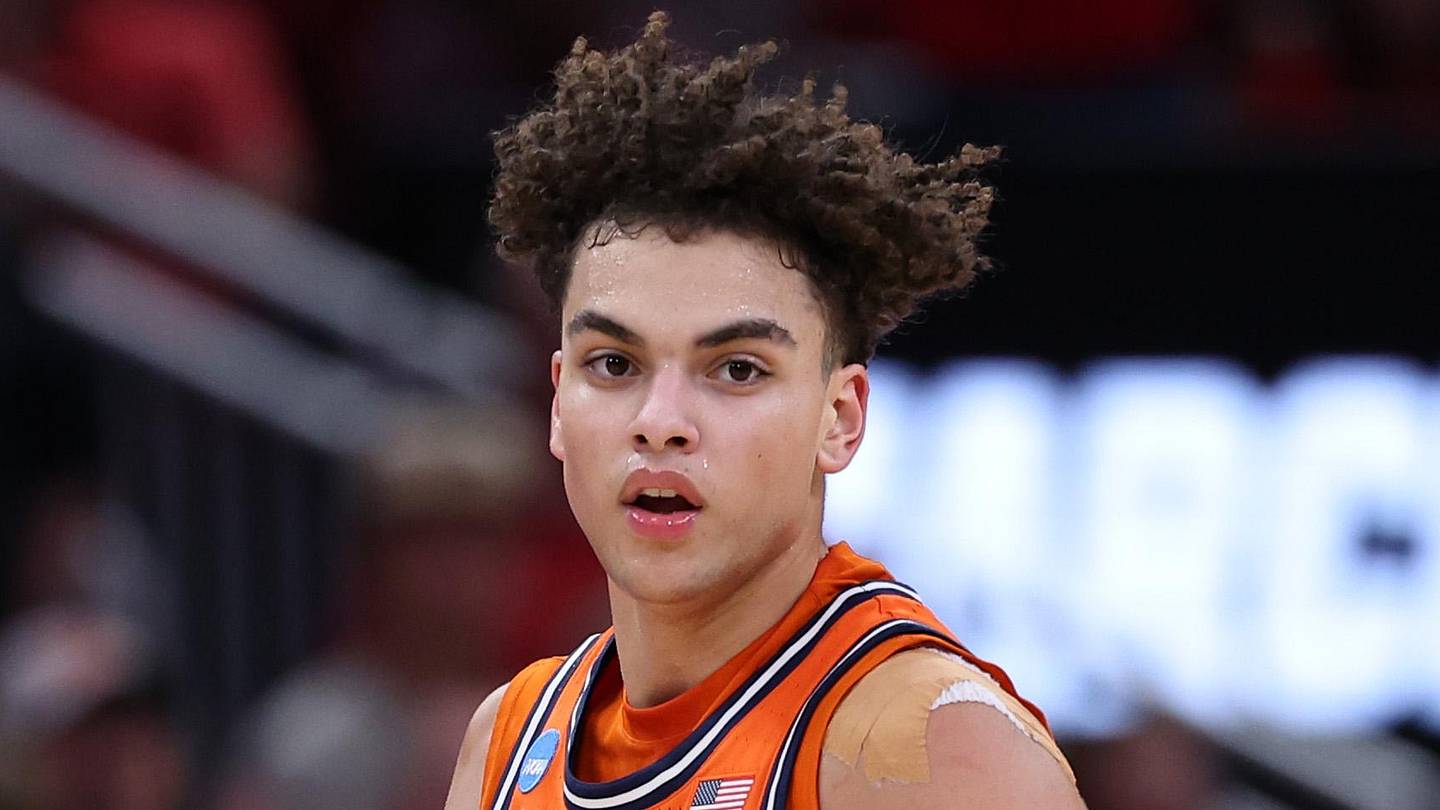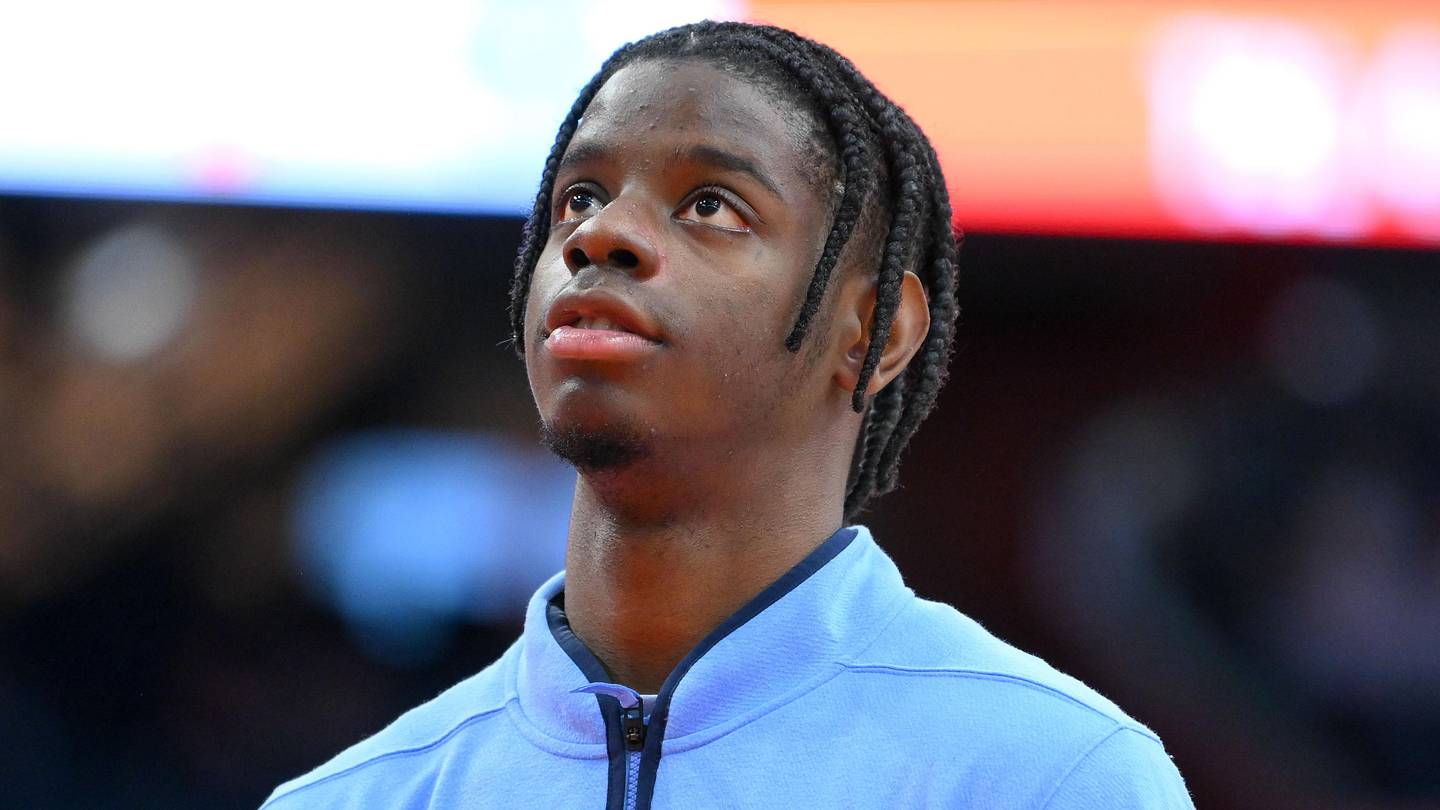
With just over a week until the draft, Caleb Wilson has not worked out for the Chicago Bulls. The Bulls have hosted Darius Acuff Jr., Keaton Wagler and Kingston Flemings. Each of those guards projects in the 5-10 range.
Wilson stands as the player most expect to hear called at No. 4. That omission has stirred fans who wonder if the Bulls might pivot early for one of the guards already in their building. The concern misses the larger picture around how top prospects now approach the predraft process.
AJ Dybantsa, Darryn Peterson and Cameron Boozer also have yet to work out for Chicago. Dybantsa has visited only the Washington Wizards and Utah Jazz. Peterson and Boozer have each logged only a single workout with Utah. The pattern holds especially for players represented by Klutch. Elite prospects limit their stops to maintain control of their landing spots.
The Bulls already carry a young point guard in Coby White plus a versatile wing in Zach LaVine. Their clearest need sits in the backcourt, where additional shooting and defense would upgrade the group. Wilson's post-oriented game and limited floor spacing create a stylistic mismatch with the pace-and-space approach Billy Donovan prefers. Chicago's recent workout guests all profile as floor-stretchers who can guard multiple spots.
Top agencies now steer clients through narrow workout windows to keep leverage intact. By holding back visits until the final days, Wilson and his representatives leave teams without full firsthand data. The Bulls' decision to bring in a cluster of guards reflects targeted information gathering at a position of need rather than any sudden interest in moving up. Other teams face the same constraints when dealing with this tier of agency-controlled talent.
The draft opens June 26 in Brooklyn. Chicago will almost certainly select a guard from the group that has already impressed there. If Wilson falls to the 5-10 range, a club with clearer need for a traditional big could step forward. For the Bulls, the lack of a Wilson workout reveals nothing about their plans. It simply illustrates how agencies now dictate the flow of information in the lead-up to the selection process.

 Chicago Bulls