The Chicago Bulls approach the upcoming NBA Draft with a rare strategic advantage: they own two picks within the top fifteen. Holding the fifteenth slot and an additional lottery selection that could land in the mid-first-round range gives the franchise flexibility that few teams possess at this point in the draft process.
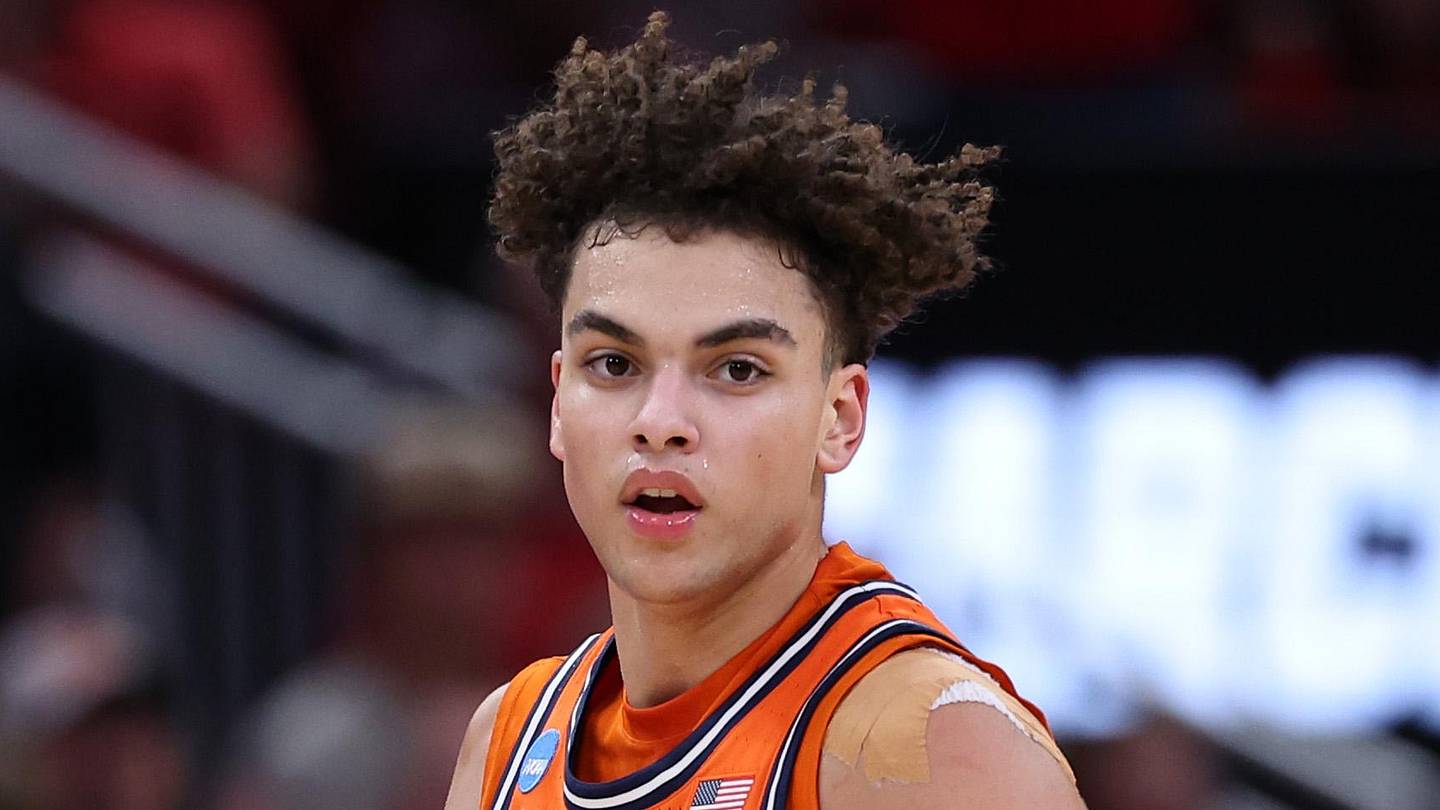
In the weeks leading up to the draft, Chicago hosted a series of pre-draft workouts that highlighted its scouting focus. Guard prospects Darius Acuff Jr., Kingston Flemings and Keaton Wagler each visited the Bulls’ facilities, while forward Nate Ament from Tennessee also stopped by. The concentration of backcourt talent in these workouts suggests the front office is actively evaluating options to bolster the guard rotation, and Ament’s presence signals that front-court depth remains a priority as well.
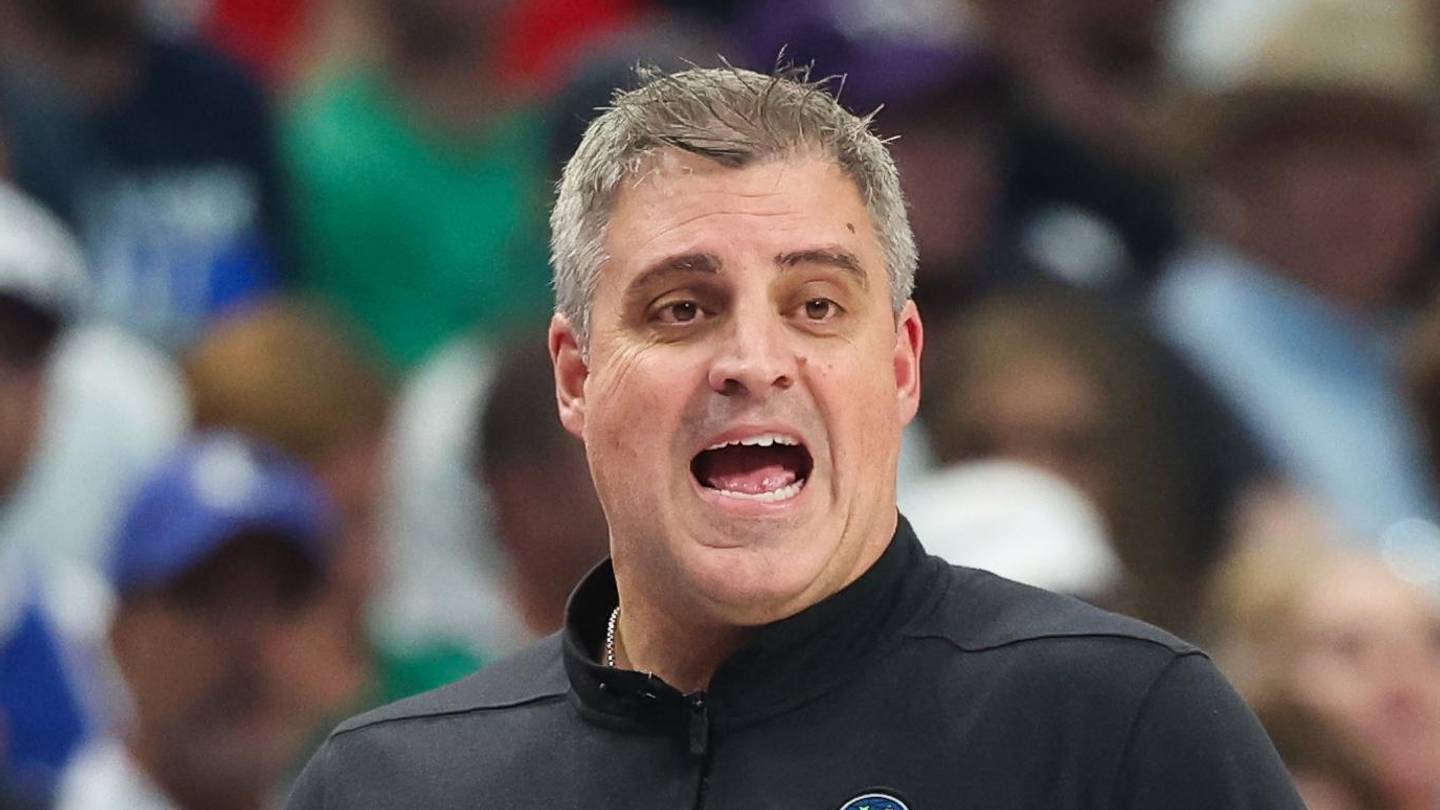
Since assuming control of the basketball operations, new lead executive Bryson Graham has repeatedly emphasized a process-oriented approach. In his introductory press conference he stressed that the organization will let the draft unfold organically, preferring long-term strategy over quick fixes. This philosophy has become a cornerstone of the Bulls’ decision-making, shaping how they weigh the value of their assets against the potential upside of moving higher on the board.
Speculation has swirled about a possible trade-up from the fifteenth slot, but Graham has hinted that any such move would hinge on a single, undisclosed condition. While the exact nature of that condition remains private, the implication is clear: the Bulls are not ruling out a maneuver, but they will only pursue it if a specific prerequisite is satisfied. This cautious stance reflects the front office’s desire to protect its draft capital while remaining open to opportunities that could accelerate the team’s rebuild.
The core dilemma for Chicago centers on whether to retain both high-value picks to maximize depth or to package one of them in exchange for a higher selection that could secure a marquee talent. The depth of this draft class means that a lottery-level player could slip into the Bulls’ range if they stay put, providing a compelling reason to preserve both assets. Conversely, a successful trade-up could deliver an immediate impact player, but only if the condition Graham alludes to materializes.
All eyes will be on the draft floor as the Bulls weigh these options. Whether they choose to stay the course with two valuable selections or decide to trade up hinges on the unfolding draft dynamics and the hidden condition that could tip the balance. The outcome will shape the franchise’s roster construction for the coming seasons and will be a direct reflection of Graham’s measured, process-first philosophy.

 Chicago Bulls