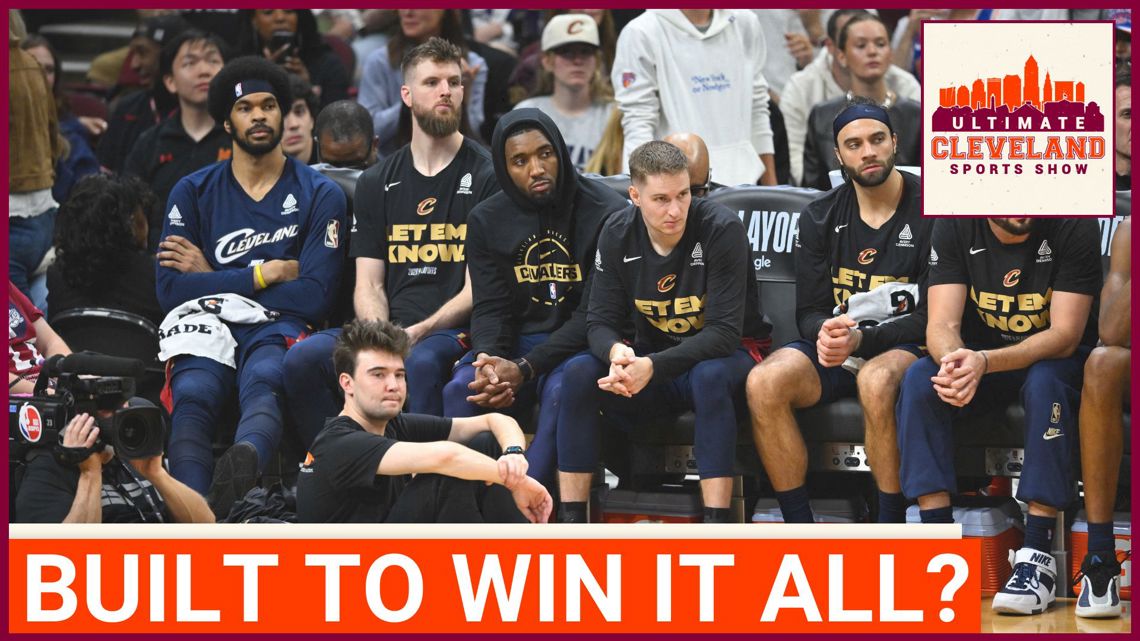
The Cleveland Cavaliers finished the 2025-26 regular season at 52-30 and fourth in the Eastern Conference before dropping their final game 93-130 to the Knicks. They entered the offseason with Donovan Mitchell and Evan Mobley locked into five-year extensions worth roughly $50.1 million annually starting in 2026-27, Jarrett Allen at $20 million in 2025-26 rising to $28 million the next year, and James Harden on a $42.3 million player option for 2026-27 that carries only $13.3 million guaranteed if exercised.
Those commitments create a $217 million-plus payroll for 2025-26 and push the team over the first apron in 2026-27. Mitchell posted 36.2 points per game on 45.1 percent shooting across 18 tracked outings with a 51.8 effective field-goal mark, while Mobley averaged 24.1 points on 59.2 percent true shooting and 11.4 rebounds. Allen contributed 21.8 points per game on 63.5 percent field-goal shooting in limited minutes alongside them, but the group combined for modest three-point volume and spacing.
A two-big frontcourt anchored by Allen and Mobley limits floor spacing and forces Cleveland into half-court sets that modern defenses exploit with switches and drop coverage. Opponents can pack the paint or send help without fear of consistent corner threes, and the lack of versatile wings or stretch fours reduces transition opportunities that faster lineups generate. The style worked in the regular season's controlled pace but exposed mismatches in playoff environments where smaller, switchable units thrive.
Cleveland's front office under Koby Altman has prioritized size and continuity around Mitchell and Mobley, a pattern that produced strong regular-season records yet repeated second-round exits. Adding Harden at age 36 injects playmaking but does little to address the perimeter shooting or wing depth needed against teams that stretch the floor with multiple creators. Rivals have shifted toward positionless lineups that maximize three-point attempts and defensive versatility, leaving the Cavs' traditional interior focus increasingly isolated.
The 2026 offseason presents a narrow window before the second apron hardens further restrictions. Cleveland must decide on Harden's option by late June, weigh extensions for supporting pieces like Max Strus, and determine whether to pursue wing upgrades or retool the frontcourt through trades. Any move that keeps the team above the apron blocks access to mid-level exceptions and limits flexibility through 2027.
The roster's construction reflects a bet on interior dominance that has not translated into deep playoff runs, and the league's continued emphasis on spacing leaves little margin for error in the coming cycle.
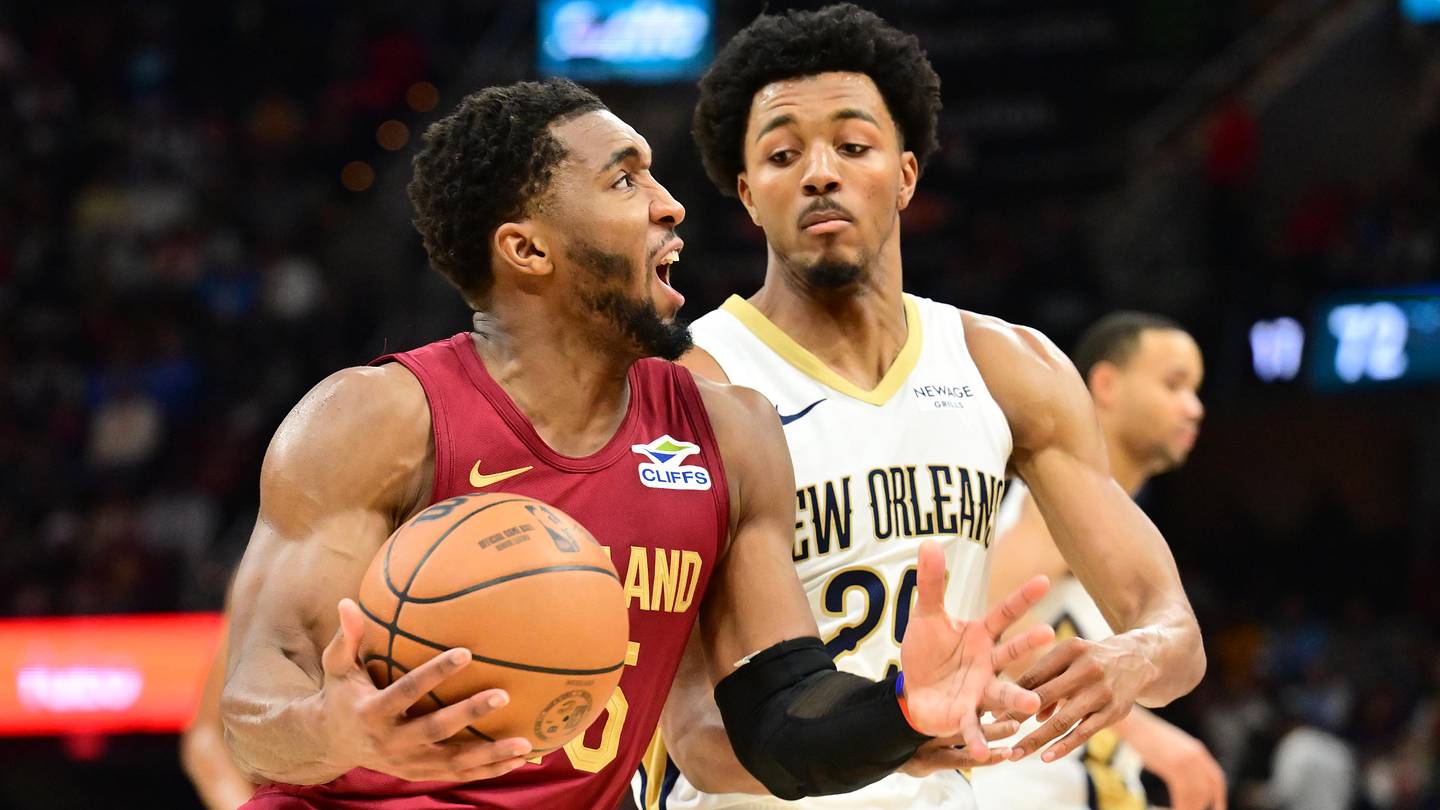
 Cleveland Cavaliers
