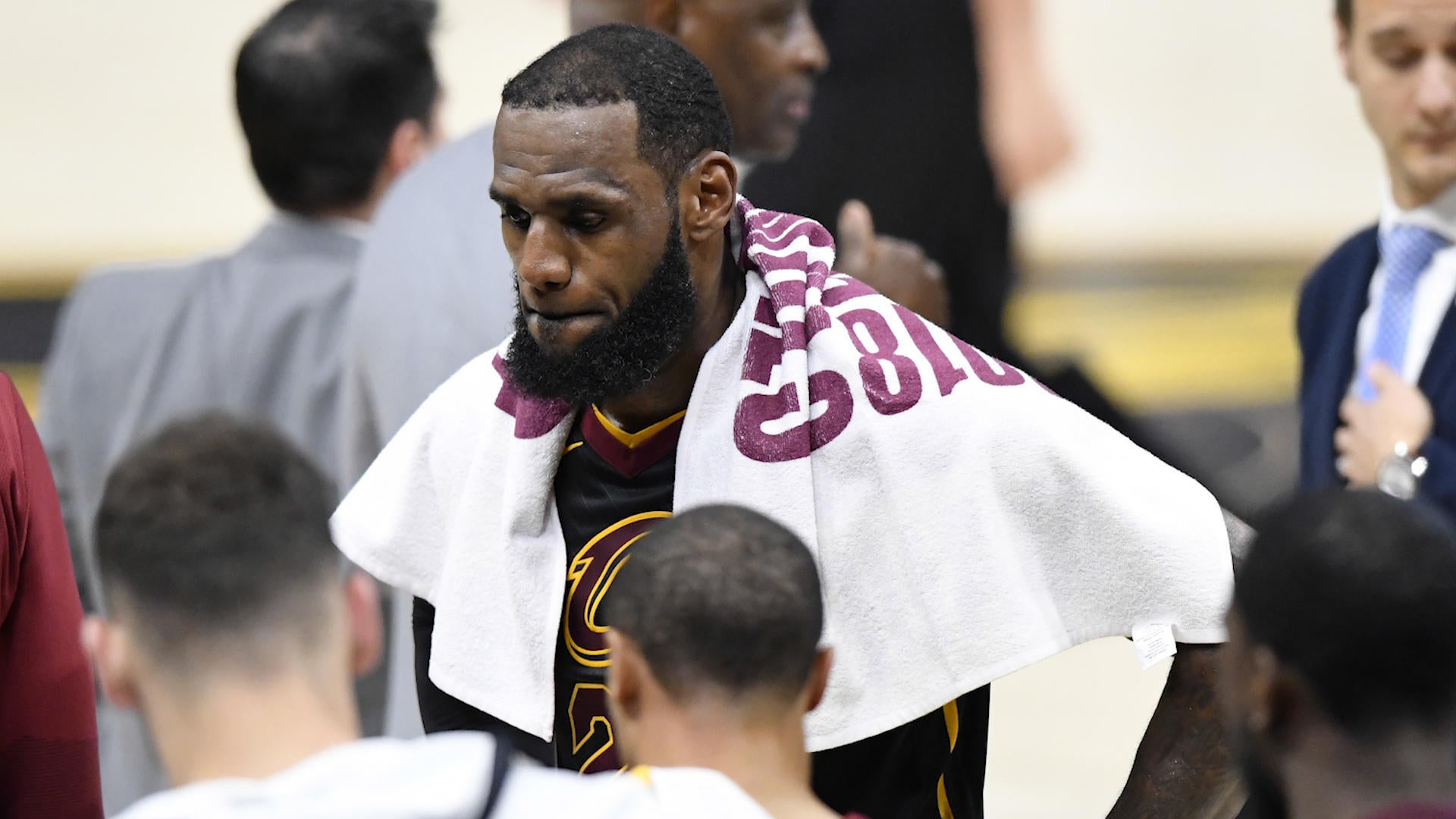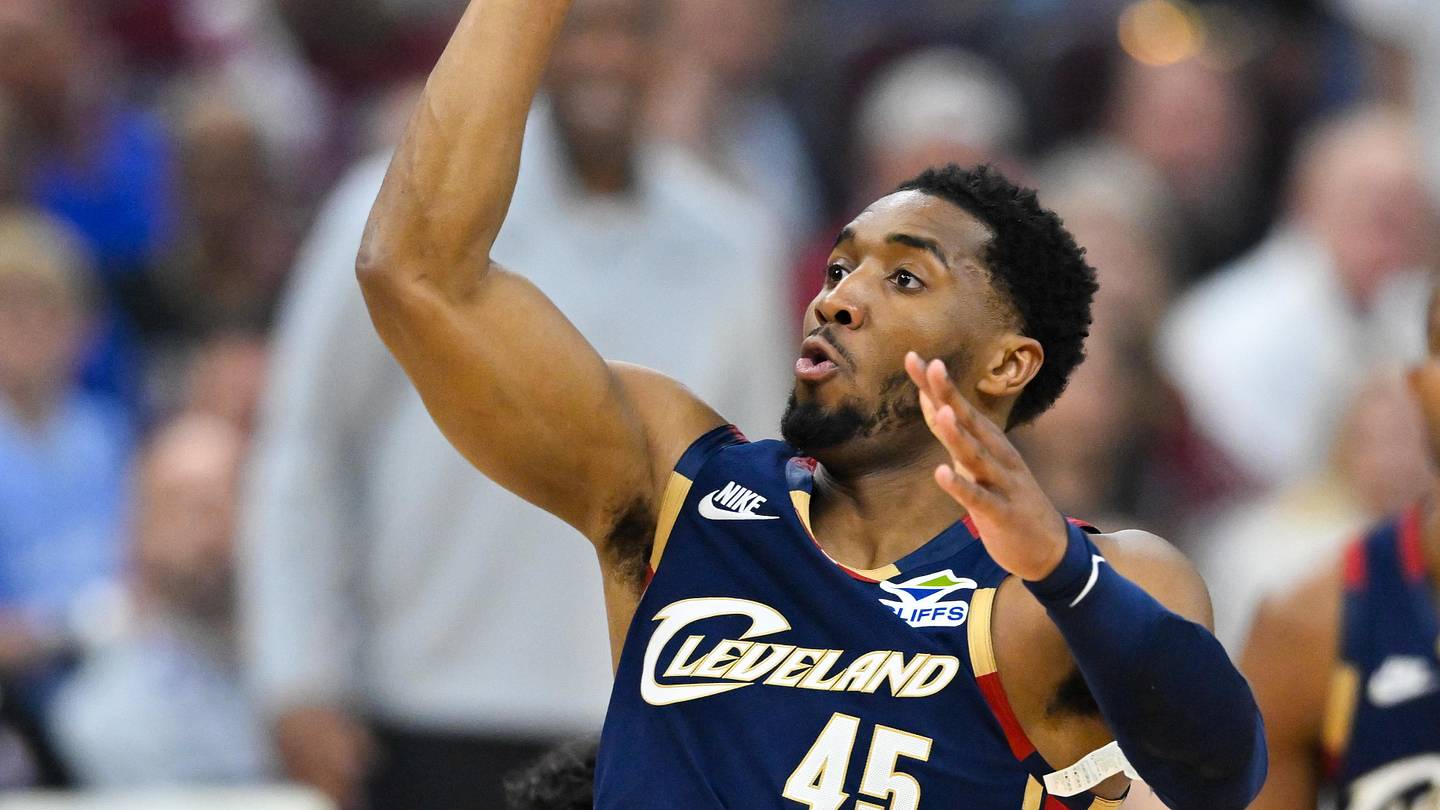
The Cleveland Cavaliers have been unusually silent after a sweep by the New York Knicks in the Eastern Conference Finals. Donovan Mitchell, the 29-year-old All-Star, publicly said he wants to stay in Cleveland, yet his contract is set to expire and the front office is already discussing a massive extension.
Mitchell is eligible for an extension this offseason, and the team could let the clock run to next summer, when he would be able to sign a $70 million deal. The possibility of a lucrative contract gives Cleveland a strong bargaining chip, whether it chooses to lock Mitchell up or explore other avenues.
The last time Cleveland faced a similar situation was in 2004, when Carlos Boozer signed a six-year, $68 million deal with the Utah Jazz after the Cavs could not match the offer sheet. Since then, NBA rules have changed, allowing Cleveland to exceed the salary cap to retain a star like Mitchell, something the Jazz could not do with Boozer.
Superstar players have repeatedly turned down money to chase championships, join other elite talent, or leave a small market for a larger one. Mitchell’s expressed desire to stay adds a layer of complexity; loyalty does not guarantee a contract that aligns with the Cavs’ long-term strategy. The franchise must weigh the risk of losing a premier scorer against the opportunity to acquire valuable assets in a trade.
If the Cavs decide to move Mitchell, they would likely seek a mix of young talent, mid-level contracts and draft capital that fits their timeline. Such a return could keep Cleveland competitive while resetting its salary structure. Conversely, retaining Mitchell would lock the team into a high-priced commitment that limits flexibility for other moves. The coming weeks will reveal which path the organization chooses, and the decision will shape the Eastern Conference landscape for years to come.
 Cleveland Cavaliers