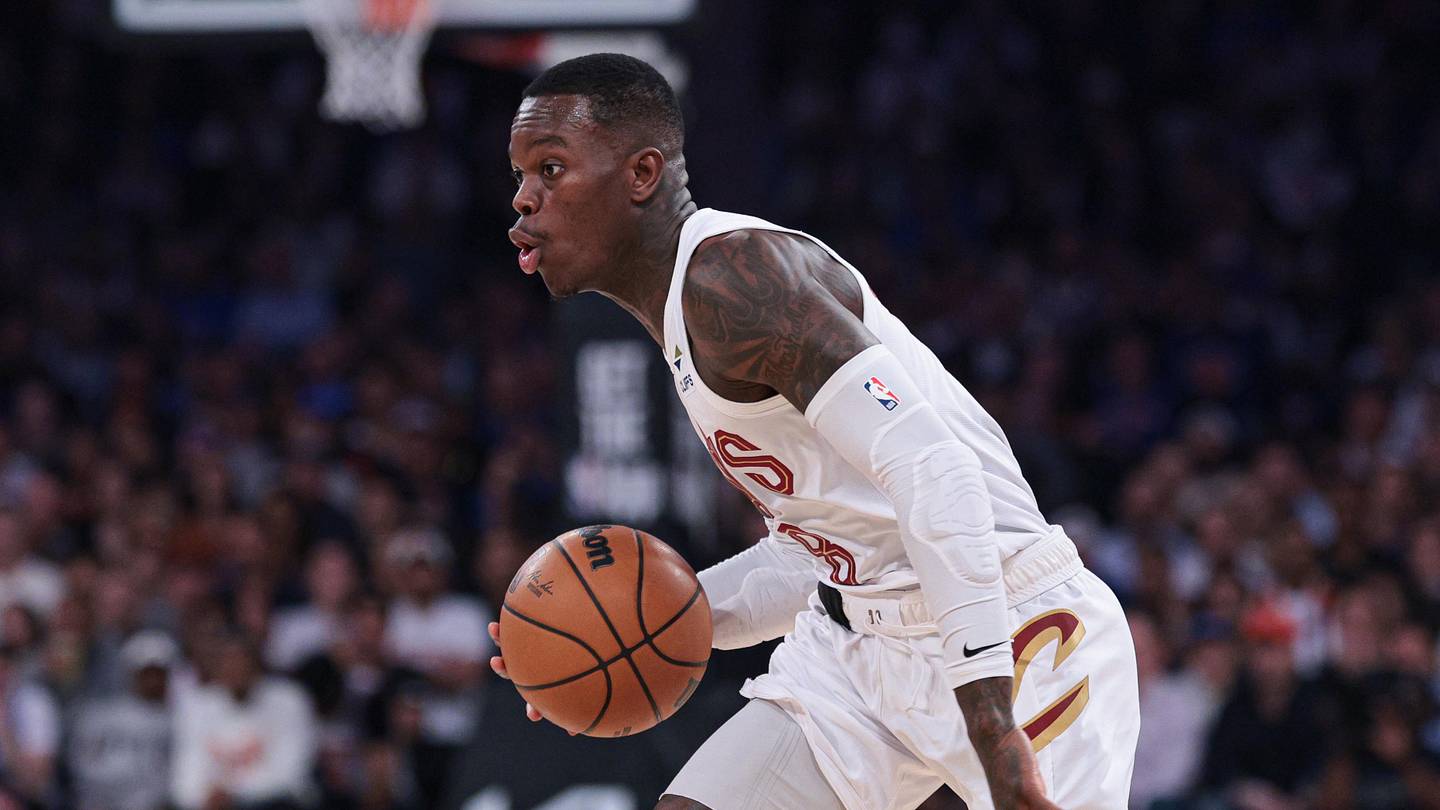
The current state of the Cleveland Cavaliers is defined by a sharp divide between grand ambitions and the practical needs of a playoff rotation. While the city remains fixated on the potential return of LeBron James or the arrival of Giannis Antetokounmpo, the front office faces a more immediate set of structural problems.
These high-profile names represent a championship ceiling that few teams can realistically touch. However, the path to the NBA Finals often relies as much on the reliability of the fifth starter as it does on the brilliance of the lead guard.
Donovan Mitchell remains the undisputed priority for the organization as they navigate a complex summer. Securing his long-term commitment is the first domino that must fall before any other roster construction can be finalized.
There is also the surprising undercurrent of negotiations regarding a potential deal with James Harden. These moves suggest a front office that is aggressive in its pursuit of veteran star power and elite playmaking.
But even a backcourt featuring Mitchell and Harden would struggle if the forward positions remain offensively stagnant.
Recent playoff exits have highlighted a significant vulnerability at the small forward spot. The Cavaliers have relied heavily on Dean Wade to provide defensive stability and length on the perimeter.
Wade has proven himself to be a capable defender who can navigate screens and contest shots effectively. Yet his offensive contributions have reached a plateau that is difficult to ignore in a high-stakes environment.
For the past three seasons, Wade has failed to average more than six points per game.
This lack of scoring production creates a specific type of pressure on the rest of the lineup. When a primary defender like Wade is on the floor, opposing defenses can afford to sag off him and clog the driving lanes for Mitchell.
The absence of a consistent third or fourth scoring option allows opponents to double-team the ball handler without fear of being punished. During the most critical stretches of the postseason, Wade has struggled to find his rhythm on the offensive end.
The team needs more than just a defensive specialist to balance the floor.
Sports Illustrated has identified this specific weakness as a primary area for improvement this summer. While the organization may dream of adding a superstar of LeBron James' caliber, the reality of the trade market usually points toward more modest upgrades.
A player who can provide 10 to 15 points on a given night would fundamentally change the geometry of the Cleveland offense. This scoring punch is what was missing when the team needed a release valve during the playoffs.
One name that has surfaced as a potential solution is Derrick Jones of the Los Angeles Clippers. Jones represents a profile that aligns with the current needs of the Cleveland roster.
He is a defensively minded wing who has shown a greater capacity for scoring than the current internal options. Last season, Jones averaged 10.1 points per game while shooting 49 percent from the field.
This level of efficiency is vital for a player who will likely serve as a fourth or fifth option in most lineups.
Jones does not require a high volume of touches to be effective. He is known for not rushing his shots and understanding his role within a larger system.
This adaptability is exactly what the Cavaliers need from their supporting cast. If the team manages to retain Mitchell or add a high-usage player like Harden, they will need wings who can thrive in the gaps.
Jones can provide rim pressure through transition runs and timely cuts, which adds a vertical dimension to the offense.
Comparing the career arcs of Wade and Jones reveals a clear distinction in offensive floor. While Wade provides solid defensive metrics, his inability to crack the 10-point barrier limits the team's flexibility.
Jones has demonstrated that he can score at a higher clip without sacrificing the defensive intensity that the coaching staff demands. A simple trade for a player like Jones would not require the massive haul of assets that a superstar deal would command.
It is a move focused on marginal gains that lead to cumulative success.
The financial implications of such a move are also more manageable for a team nearing the luxury tax apron. Small trades allow the front office to maximize their salary slots without gutting the depth of the bench.
Maintaining trade value in other assets while filling a specific hole in the starting five is a hallmark of disciplined roster building. If the Cavaliers can acquire a reliable two-way wing for a modest price, they preserve their leverage for future transactions.
The fan stakes in Cleveland are incredibly high as the team enters this pivotal window. Supporters are accustomed to the championship-or-bust mentality that defined the previous decade.
The rumors involving LeBron James and Giannis Antetokounmpo feed into that desire for a quick return to the top. However, the reality of the NBA is that depth often wins out over top-heavy rosters that lack functional spacing.
A team that cannot get 10 points from its starting small forward is playing at a disadvantage every night.
Dean Wade's defensive contributions should not be entirely dismissed, but his role may be better suited for a bench unit where his limitations are less exposed. Moving him into a secondary role and bringing in a more productive starter like Jones would create a more balanced rotation.
It would also provide the coaching staff with more options when games slow down in the fourth quarter. Having a wing who can actually finish at the rim or hit an open corner three changes how a defense must approach the Cavaliers.
As the summer progresses, the focus will inevitably remain on the biggest names in the sport. The possibility of James Harden joining the fold or LeBron James returning home will dominate the headlines.
These are the moves that define an era. But the moves that define a season are often the ones that happen under the radar.
Upgrading the small forward position from a 6-point producer to a 10-point producer might seem minor in the context of a superstar trade. In the context of a seven-game playoff series, it is often the difference between a second-round exit and a trip to the Finals.
The Cavaliers have a roster that is close to contention, but it is currently incomplete. They have the star power in the backcourt and the defensive anchors in the paint.
The missing piece is a wing who can bridge the gap between those two units. By targeting a player like Derrick Jones, the front office can address a glaring weakness without overextending their resources.
It is a pragmatic approach to a problem that has plagued the team for several seasons.
If the Cavaliers can successfully navigate the Mitchell negotiations and find a way to bolster their wing depth, they will be in a strong position to compete in the Eastern Conference. The dream of a superstar arrival remains a enticing prospect for the city.
Yet the most successful version of this team is likely one that finds balance through smart, targeted acquisitions. The difference between being a good regular-season team and a true title contender lies in these specific roster improvements.
Ultimately, the front office must decide if they are willing to settle for defensive stability or if they will push for a more dynamic offensive identity. The evidence from the recent playoffs suggests that stability alone is not enough to overcome the elite teams in the East.
A move for a versatile scorer at the three position would signal a commitment to evolving the team's playing style. It would provide the necessary support for the stars and force opposing coaches to rethink their defensive strategies.
The success of the upcoming season depends on finding the right personnel to fill those critical minutes on the wing.

 Cleveland Cavaliers
