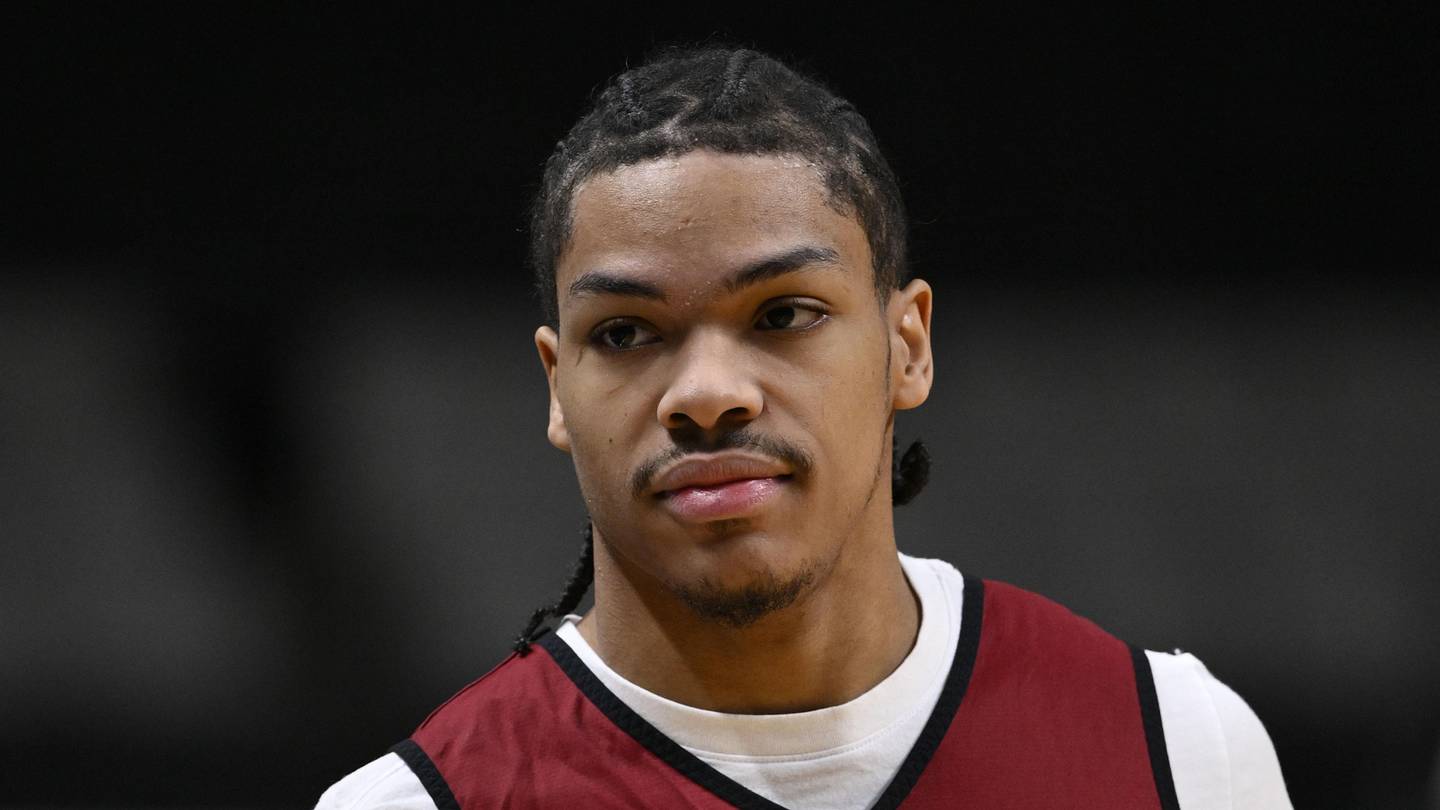
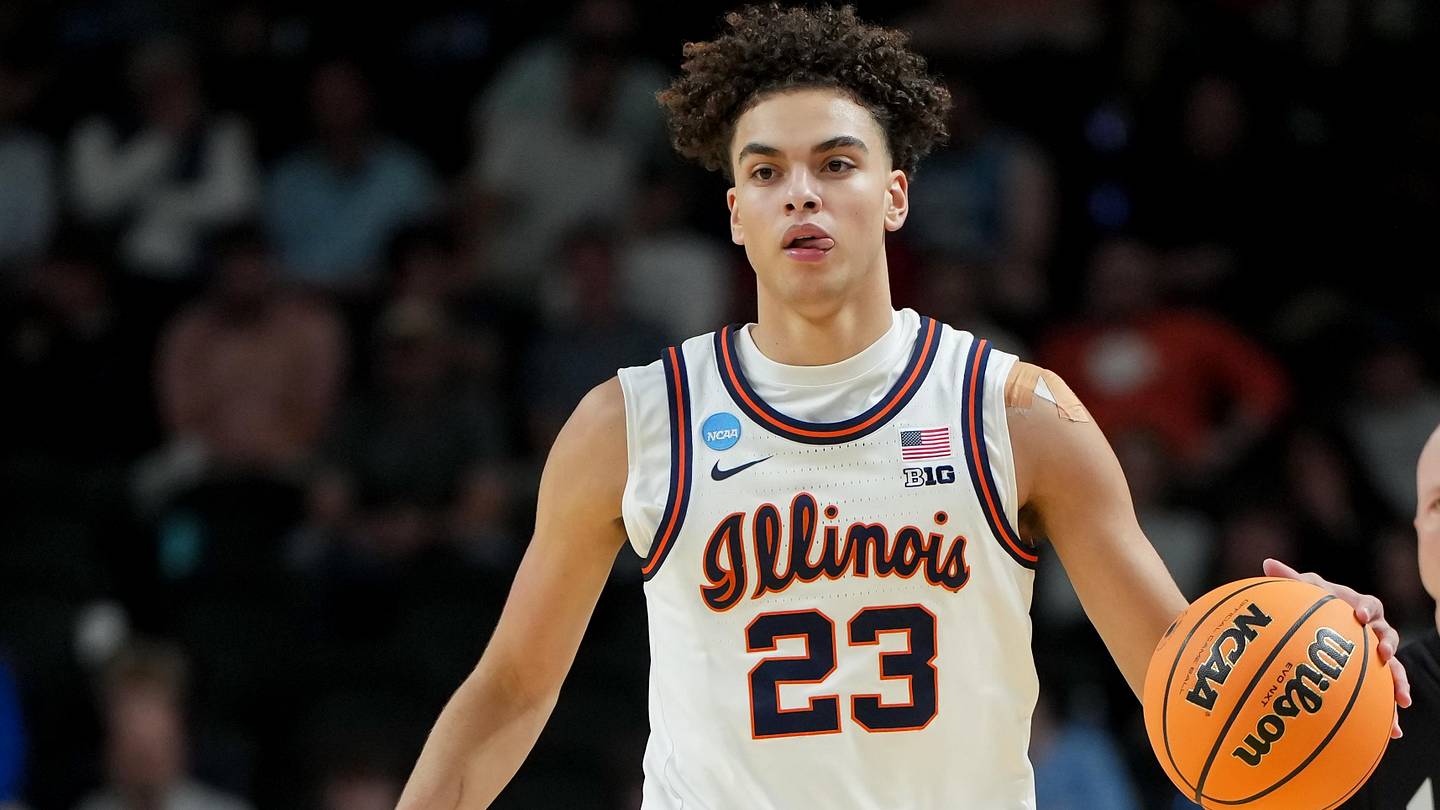
The Los Angeles Clippers have closed the door on any trade proposals that surfaced after the draft lottery confirmed their No. 5 slot. In a recent briefing the front office made it clear that the organization will not entertain offers that would compromise the value of the upcoming selection. With the trade deadline looming, the message is unmistakable: the club prefers to build around the talent available at the top of the draft rather than chase a short-term roster tweak.
The No. 5 pick carries a premium that can reshape a roster in a single offseason. While rookie scale contracts are modest compared with veteran deals, the slot itself is a tradable asset that can be combined with expiring contracts or future picks to acquire an established star. The Clippers sit comfortably under the salary cap, giving them the flexibility to absorb a package without jeopardizing financial health. That breathing room, coupled with a roster that already features a core of veteran contributors, makes protecting the pick a logical move.

From a basketball perspective, the team’s core needs a complementary piece that can stretch the floor and defend multiple positions. The talent typically available at No. 5 fits that mold, offering the potential for a two-way player who can contribute immediately while still possessing upside for future growth. By rejecting trade chatter, the Clippers signal a commitment to a roster that balances experience with youthful energy, rather than opting for a quick fix that could disrupt chemistry.
The decision aligns with the franchise’s broader strategy over the past few years: accumulate assets, maintain cap flexibility, and slowly construct a contender rather than making a splash with a blockbuster deal. Recent seasons have shown the front office’s willingness to trade away draft capital when the return was clear, but this time the emphasis is on preserving the draft’s intrinsic value. The move also mirrors a league-wide trend of teams preferring to develop home-grown talent rather than chase marquee names that often come with hefty contracts.
Looking ahead, the Clippers will enter the draft with a clear target and a short window before the trade deadline closes. If the board remains unchanged, the team is poised to select a player who can slot into their rotation immediately, while still retaining the ability to pivot if a truly transformative offer emerges. The next few weeks will determine whether the organization’s patience pays off, or if they ultimately decide to leverage the pick for a veteran addition in a future transaction.
In a market where every move is scrutinized, the Clippers’ refusal to entertain trade offers underscores a quiet confidence: the best way to improve is to let the draft do its work, and let the roster grow around it.
 LA Clippers