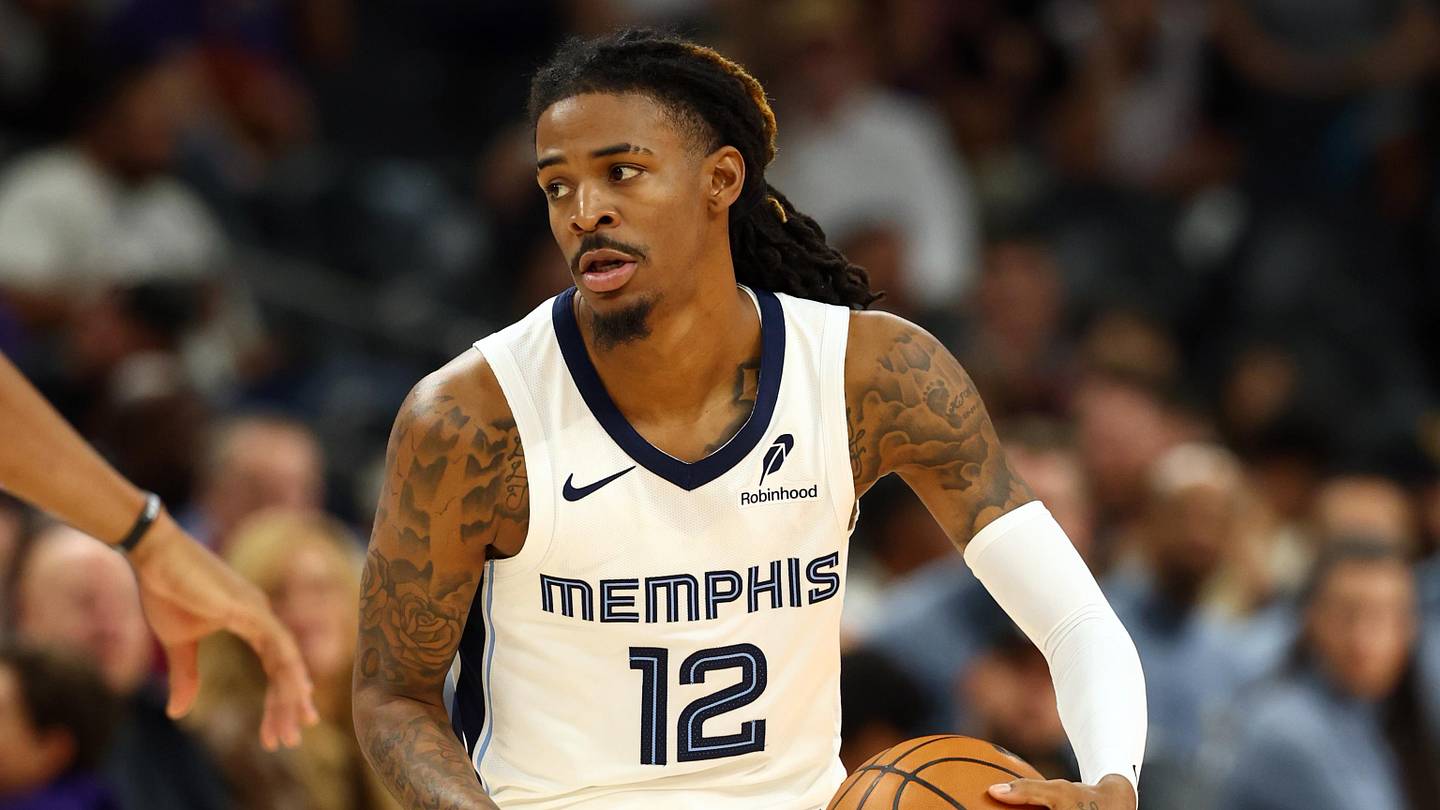
The Memphis Grizzlies organization faces a critical juncture, navigating an offseason landscape that could dramatically reshape their identity. A franchise that recently soared on the promise of its young core now confronts the complex reality of a potential star's market value. The path forward involves both high-stakes decisions at the top of the roster and meticulous scouting for depth.
ESPN's Brian Windhorst reported that Ja Morant "couldn't be more available on the trade market," a stark assessment of the guard's position within the league. This availability, however, does not translate to an eager line of suitors. Windhorst also detailed the Grizzlies' significant struggle to locate a team genuinely willing to acquire Morant.
This difficulty underscores a challenging environment for a player once considered the vibrant face of a burgeoning contender. The reasons for this market hesitation are layered, touching on his substantial contract, a history of suspensions, and the specific on-court fit he requires. Moving a player of his profile, even with his talent, is not a simple transaction.
The Stein Line's Jake Fischer, reporting through Bleacher Report, further illustrated this struggle with an explicit example. Fischer noted that the Sacramento Kings declined a potential Ja Morant deal. More pointedly, the Kings would reportedly demand the Grizzlies attach draft capital to Morant to facilitate any trade.
This reported condition from Sacramento speaks volumes about Morant's current trade value across the league. To be asked to include additional assets, rather than receive them for a former All-NBA guard, highlights a significant shift in perception. It implies potential acquiring teams view his salary and history as a net negative that requires sweeteners.
Morant is currently under a maximum contract extension, a deal structured for a franchise cornerstone. This agreement complicates any trade, as potential suitors must absorb a considerable salary slot on their books. Such a financial commitment requires absolute certainty in a player's performance and availability.
His contract situation significantly limits the pool of teams capable of making a deal. Few organizations possess both the necessary cap space or matching salaries, and the willingness to take on such a long-term financial obligation for a player with recent off-court issues. This dynamic puts the Grizzlies in a difficult position, eroding their leverage.
The challenge extends beyond finances to on-court considerations. Morant's game thrives with the ball in his hands, driving rim pressure and orchestrating offense. Finding a lineup fit where his strengths are maximized without disrupting existing team chemistry or play styles is another hurdle for potential trade partners.
For the Grizzlies, moving Morant would signify a profound shift from their recent "Core Four" vision. It would open up a significant salary slot and potentially yield future draft assets, but also force a re-evaluation of their offensive identity. The fan stakes surrounding such a move are undeniably high, given his past impact and popularity.
While the Morant situation dominates headlines, the Grizzlies are also actively building depth through less heralded avenues. The team has begun assembling its Summer League roster, focusing on prospects who could provide valuable contributions down the line. This meticulous process often unearths hidden gems for the back end of the roster.
Among these additions is Clemson's Jestin Porter, a graduate transfer guard who will join Memphis for Summer League. DraftExpress' Jon Chepkevich reported Porter's inclusion, noting his collegiate averages of 9.6 points per game. Importantly, Porter shot 34.8 percent from three-point range during his senior season, leading the Tigers in made threes.
His ability to space the floor with perimeter shooting, combined with his reported defensive instincts, could align with what Memphis seeks in role players. Finding consistent shooting has been a recurring theme for many NBA teams, and Porter’s collegiate production in that area makes him an intriguing Summer League prospect.
Liberty forward Zach Cleveland has also signed an Exhibit-10 contract with the Grizzlies, securing his spot for Summer League. Cleveland’s senior year statistics were notable, averaging 11.9 points, 7.6 rebounds, and 6.8 assists per game. His versatility across multiple statistical categories suggests a well-rounded skill set.
An Exhibit-10 contract offers the Grizzlies a low-risk opportunity to evaluate Cleveland extensively during Summer League and potentially training camp. These deals typically include an optional bonus if the player signs with the team's G-League affiliate, offering a pathway to development without committing a guaranteed roster spot. It's a strategic tool for identifying talent.
Additionally, Iowa's Brendan Hausen will participate in Summer League for Memphis, as reported by DraftExpress' Jon Chepkevich. Hausen, a junior, averaged 10.9 points per game and showcased strong perimeter shooting, connecting on 38.8 percent of his three-point attempts. His offensive profile complements the team's potential need for spacing.
These Summer League invites reflect a granular approach to roster construction, seeking specific skills that can complement higher-usage players. Identifying players who can contribute with efficiency, particularly from beyond the arc, is essential for modern NBA offenses and for managing overall lineup fit.
The Grizzlies' front office is evidently pursuing various avenues to fortify their roster, even as they navigate the complexities of their most prominent player's future. The blend of reported trade difficulties and diligent scouting for depth illustrates a period of significant strategic recalibration for the franchise.
The stark contrast between the stalled market for a former All-Star and the quiet acquisitions of undrafted prospects for Summer League defines the Grizzlies’ present challenge. Memphis is not merely retooling; it is undergoing a foundational re-evaluation, where every decision, from high-value trades to Exhibit-10 contracts, carries the weight of a franchise attempting to forge a sustainable, competitive future.

 Memphis Grizzlies