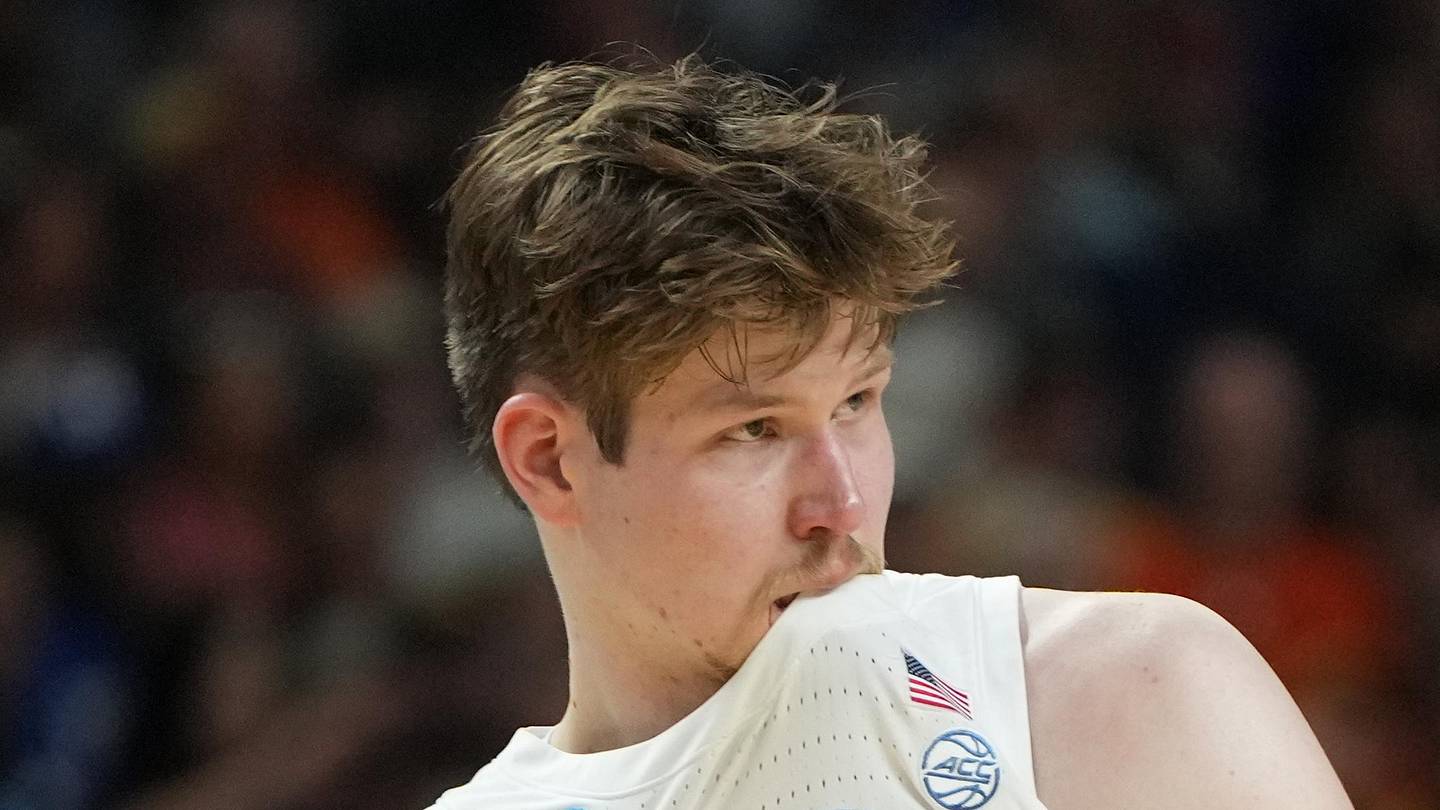
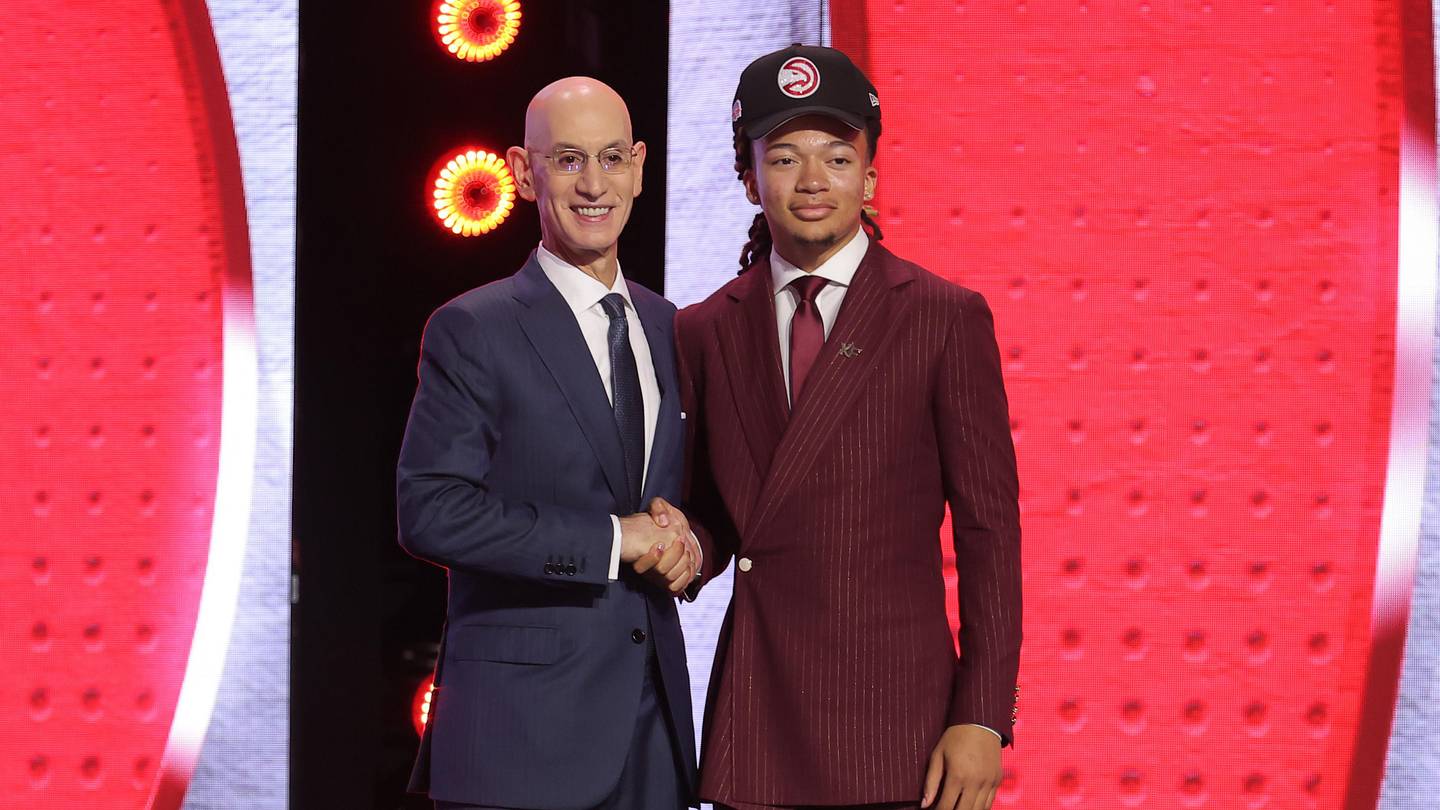
The Atlanta Hawks finished the 2026 draft by adding two promising big men, Zuby Ejiofor and Henri Veesaar. While the newcomers bring fresh talent, the front office is also looking for a veteran presence that can anchor the paint and allow the rookies to develop without shouldering the entire load.
Missi is a rebounding specialist who excels in interior defense and can finish pick-and-roll actions without relying on a jump shot. The New Orleans Pelicans, who recently gave up a meaningful asset to acquire Derik Queen, may view Missi as expendable, especially after finding his fit with Zion Williamson suboptimal. His ability to secure boards and protect the rim would plug a glaring need for the Hawks.
Jaden Gafford offers a different skill set. He boasts a career field-goal percentage of 70.2 percent, a figure inflated by a high volume of dunks, making him one of the most efficient pick-and-roll finishers in the league. Defensively, he is more polished than Missi, but his durability raises concerns; he failed to reach the 60-game mark in each of the past two seasons, suggesting an injury-prone profile. If the Dallas Mavericks are motivated to move his contract, the Hawks could acquire a high-efficiency finisher at a discount.
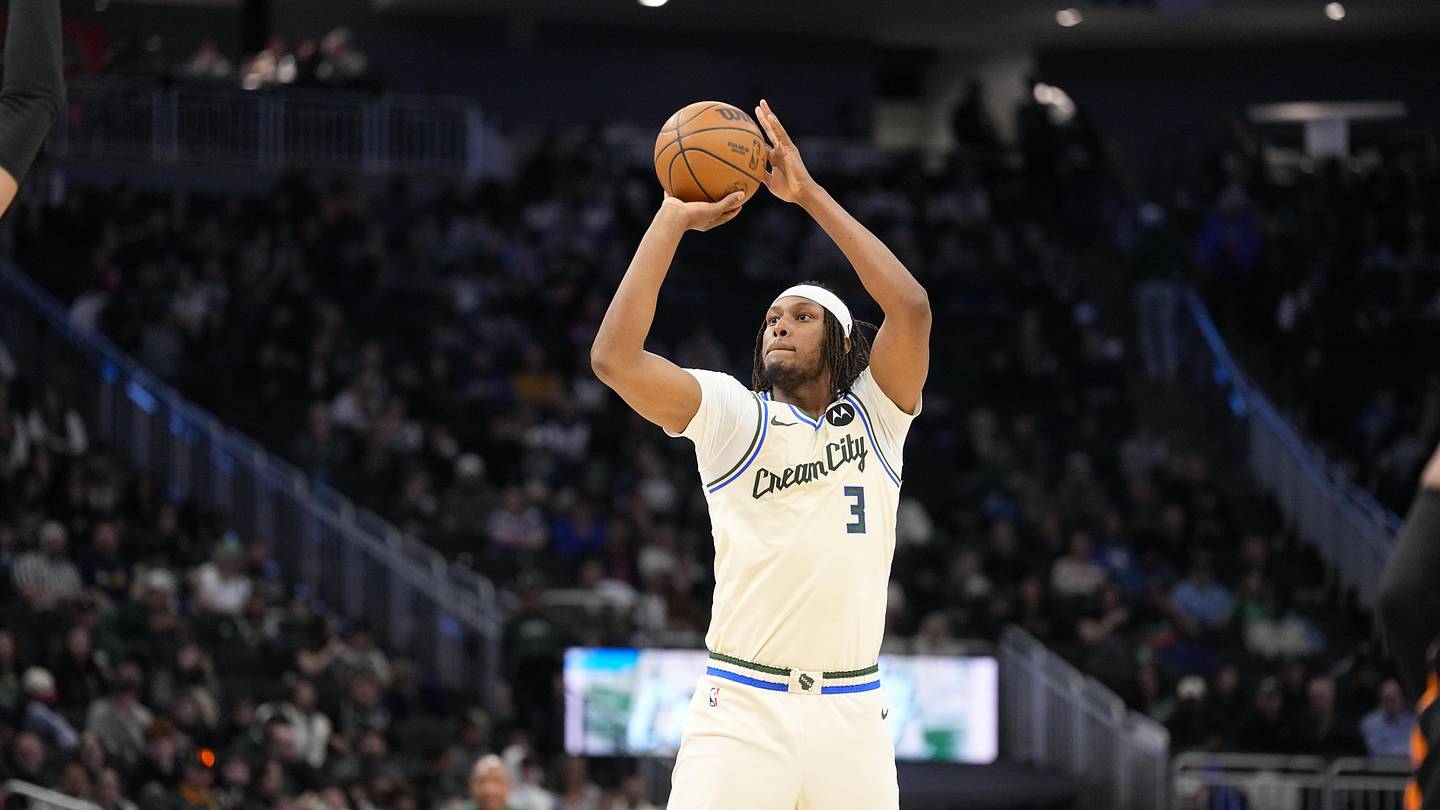
Veteran Daniel Turner brings a blend of floor spacing and rim protection that few big men possess. Known for his three-point shooting from the five position, Turner has long been regarded as one of the league’s best shooting bigs. Although his defensive reputation slipped this year, a change of scenery from Milwaukee, where he appeared disengaged on a struggling team, could reignite his impact. In Atlanta, Turner would provide a reliable shooter and a protector of the paint, complementing the young draft picks.
Strategically, each target aligns with the Hawks’ win-now timeline. Missi would add gritty interior toughness, allowing the rookies to focus on skill development. Gafford’s pick-and-roll efficiency could boost offensive flow, provided a reliable backup mitigates his injury risk. Turner’s shooting stretches the floor, opening driving lanes for Atlanta’s guards while his rim-guarding instincts add a defensive anchor. Together, these options give the Hawks flexibility to shape a frontcourt that balances immediate production with long-term growth.
The decisions made in the coming weeks will determine whether Atlanta remains a playoff contender or slides toward a rebuild. By weighing the trade-off between veteran stability and the development curve of their recent draftees, the Hawks can chart a path that keeps them competitive while nurturing the next generation of talent.
 Atlanta Hawks