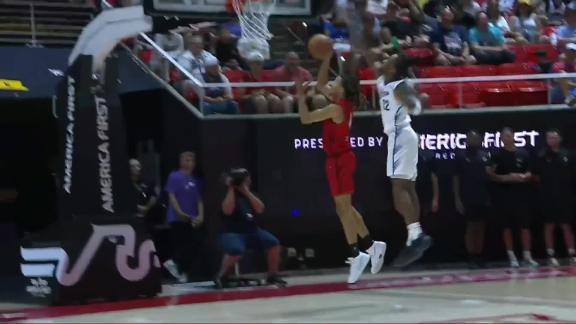
The Hawks entered the offseason with most of their free-agent core under contract and three rookie signings on board. Those moves left the summer roster at 16 players, one more than the 15-player limit that must be met when the regular season begins. The league permits up to 20 players during the summer, so the Hawks have already trimmed the roster by four spots. If the club decides to bring back Jonathan Kuminga, it will need to clear at least two additional contracts before opening night.
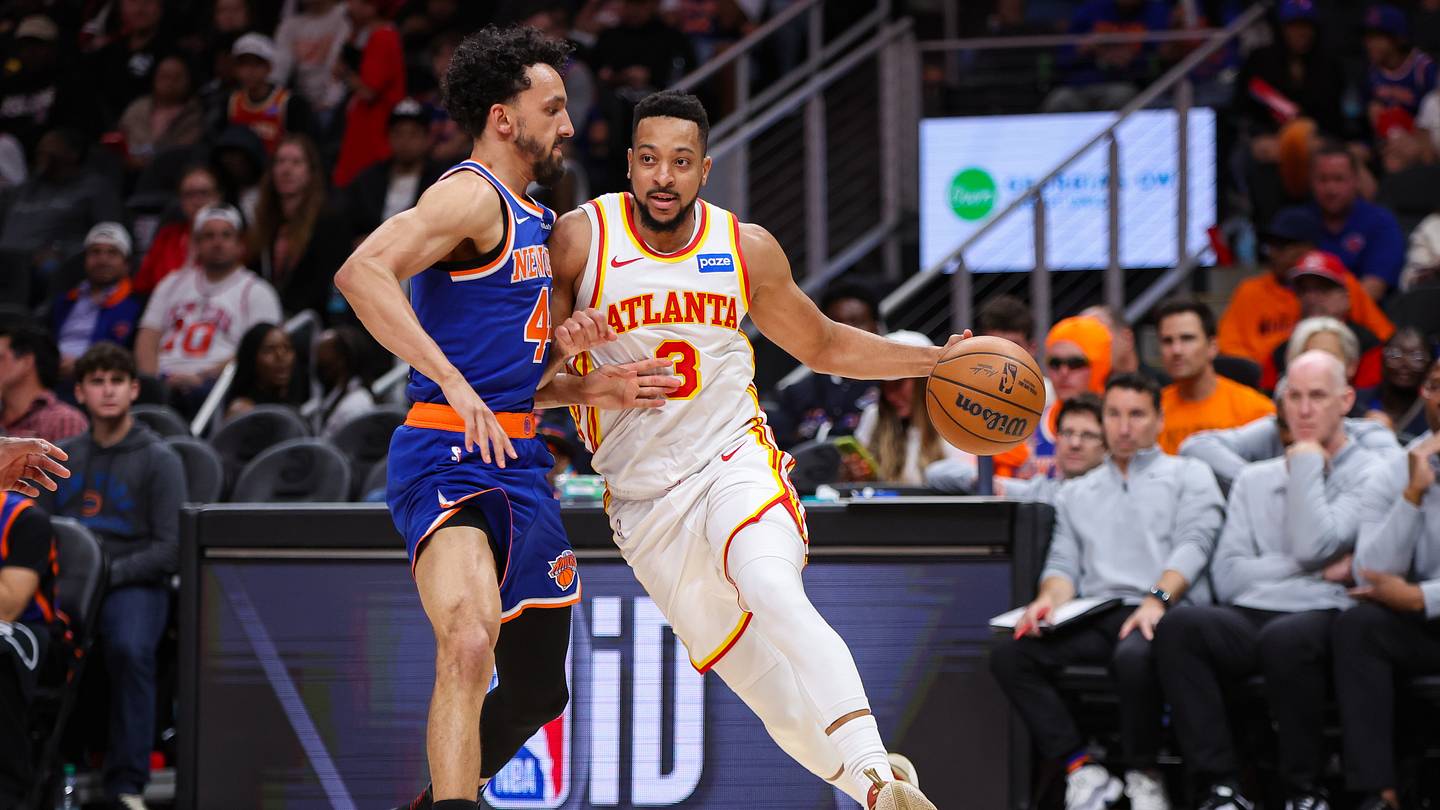
At the heart of that roster is the starting five that carried Atlanta through the final stretch of last season. CJ McCollum will line up beside Nickeil Alexander-Walker, Dyson Daniels, Jalen Johnson and Onyeka Okongwu. The combination produced one of the league’s best lineups over the last 25 games, a period in which the Hawks surged up the Eastern Conference standings. Keeping that core intact gives the team a proven chemistry to build on.
While several Eastern clubs have pursued high-profile trades to reshape their rosters, Atlanta has taken a quieter route. The front office focused on retaining the existing core, adding draft capital, and making opportunistic moves with teams looking to shed salary. This approach mirrors the broader trend of teams that prefer roster stability over headline-grabbing signings, especially when salary flexibility is at a premium.
The next decisions revolve around the final roster cut. The Hawks must either waive a fringe player or negotiate a trade that adds a complementary piece. The choice will hinge on how the coaching staff values depth versus the upside of the incoming rookies. Should Kuminga return, the need to move two players will force a tougher evaluation of which veterans can be sacrificed without compromising the line-up’s defensive versatility and spacing.
If Atlanta can preserve the core that fueled its late-season surge while integrating the three rookies without overloading the salary sheet, the team positions itself as a sleeper contender in a competitive Eastern Conference. The offseason strategy underscores disciplined roster management; the Hawks are betting that continuity and incremental development will translate into sustained success rather than relying on blockbuster deals.
 Atlanta Hawks