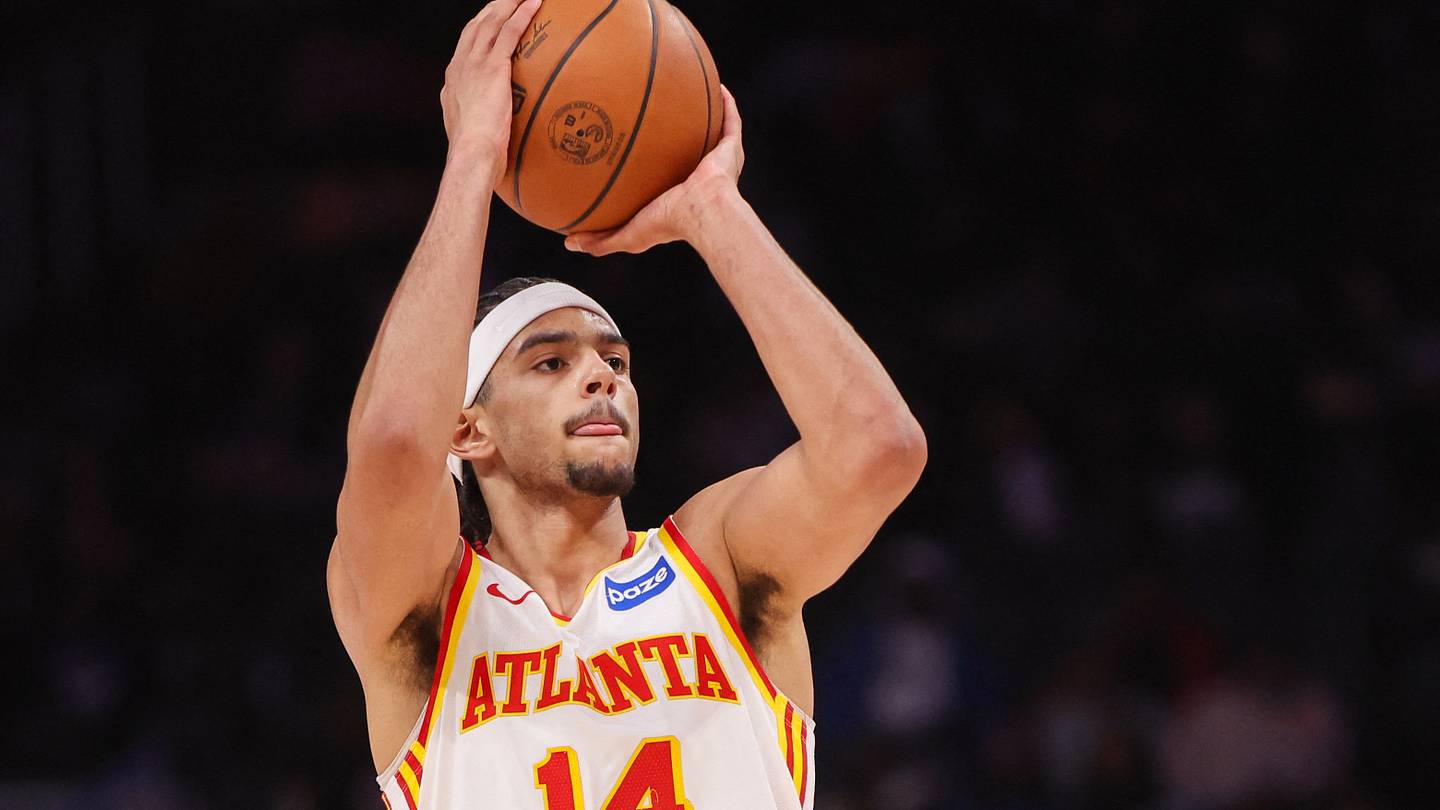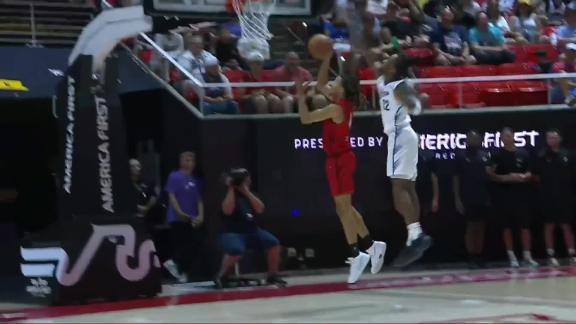
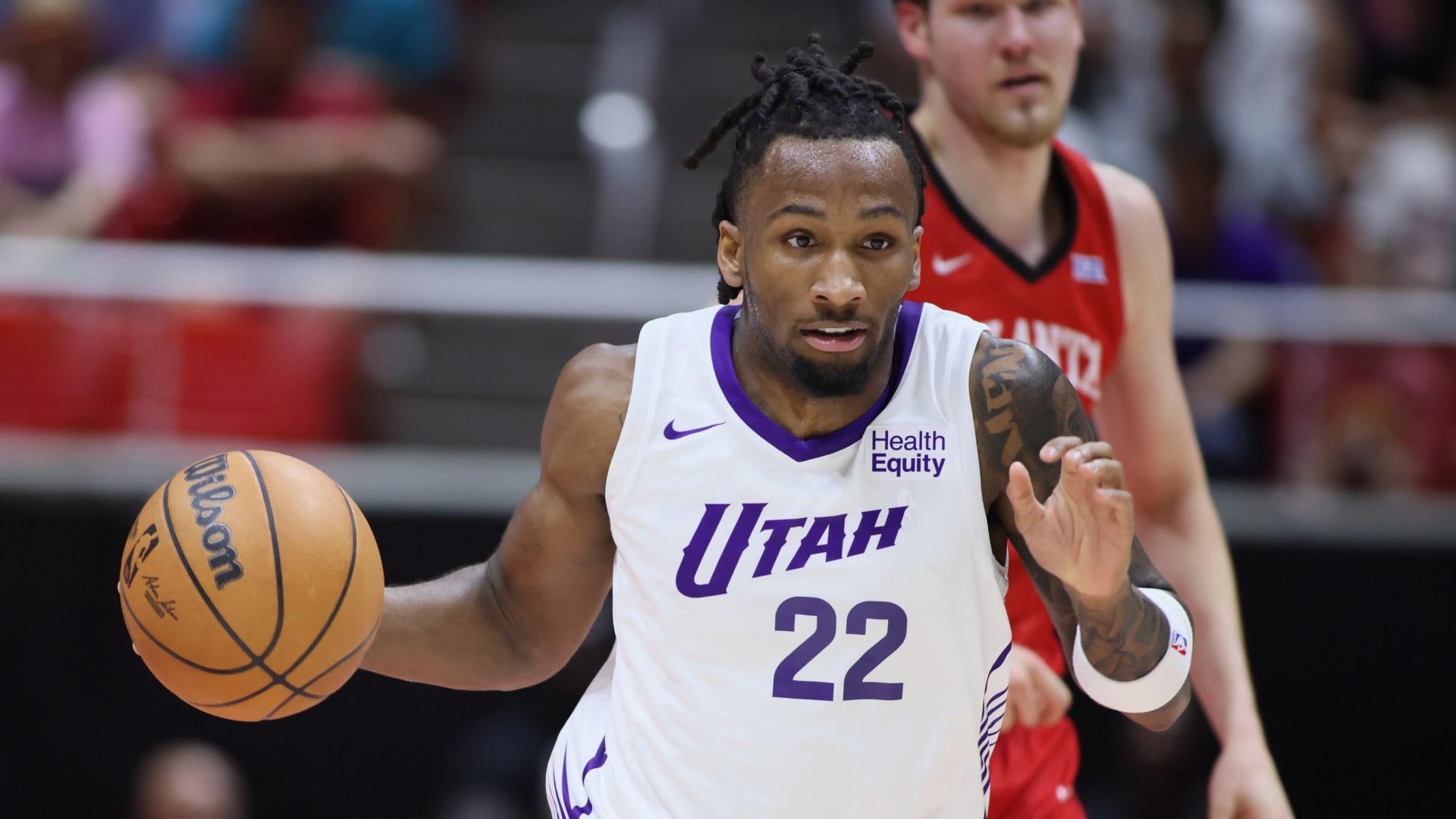
Darryn Peterson delivered a decisive defensive play in the final minutes of Tuesday's matchup, swatting away an Atlanta Hawks three-point attempt. The timing of the block forced the ball out of the Hawks' hands and gave his team an opportunity to regain possession and protect a narrow lead. The play stood out as the defining moment of a tightly contested game.
Peterson's emergence as a rim protector is notable for a wing player whose primary role is often perimeter defense. His length and quickness allow him to contest shots at the basket without sacrificing his ability to stay with guards on the perimeter. The block against Atlanta highlighted how his skill set adds a layer of insurance for a team that values defensive flexibility.
The Hawks' offensive scheme leans heavily on long-range shooting, making any denial of a three-point try especially valuable. By altering that attempt, Peterson disrupted the flow of the Hawks' offense and forced them to reset. The defensive shift underscores a broader league trend where teams prize players who can guard multiple positions and still contribute to rim protection.
Beyond the immediate impact, the block reinforces the growing importance of non-traditional shot-blockers in the NBA. Coaches increasingly look for wing players who can provide help defense, allowing them to keep larger post players on the floor without exposing the paint. Peterson's play serves as a practical example of that strategic shift, illustrating how a single defensive snap can influence game tempo and opponent decision-making.
Looking ahead, the team will aim to replicate that intensity against upcoming opponents who also rely on perimeter firepower. If Peterson continues to translate his instincts into timely stops, his role in late-game scenarios is likely to expand. Maintaining that level of defensive focus could prove pivotal as the regular season progresses toward the playoff race.
 Atlanta Hawks