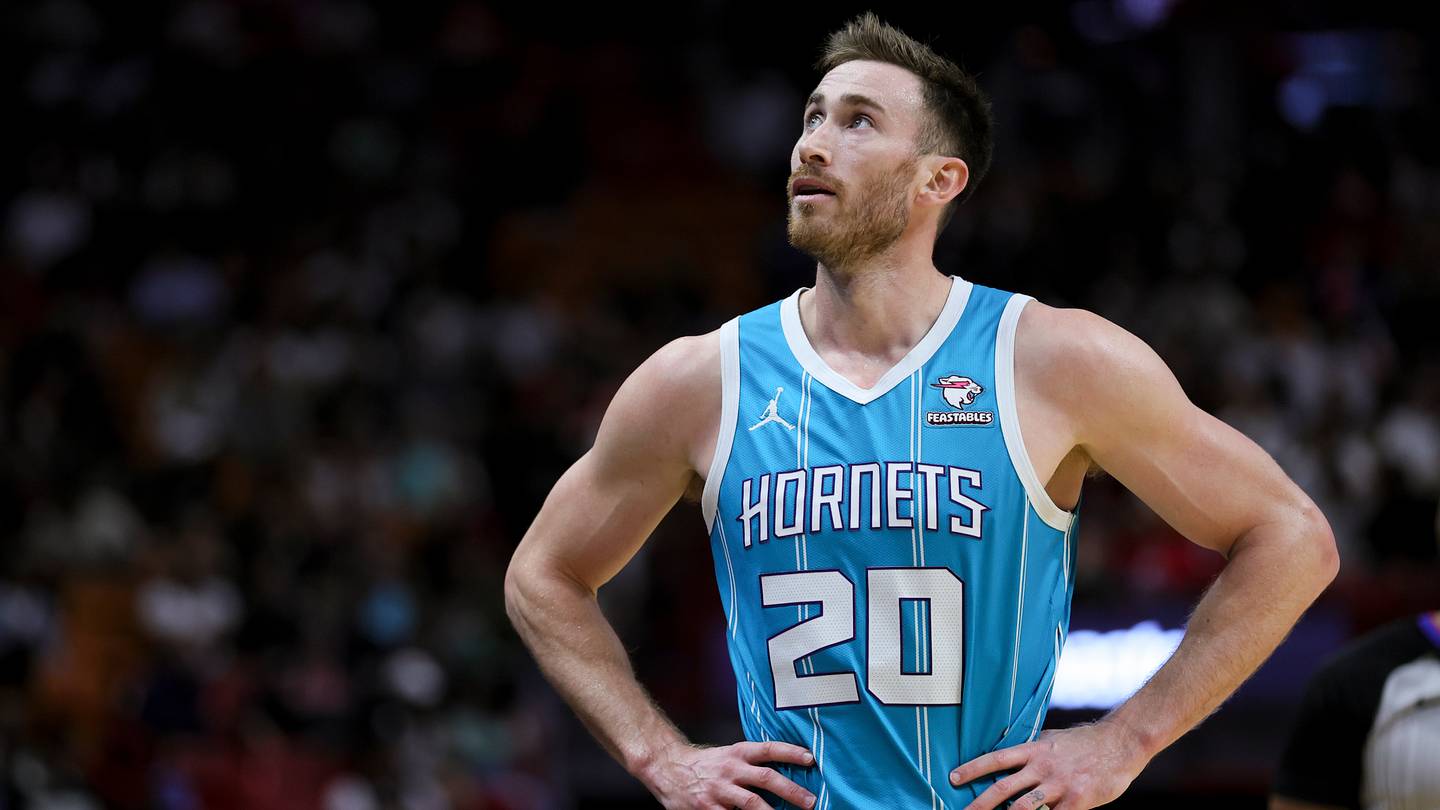
The Charlotte Hornets completed a three-team trade on Friday, bringing veteran wing Dorian Finney-Smith from the Houston Rockets and adding second-round picks in the 2027, 2028 and 2033 drafts. In return, Houston received the contract and cleared salary space, a move that dovetails with its recent sign-and-trade activity involving guard Marcus Smart.
Finney-Smith posted modest numbers in Houston last season, averaging 3.3 points, 2.5 rebounds and one assist on 33.3 percent shooting across 37 games. The ten-year pro entered the league undrafted and has logged minutes with the Dallas Mavericks, Brooklyn Nets and Los Angeles Lakers. He is under a four-year, $52.7 million contract; the final two years are non-guaranteed, with a player option for the 2028-29 season, and a $13.3 million salary slated for 2026-27.
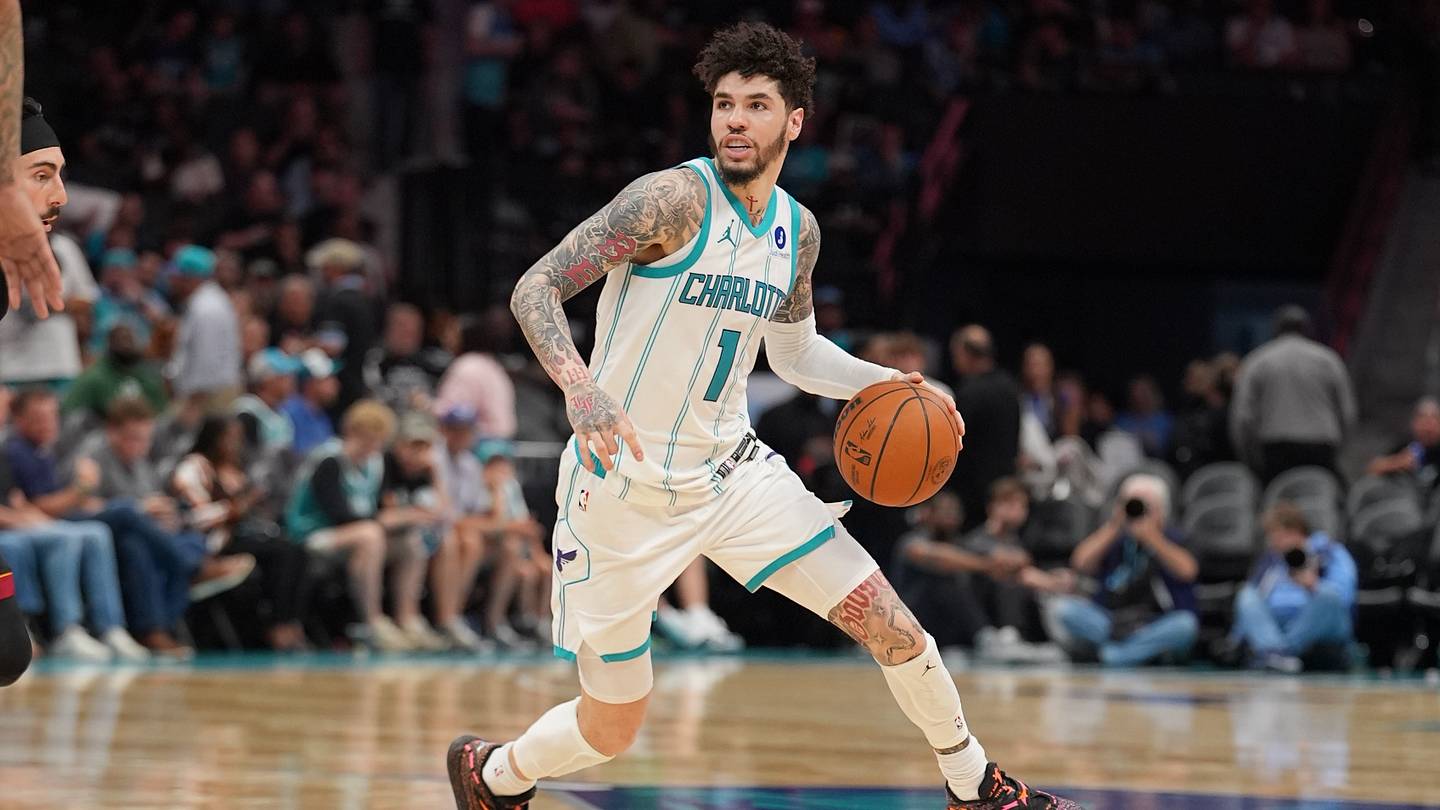
Charlotte will absorb part of its $15 million non-taxpayer mid-level exception to sign Finney-Smith. The maneuver follows the recent trades of LaMelo Ball and Miles Bridges, which removed a combined $64 million of guaranteed salary from the Hornets’ books. By freeing that cap space, the team can retain core pieces while adding a defensive specialist without exceeding the luxury-tax threshold.
The addition of Finney-Smith pushes the Hornets’ roster to 17 players on standard contracts. When the three two-way slots are filled, the total climbs to 20, leaving only one standard-contract spot available before training camp. Because the NBA permits only 15 standard contracts during the regular season, the front office will need to decide which fringe players to retain, convert, or move.
With the new picks, Charlotte now owns seven first-rounders and 13 second-round selections through the 2031 draft. The three extra second-rounders acquired in this deal give the Hornets additional flexibility to scout, develop, or package draft assets in future trades. The depth of the Hornets’ draft hoard positions the franchise among the league’s most loaded collections of future talent.
Strategically, the trade signals a continued shift toward a rebuild anchored in draft capital rather than short-term star contracts. By pairing Finney-Smith’s veteran presence with a growing stockpile of picks, Charlotte can maintain competitive balance while targeting young, high-upside prospects in upcoming drafts. How the organization leverages this expanded draft cache will shape its trajectory over the next decade.

 Charlotte Hornets