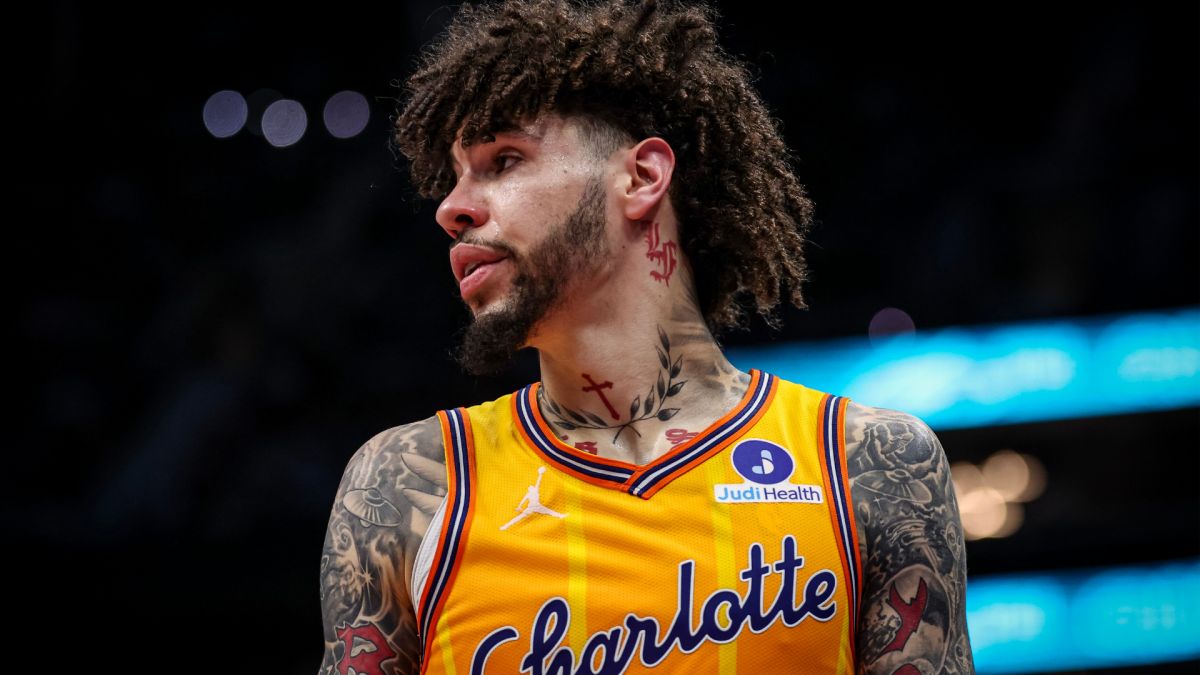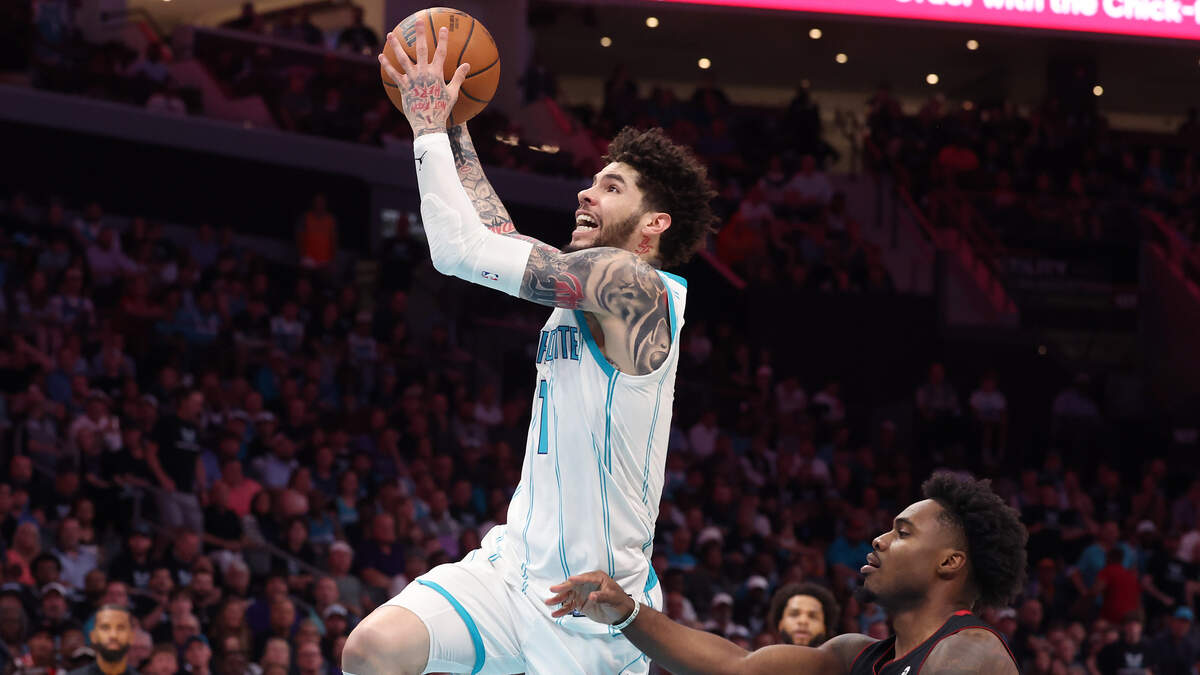
The departure of LaMelo Ball to the Minnesota Timberwolves signaled a definitive shift in the direction of the Charlotte Hornets. For a franchise that has often lingered in the middle of the Eastern Conference standings, the move represented a clearing of the books and a reset of the organizational timeline.
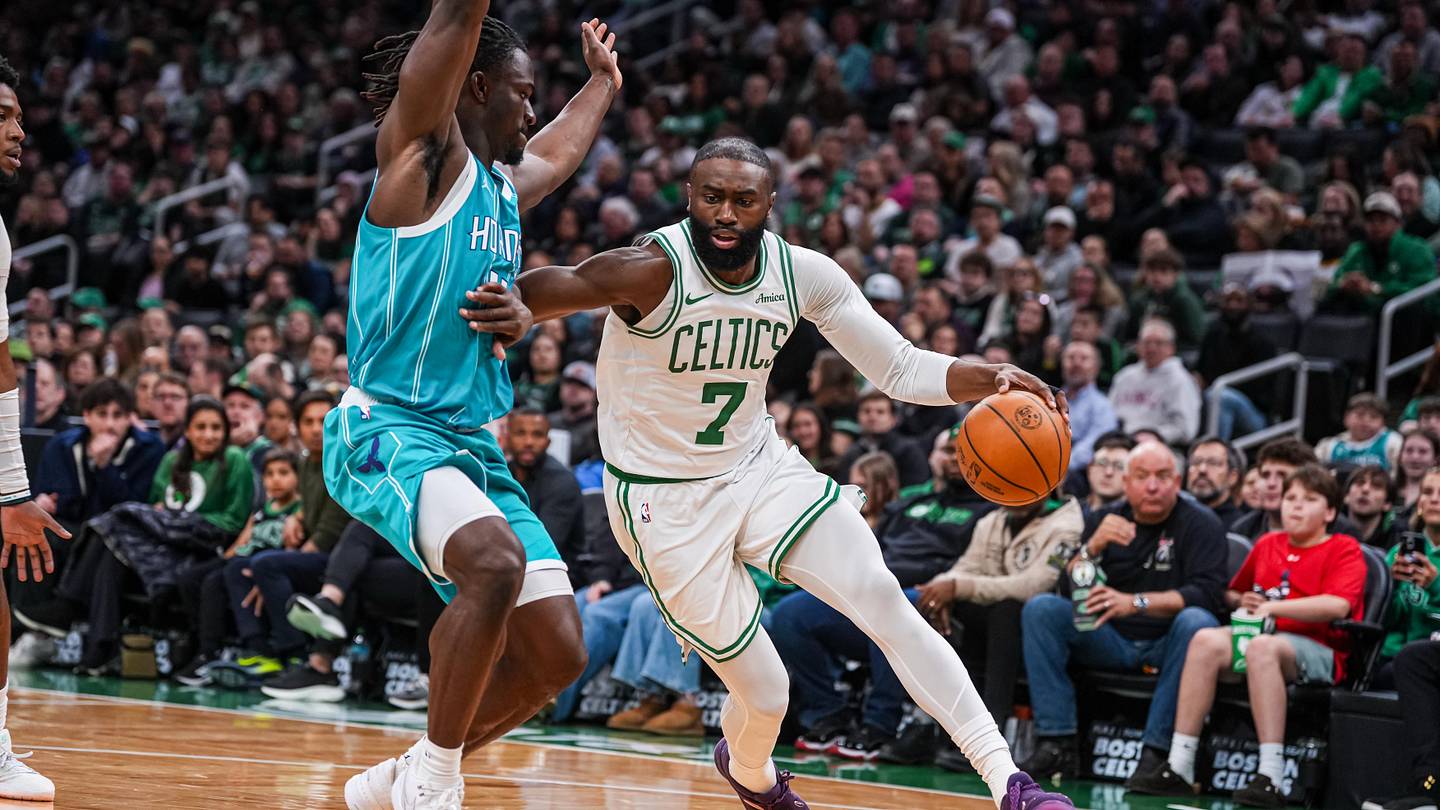
In the immediate wake of that transaction, speculation began to swirl regarding how executive vice president of basketball operations Jeff Peterson would utilize his newfound flexibility. The name at the center of that speculation was Boston Celtics wing Jaylen Brown.
Oddsmakers quickly identified Charlotte as a primary landing spot for the reigning Finals MVP. The logic seemed straightforward on the surface because a team that just moved its franchise point guard often looks for a new centerpiece to stabilize the roster.
However, the connection between the player and the city appears to be more a product of external projection than internal planning. Recent reporting indicates that the front office is prioritizing a different path for the team development.
According to NBA insiders Jake Fischer and Marc Stein, the Hornets are not actively pursuing a trade for Brown at this time. While the idea generated significant traction in the gambling markets and among fans, the reality of the transaction presents several structural hurdles.
The internal consensus on the potential fit has been described as clunky, a term that highlights the mismatch between Brown’s game and the current roster construction in Charlotte.
To facilitate a trade of this magnitude, the Celtics would almost certainly demand Brandon Miller as the centerpiece of the return package. Miller represents the most valuable long-term asset currently on the Hornets roster.
Relinquishing a young wing with his specific two-way upside for a veteran on a supermax contract would run counter to the patient approach Peterson has signaled since taking over the front office. If Miller were to be included, the Hornets would essentially be swapping one timeline for another without necessarily improving their ceiling.
If the Hornets somehow managed to acquire Brown while retaining Miller, the resulting lineup would create a different set of problems. A starting five featuring Coby White, Kon Knueppel, Miller, Brown, and Moussa Diabaté would be undersized and offensively redundant.
This configuration lacks the traditional rim protection needed to survive in the Eastern Conference. It also forces players into roles that do not maximize their natural strengths on the perimeter.
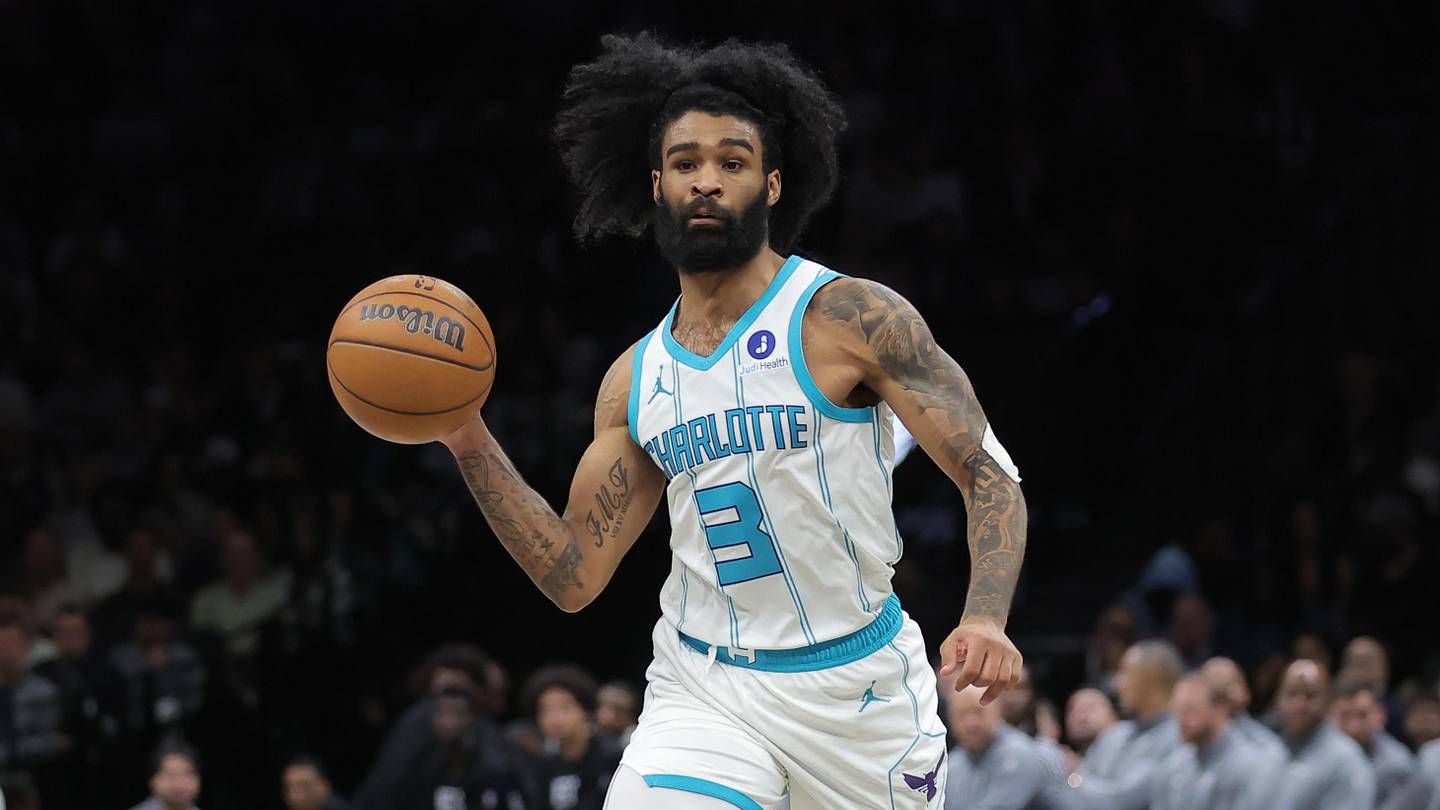
Coby White has shown significant growth as a lead guard, but his effectiveness relies on having clear lanes to the basket and secondary creators who can punish defenses for collapsing. Brown is a high-usage player who requires the ball in his hands to be most effective.
While he successfully shared those duties with Jayson Tatum in Boston, the dynamics in Charlotte would be vastly different. Without a superstar of Tatum’s caliber to draw defensive gravity, Brown would face a much heavier burden as a primary creator.
Kon Knueppel provides valuable floor spacing as a catch-and-shoot threat, but he is not a player who generates his own offense or creates for others at a high level. In a lineup with Brown and White, Knueppel would likely be relegated to a stationary role that limits his development.
The lack of elite playmaking in this hypothetical group is a glaring issue. Brown has improved his passing, but he has never been a traditional floor general who organizes an offense for forty-eight minutes.
There is also the matter of defensive versatility and size. Moussa Diabaté is an energetic big man, but asking him to anchor the defense for a small-ball unit featuring three perimeter players who all want the ball is a difficult proposition.
The Hornets would struggle to rebound against the elite frontcourts of the league. This roster construction would likely result in a high-scoring but inefficient team that lacks the defensive identity necessary to compete for a playoff spot.
Management appears to be focusing on the long-term value of their current salary slots and draft capital. Entering the Jaylen Brown sweepstakes would require the Hornets to exhaust their leverage and future trade value for a single player.
In the current NBA landscape, maintaining flexibility is often more valuable than making a lateral move for an expensive star. The team is currently in a position to let their young core grow together without the pressure of an immediate win-now mandate.
This restraint is notable given the activity elsewhere in the league. Reports have suggested that the Celtics have explored various options for Brown, including potential packages involving Giannis Antetokounmpo or trade discussions with the Timberwolves for Rudy Gobert and Naz Reid.
Even the LA Clippers have been linked to Brown in scenarios that would involve moving Kawhi Leonard. In such a competitive market, the price for Brown is likely higher than what the Hornets are willing to pay at this stage of their rebuild.
Jeff Peterson is tasked with building a sustainable winner, which requires a disciplined approach to asset management. Bringing in a player like Brown would certainly sell tickets and increase the team profile, but it might not translate to a coherent basketball product on the floor.
The organization seems to understand that a collection of talent is not the same thing as a functional team. They are prioritizing lineup fit and skill set synergy over the acquisition of big names for the sake of relevance.
By avoiding a pursuit of Brown, the Hornets are allowing Brandon Miller and Coby White the space to establish themselves as the leaders of the next era. Miller, in particular, benefits from having the ball in his hands and learning how to navigate the responsibilities of being a primary option. Adding Brown would immediately cap Miller’s offensive opportunities and potentially stunt his growth during these critical developmental years.
There is also the financial reality of Brown’s contract to consider. Committing a massive percentage of the salary cap to one player requires the rest of the roster to be filled with high-value rookie contracts or veteran minimums.
The Hornets are still in the process of identifying which of their young players are worth long-term investments. Locking themselves into a supermax salary now would limit their ability to retain talent or make smaller, more tactical trades in the future.
For now, the chatter regarding Brown to Charlotte remains a hypothetical exercise rather than a looming reality. The reporting from Fischer and Stein serves as a correction to the narrative that the Hornets are desperate to make a splash after the Ball trade. Instead, the front office is signaling that they are comfortable with a slow build. They are looking for the right pieces rather than the most famous ones.
The decision to stay out of the Brown sweepstakes reflects a growing trend of front office patience in smaller markets. Rather than overpaying for a star who might not fit the existing culture or scheme, the Hornets are betting on their ability to draft and develop.
This strategy carries its own risks, but it avoids the potential disaster of a clunky, expensive roster that lacks a clear path to improvement. The focus remains on the group currently in the building and the draft picks yet to come.
Ultimately, the Hornets are positioning themselves to be a player in the trade market when the right opportunity arises, not just the first one that becomes available. If they continue to develop Miller and White while maintaining their cap flexibility, they will eventually be able to target a star who fits their specific needs.
For a franchise that has often been criticized for short-sighted moves, this newfound discipline is a significant change in philosophy. The choice to pass on Jaylen Brown suggests that the front office is more interested in the final product than the initial headline.
 Charlotte Hornets