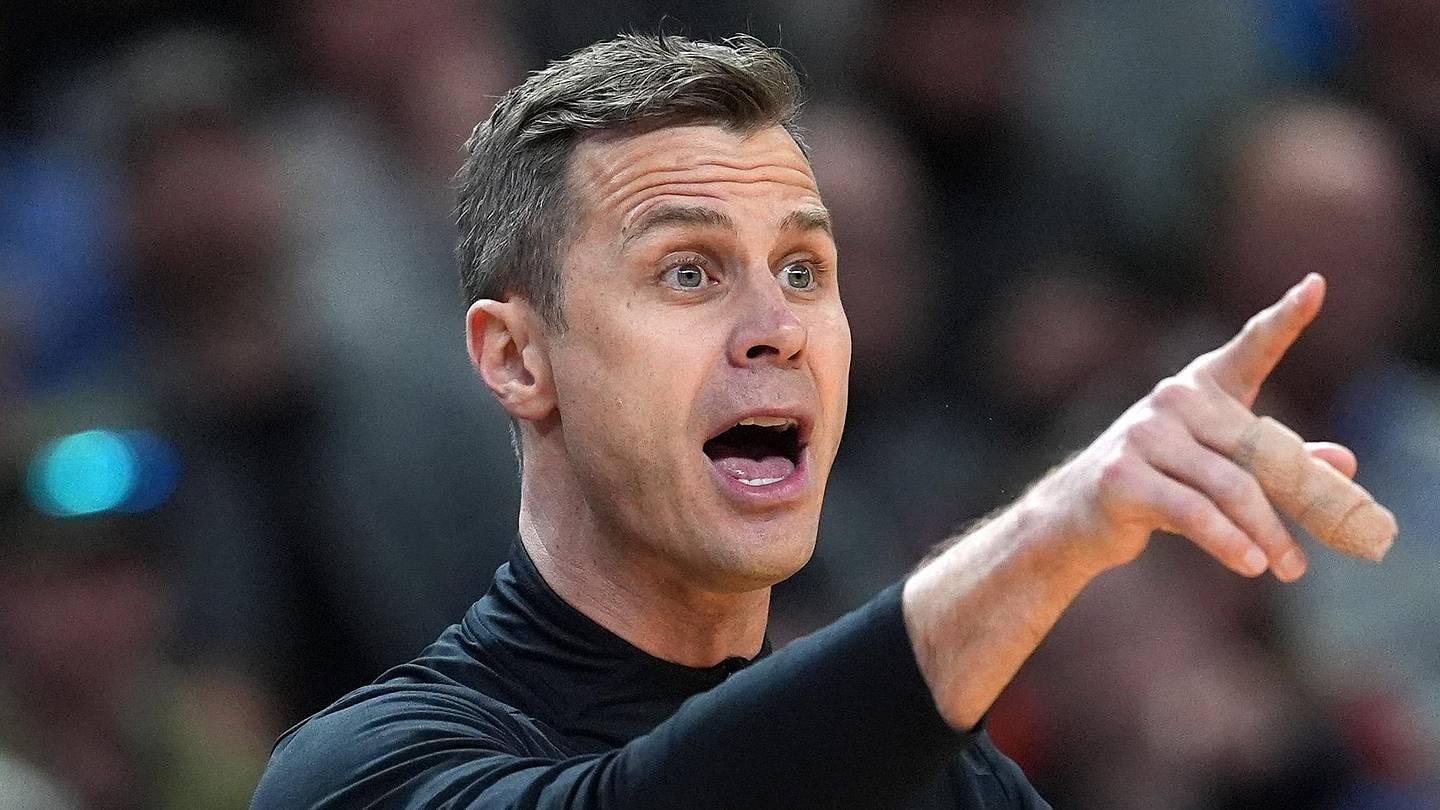
The NBA’s calendar is about to hit its most active stretch. With the 2026 draft only a week and a half away and free agency set to open shortly thereafter, teams are already mapping out moves to stay under the tax apron while improving rosters. Dallas entered the season with its newest president, Masai Ujiri, after a campaign that ranks among the franchise’s poorest since the turn of the millennium. Ujiri’s track record of fielding competitive teams adds urgency to the Mavericks’ roster decisions.
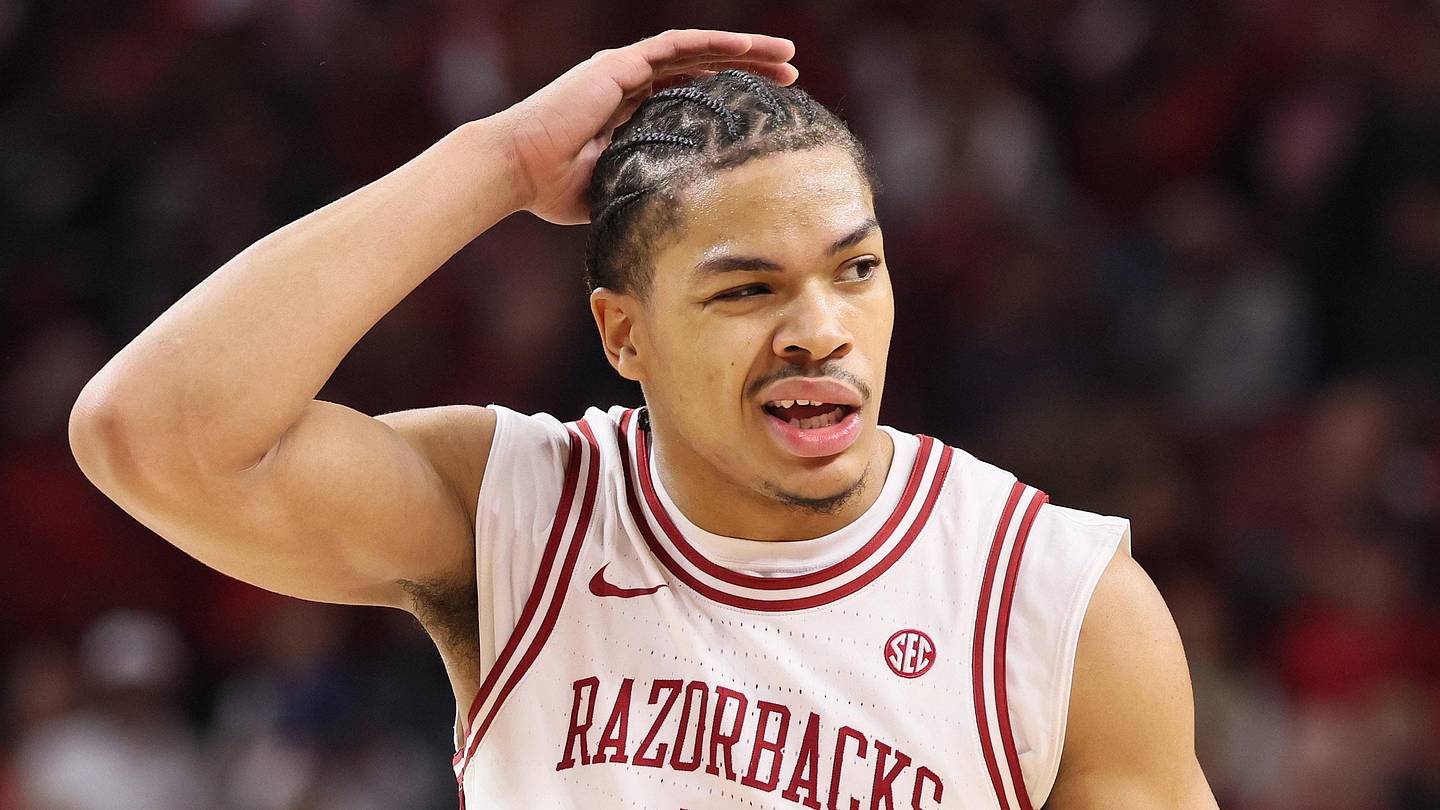
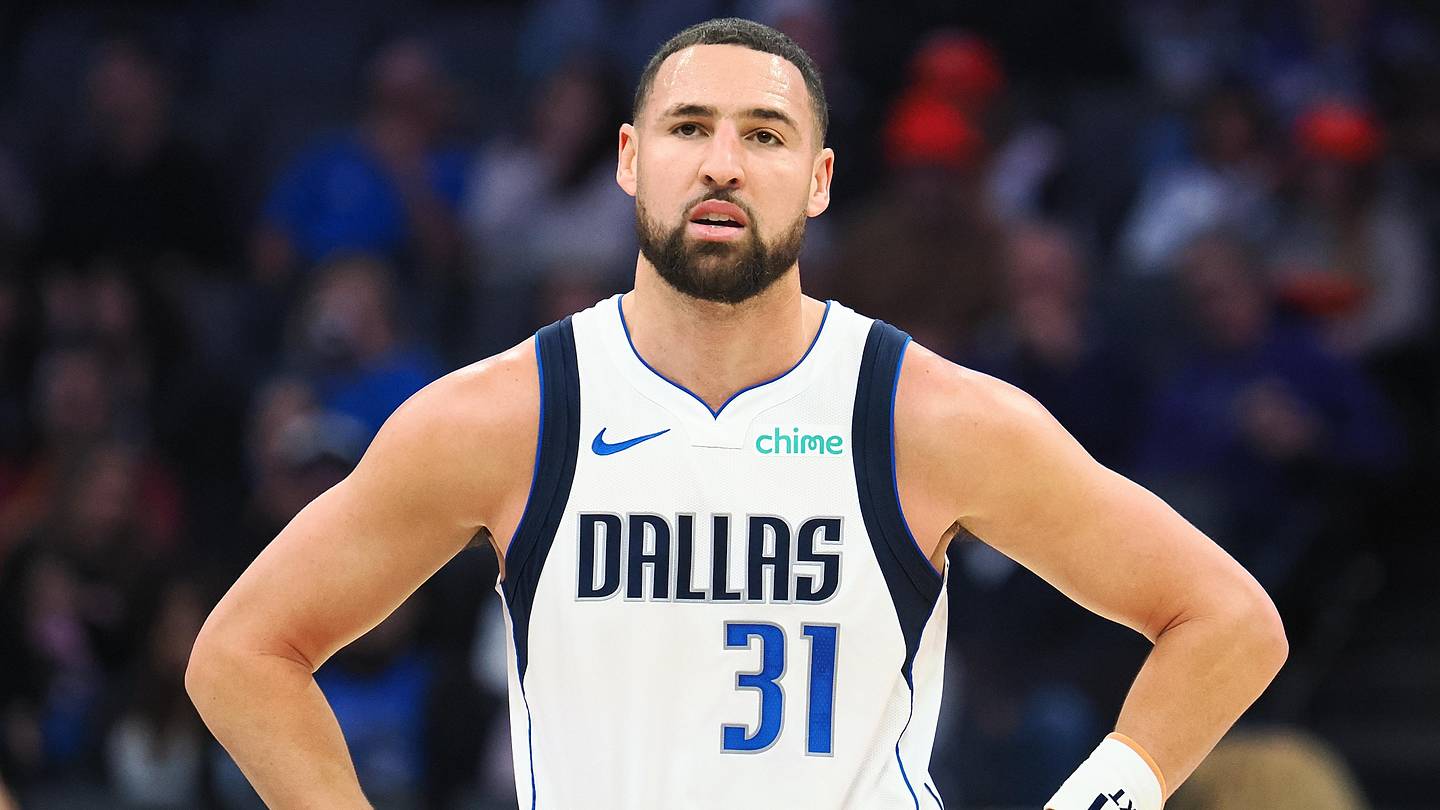
Insider Marc Stein identified three veterans the Mavericks appear ready to move: shooting guard Klay Thompson, forward P.J. Washington and big man Daniel Gafford. All three are tied to sizable contracts that sit well above the league’s median salary. Thompson is heading into the final year of his current deal, worth $17.5 million in the 2026-27 season. Gafford is in the first year of a three-year, $54 million extension, while Washington begins the first year of a four-year, $88 million pact.
The differing contract structures shape each player’s trade value. An expiring $17.5 million deal makes Thompson a rare, high-value asset for clubs seeking cap flexibility next summer. By contrast, Gafford’s and Washington’s long-term, high-salary extensions limit the Mavericks’ ability to add additional luxury-tax-heavy pieces without exceeding the apron. Consequently, shedding one or more of these contracts could free significant space for free-agent signings or future extensions.
Ujiri’s résumé in Toronto demonstrated a willingness to exchange established talent for draft capital, a playbook he seems poised to apply in Dallas. The Mavericks’ recent slide has turned the franchise into a buyer on draft night rather than a seller of talent, meaning a trade that brings back picks or flexible salary could align with the front office’s long-term vision.
The next two weeks will be decisive. As the draft lottery approaches, potential partners, ranging from mid-tier contenders to rebuilders, will evaluate the Mavericks’ veteran depth against their own cap situations. If a deal materializes before the draft, Dallas could walk away with additional picks and a leaner payroll, positioning the franchise to capitalize on its draft assets while staying under the tax apron. If no trade occurs, the Mavericks will likely retain at least one of the three, using the draft’s deep talent pool as a bridge to future flexibility.
 Dallas Mavericks