Lance Stephenson, the former Indiana Pacers guard known for his high-energy play, was at the center of a melee during a Big 3 matchup over the weekend. While representing Miami 305, Stephenson tackled Devin Ebanks on a drive to the basket and briefly held him in a headlock before swinging at Jordan Crawford of the L.A. Riot. The altercation drew an immediate ejection and set the tone for a game that quickly descended into a disciplinary showdown.
Big 3 commissioner Clyde Drexler responded by announcing one-game suspensions for Stephenson and his teammate Michael Beasley. Drexler emphasized that the league embraces physical play and trash talk, but made clear that fighting "will not be tolerated." The commissioner’s decision reflects the league’s effort to balance its entertainment-driven brand with a baseline of player safety and sportsmanship.
Ice Cube, the league’s founder, took to social media to apologize for the incident. He wrote, "Apologies to everybody watching the Miami 305 vs. LA riot on @CBS yesterday. We all wanted to see a great basketball game. That wasn’t it." The apology underscores the league’s sensitivity to its broadcast audience and the importance it places on presenting a product that is both competitive and respectful.
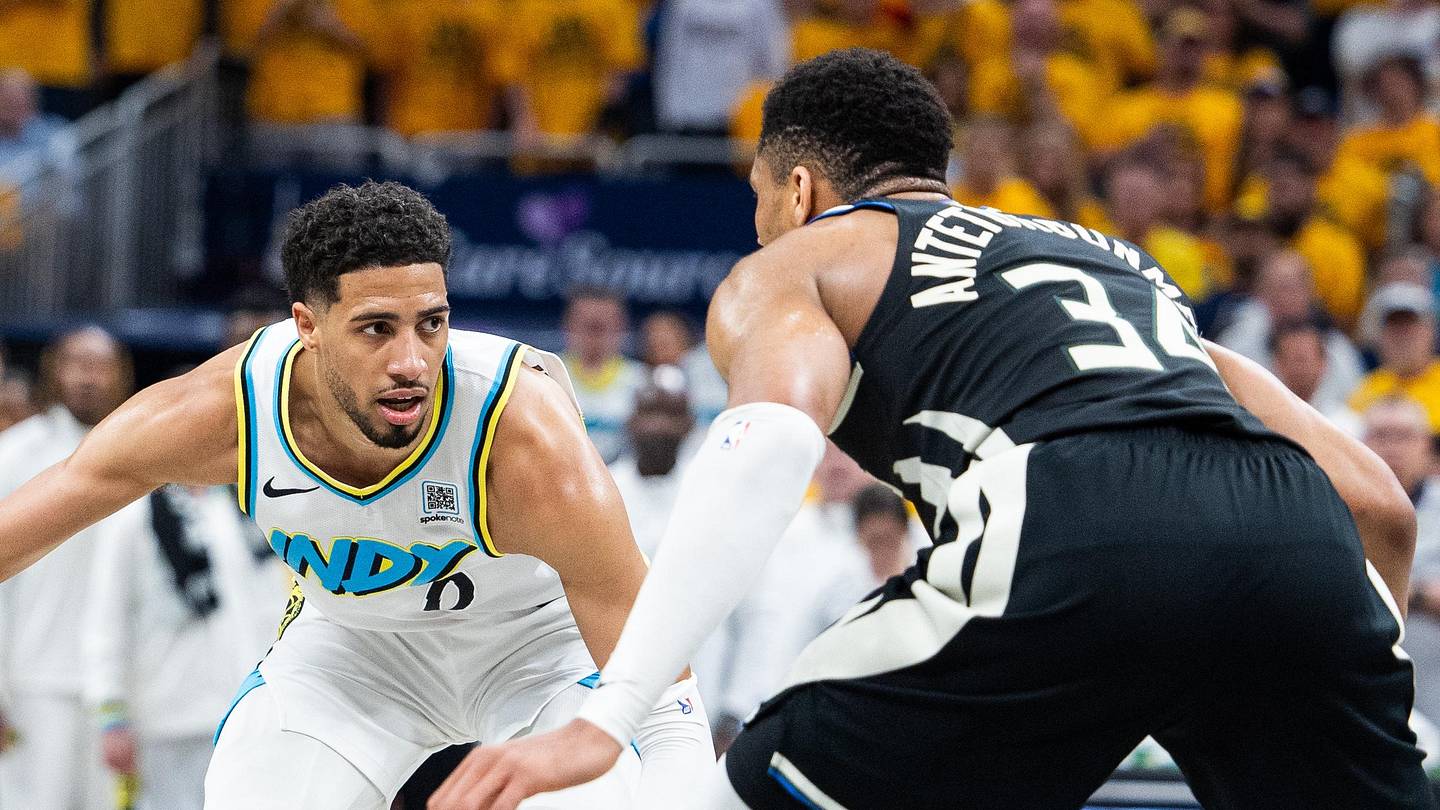
Stephenson’s reputation for on-court theatrics predates the Big 3. Over three stints spanning seven seasons with Indiana, he became known for firing up crowds, antagonizing opponents, and even strumming an air guitar after a bucket. One of his more infamous moments came in a playoff series when he blew in LeBron James’ ear, a gesture that highlighted his willingness to push the line of provocation. The recent fight adds another chapter to a career marked by both excitement and controversy.
The suspensions have immediate tactical implications for Miami 305. Losing two key contributors for a game forces the squad to rely on its bench depth and adjust rotations, a challenge in a league where roster spots are limited and each player’s versatility is paramount. The incident also serves as a litmus test for the Big 3’s policy enforcement; the league’s swift disciplinary action signals that future infractions will be met with comparable consequences, preserving the balance between aggressive play and the league’s broader reputation.
 Indiana Pacers