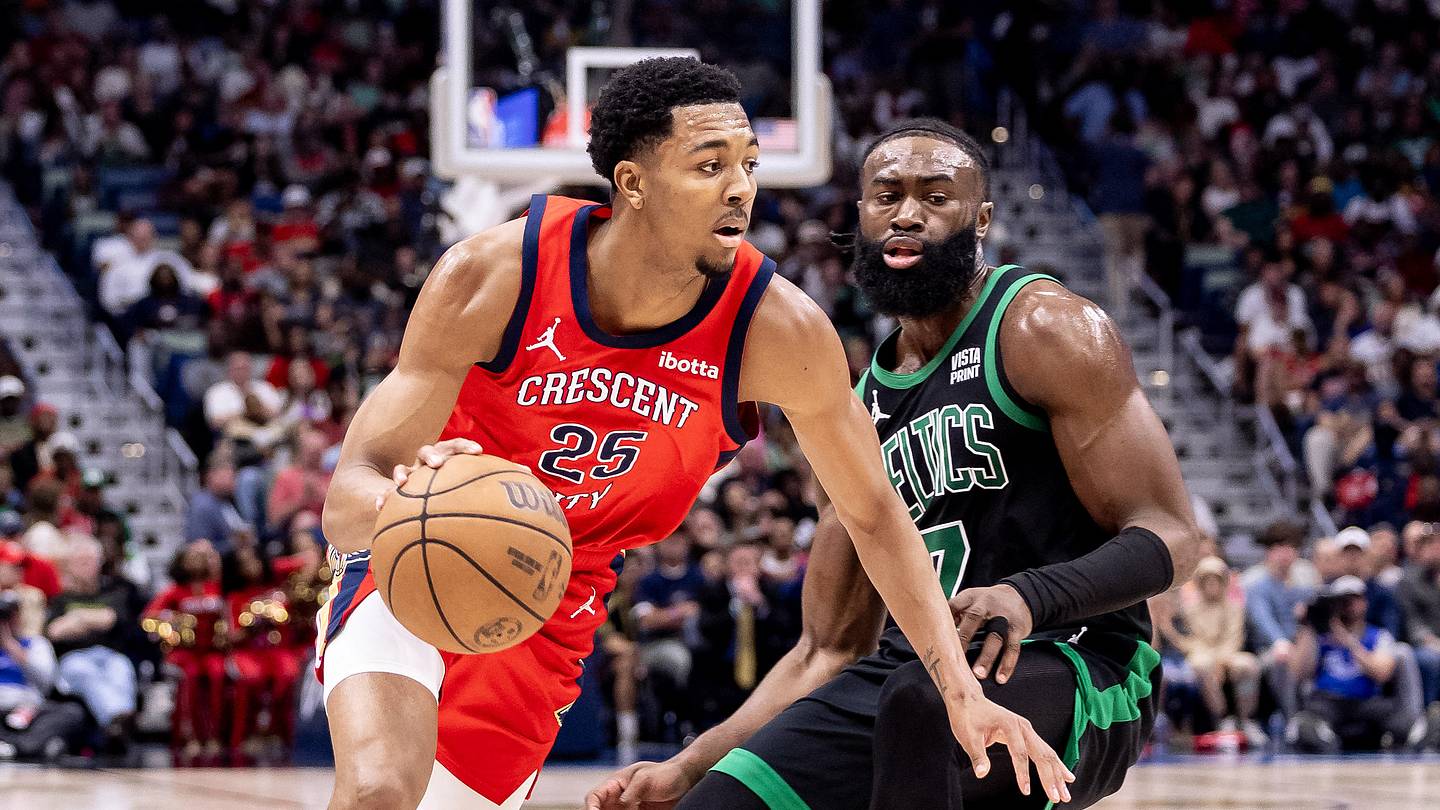
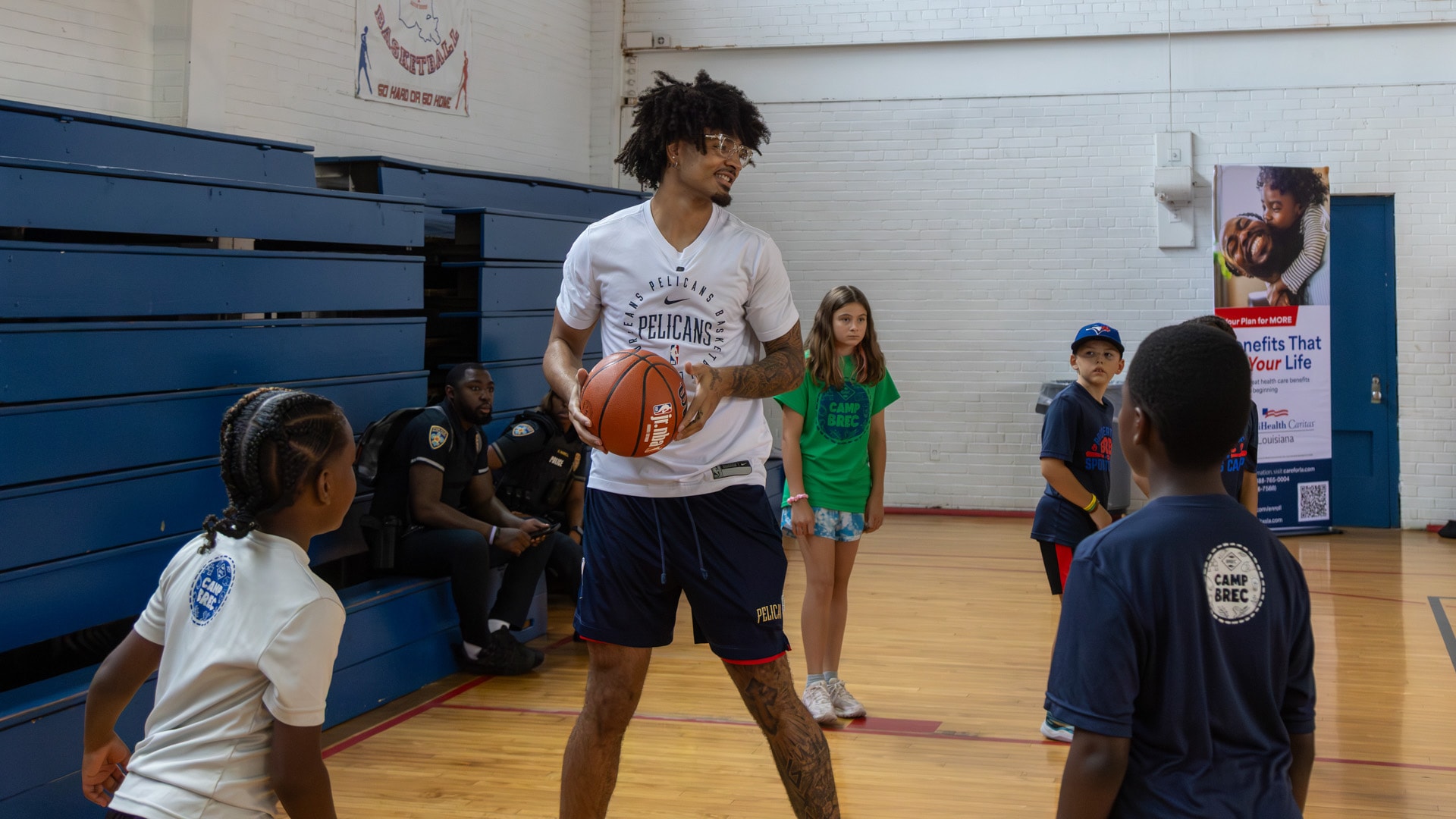
The New Orleans Pelicans have once again opted for a remarkably quiet offseason, a frustratingly familiar pattern for a franchise seemingly stuck in neutral. Despite back-to-back sub-30-win seasons, the most significant move has been the re-signing of 19-year veteran center DeAndre Jordan. Beyond that, the Pelicans' activity has been limited to drafting local guard Jaron Pierre Jr. at No. 58 overall. This inertia comes after hiring Jamahl Mosley as their new head coach, a move that many hoped would signal a significant shift in organizational philosophy.
Financially, the Pelicans are operating with approximately $10 million in remaining salary cap space, a figure that severely limits their ability to make impactful additions through free agency. The team has historically avoided paying the luxury tax and shows no signs of deviating from this course, further handcuffing executive vice president of basketball operations Joe Dumars. With Zion Williamson entering his eighth season in the league, and Dejounte Murray and Jordan Poole both making over $30 million apiece next season, the Pelicans' financial flexibility is severely constrained by their existing contracts. The team seems content to run it back yet again.
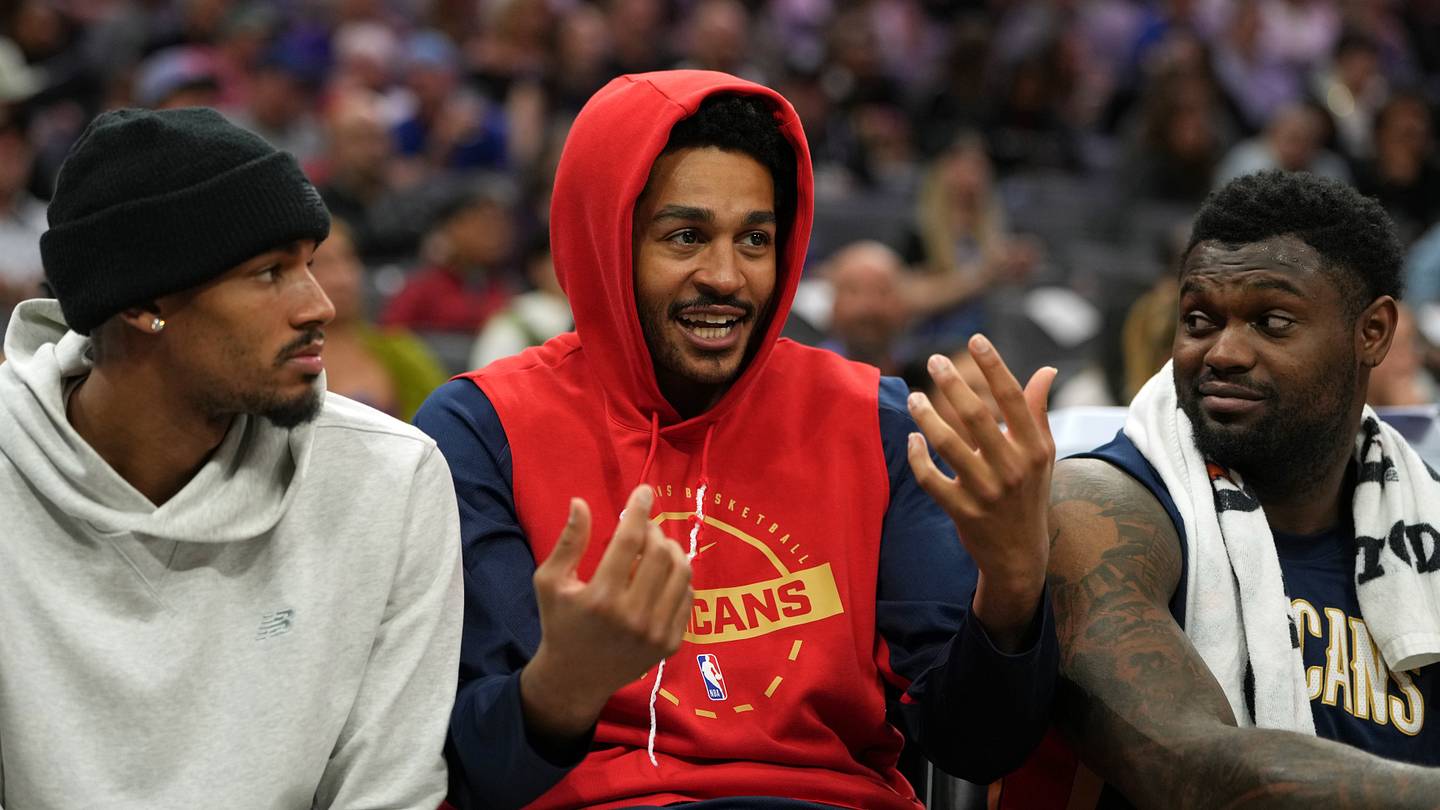
The decision to run it back with largely the same core, particularly the Williamson-Derik Queen frontcourt, is a perplexing one. Last season, the pairing of Dejounte Murray and Jordan Poole only logged a total of 10 minutes together, casting doubt about what the future of those two could be. Expecting Mosley to magically transform a roster with inherent positional redundancy and glaring skill set overlaps into a cohesive, winning unit without significant personnel changes is a tall order.
The broader context of this offseason reveals a front office that remains stubbornly committed to its established, and thus far unsuccessful, path. Dumars remained steadfast all summer that Williamson is firmly entrenched in the team's plans. This stance, coupled with the team's aversion to the luxury tax, paints a picture of an organization prioritizing financial prudence and continuity over aggressive roster construction. The acquisition of Derik Queen in last year's draft, which cost the Pelicans their 2026 first-round pick, was meant to inject young talent, but the lack of subsequent moves to optimize the roster around him and Williamson is concerning.
Looking ahead, the Pelicans are in a precarious position. Aside from the 37-year-old Jordan, Yves Missi is the only true center on the team. Many of the team's past struggles involved interior defense and rebounding, issues that have yet to be addressed this offseason. The hope appears to be that a healthy Zion Williamson and the continued development of young players like Derik Queen and Jeremiah Fears will somehow catalyze a turnaround. However, without a more coherent roster strategy, relying solely on internal improvement feels like a prayer rather than a plan.

 New Orleans Pelicans