The Boston Celtics traded Jaylen Brown to the Philadelphia 76ers for Paul George, two first-round picks, and two second-round picks on Wednesday night. Brown heads to a new team after the Celtics decided to move on from the 29-year-old forward who just completed his best season. The Sixers sent out the older George on a worse contract to complete the deal.
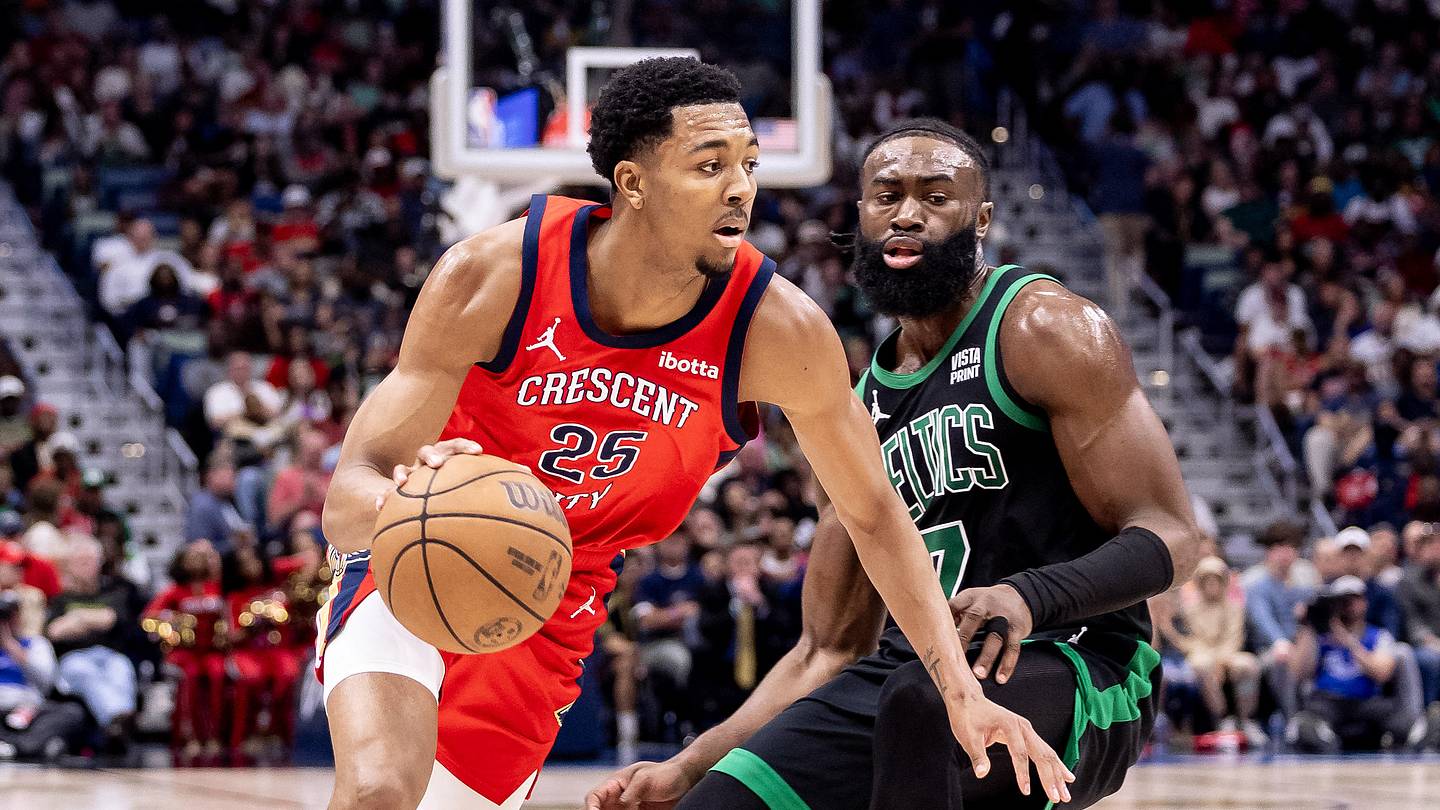
Brown is seven years younger than George and enters the arrangement fresh off peak production. The return of two first-round picks and two second-round picks reflects how little the Celtics ultimately received for a player many viewed as a cornerstone. Pelicans fans now revisit their own rumored interest in Brown and the Celtics' counter interest in Trey Murphy as the centerpiece of any potential package.
The Pelicans correctly avoided a straight Murphy-for-Brown swap because New Orleans would have needed to attach additional salary such as Jordan Poole or Dejounte Murray simply to balance the books. That extra cost would have left the roster thinner around Zion Williamson and Brandon Ingram while surrendering a young wing who fits the team's spacing and defensive needs. Brown would have demanded a larger supporting cast to thrive, yet the Pelicans already operate near the luxury-tax line without clear paths to add complementary pieces.
New Orleans sits in a different stage of its window than Boston or Philadelphia, where immediate contention justifies aggressive asset movement. The front office has prioritized keeping young talent like Murphy intact rather than chasing established stars at inflated prices. Rival teams continue to reshape their cores around aging veterans, but the Pelicans have shown restraint that preserves flexibility for future drafts and extensions.
Looking ahead, the Pelicans will monitor how Brown integrates in Philadelphia and whether the Sixers' new supporting cast can elevate his impact before the February trade deadline. Any further Brown-related movement would require the Pelicans to decide whether Murphy remains untouchable or if a different package emerges once salaries reset. The next key date arrives with the October training camp when New Orleans must finalize its rotation without the hypothetical Brown addition.
Murphy's continued presence keeps the Pelicans' perimeter defense and shooting intact while avoiding the long-term cap strain that comes with Brown's new deal. The decision reflects a measured approach to roster building in a market where young wings with Murphy's blend of size, shooting, and defensive versatility remain difficult to replace through free agency or the draft. By holding firm, the Pelicans maintain continuity around their core of Williamson and Ingram while keeping future trade ammunition available for a more targeted upgrade when the timing aligns better with their contention timeline.

 New Orleans Pelicans