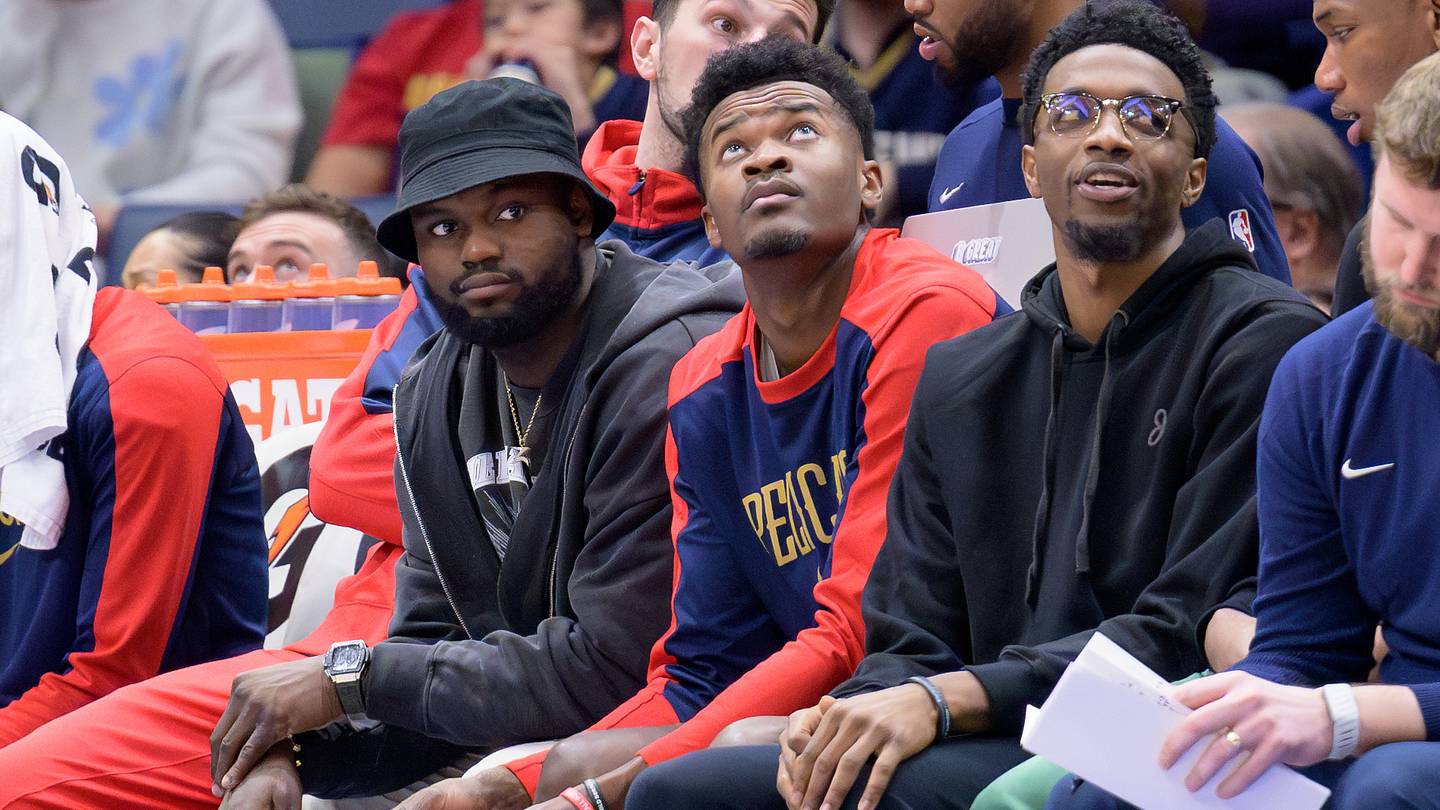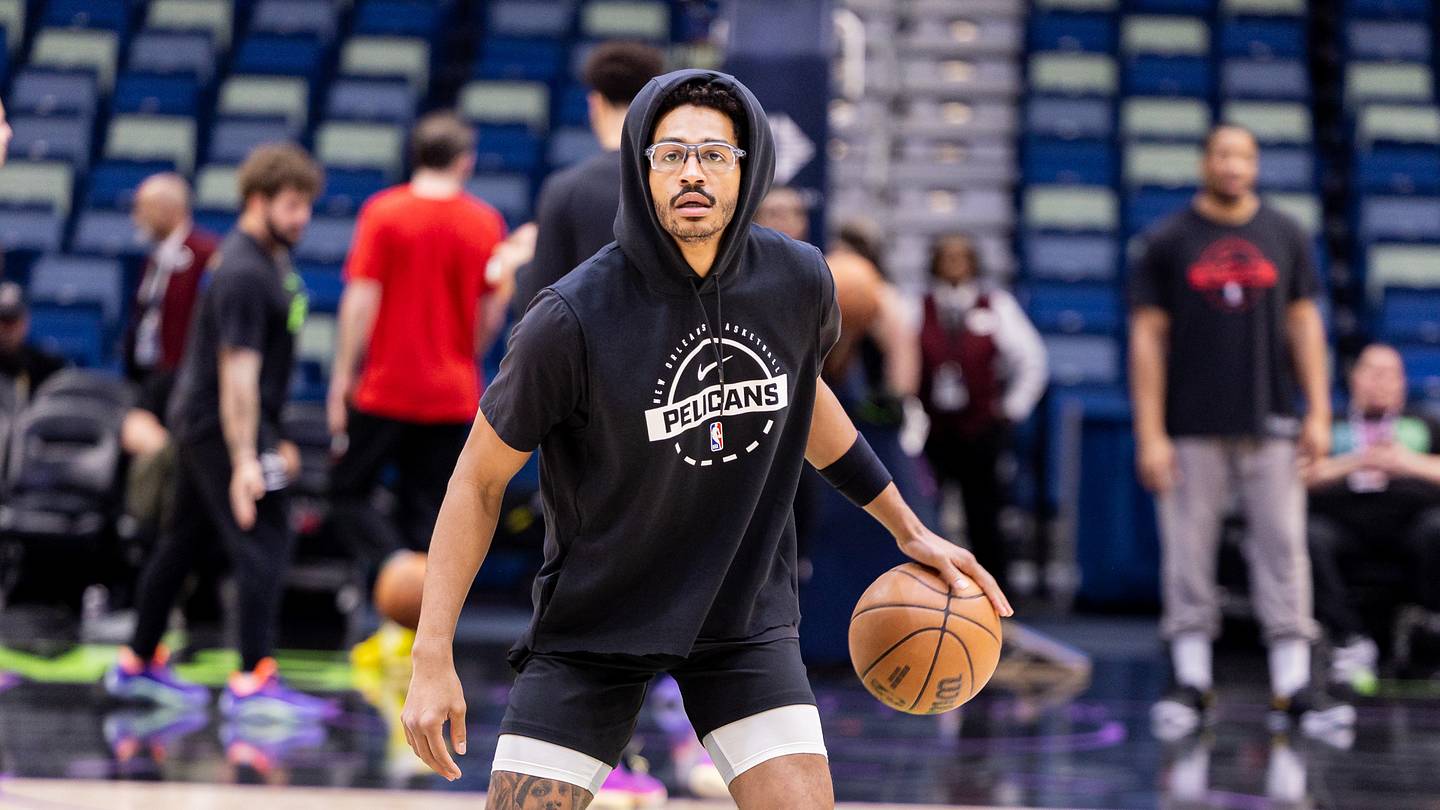
Hunter Dickinson has returned to the New Orleans Pelicans organization on a two-way contract, extending his stay for another season. The agreement mirrors the structure of his previous deal, meaning he will split his time between the NBA roster and the team’s G League affiliate, the Birmingham Squadron. This continuity signals that the Pelicans view Dickinson as a developmental piece who can provide depth when needed.
During his first year with the club, Dickinson appeared in a handful of regular-season games, logging limited minutes and modest scoring. Those numbers reflect the typical usage of a two-way player, who is often called upon in short bursts while spending the bulk of the schedule in the minor league. The experience gave him a glimpse of the NBA pace and allowed the coaching staff to evaluate his potential in a low-risk setting.
Two-way contracts serve as a flexible tool for NBA teams, allowing them to retain promising talent without using a full roster slot. For the Pelicans, the arrangement offers a way to keep a young big man in the system while preserving roster flexibility for their core players. The contract also grants Dickinson the chance to develop his skill set in a competitive G League environment, where he can hone his rebounding and rim-protection abilities.
The front office in New Orleans has emphasized cost-controlled talent in recent roster moves, and Dickinson’s re-signing fits that philosophy. By adding a player who can contribute at the center position in the G League, the Pelicans create a safety net that can be activated if injuries or rotation changes require additional front-court minutes. This approach aligns with the team’s broader strategy of building depth without overcommitting cap space.
Dickinson will report to training camp in September, where he will compete for opportunities to earn NBA minutes. His performance with the Birmingham Squadron will be closely monitored, as strong showings in the G League often translate into call-ups under the two-way framework. The upcoming months will be a critical period for him to demonstrate growth and to position himself as a reliable depth option for the Pelicans.
If Dickinson can translate his developmental work into tangible contributions on the court, he could evolve from a peripheral player into a regular contributor for New Orleans. The organization’s willingness to retain him suggests they see untapped potential that could be realized with continued coaching and game experience.
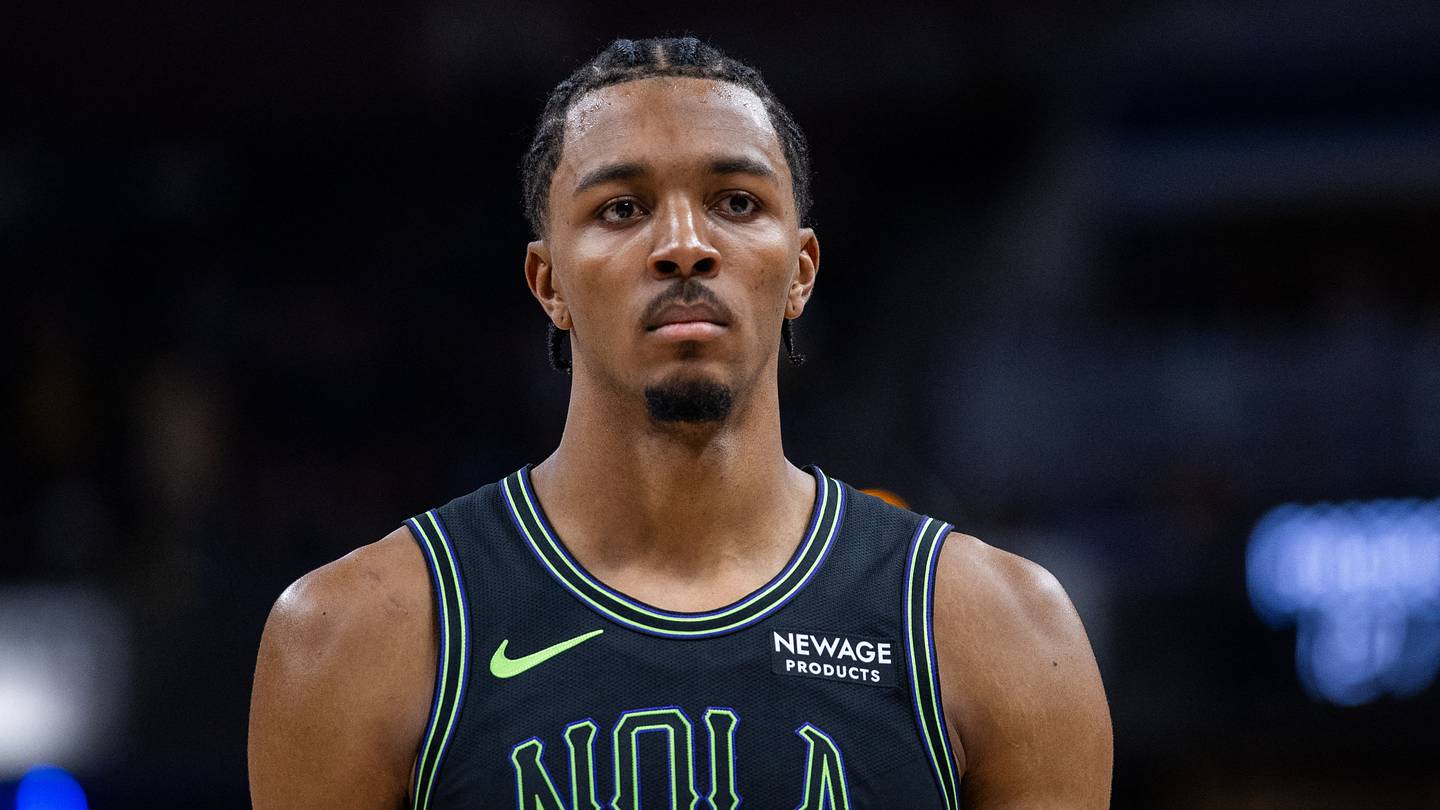
 New Orleans Pelicans