The Detroit Pistons, fresh off a 60-win regular season and a disappointing second-round playoff exit to the Cleveland Cavaliers, are at a crossroads, risking an overreaction to their postseason shortcomings. After securing the Eastern Conference's top seed, Detroit was ousted in a decisive Game 7, falling 125-94 to Cleveland. This early exit, particularly after a hard-fought first-round series where they overcame a 3-1 deficit against the Orlando Magic, has triggered a sense of urgency within the front office to significantly upgrade the roster around star Cade Cunningham.
The financial landscape for the Pistons this offseason presents a complex puzzle. While some paths could create up to $27.9 million in cap space, doing so would necessitate renouncing player options and partially guaranteed contracts for rotation players like Daniss Jenkins, Marcus Sasser, Paul Reed, and Duncan Robinson. The more likely scenario involves Detroit operating over the cap, retaining Bird rights for players like Tobias Harris, and utilizing the $15 million Non-Taxpayer Mid-Level Exception. This approach would allow them to add talent without completely gutting a roster that saw significant internal development from its young core, including All-Stars Cade Cunningham and Jalen Duren.
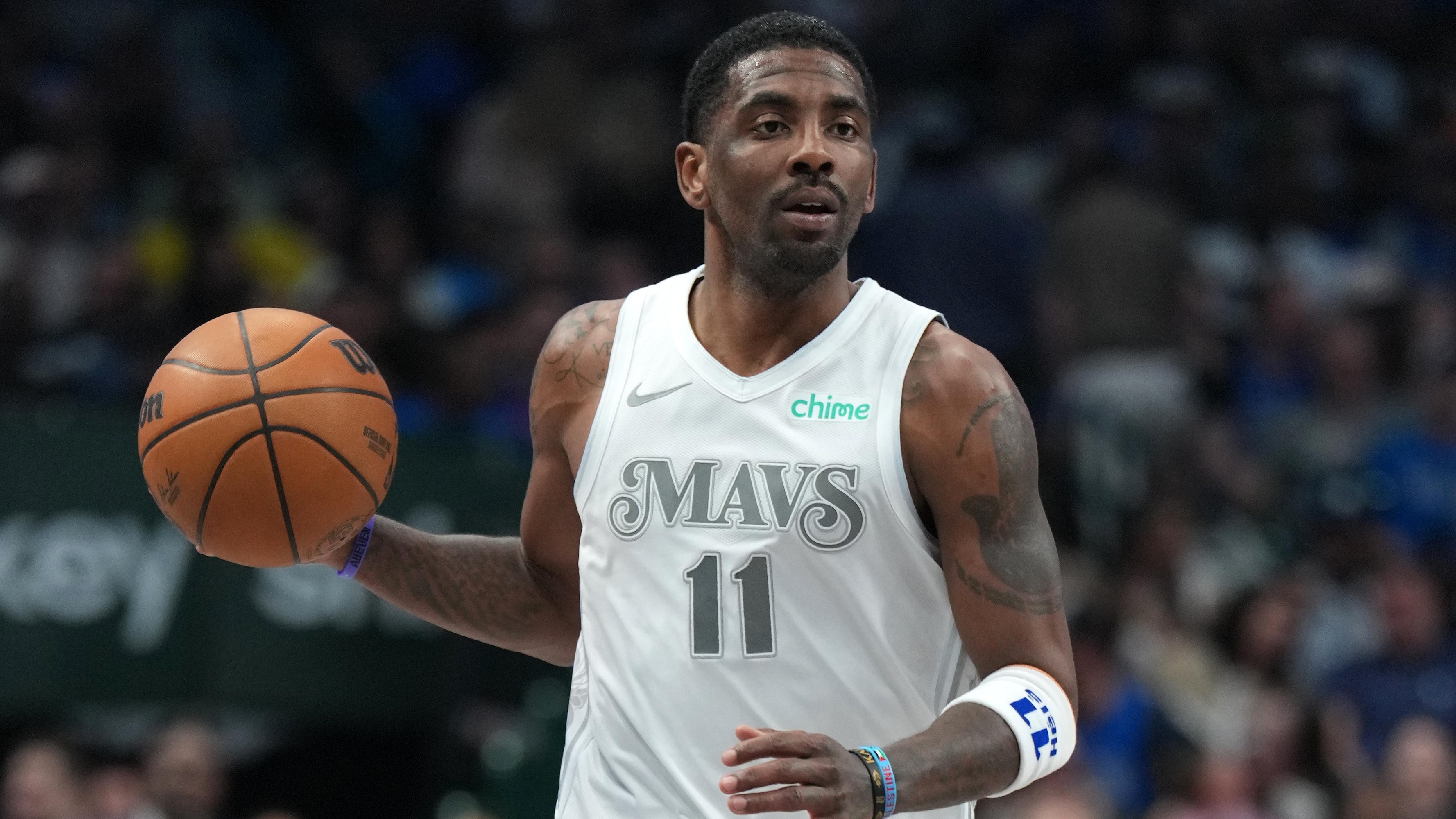
From a basketball perspective, the calls for a drastic overhaul might be premature. This is a team that won 60 games, a testament to the strides made by their young core. The issue in the playoffs was not necessarily a lack of raw talent, but rather a glaring deficiency in perimeter shooting, consistent shot creation beyond Cunningham, and overall offensive versatility. Cunningham's playoff turnovers, for instance, skyrocketed due to the unreasonable burden of carrying the entire offense. Trading away valuable draft capital or core pieces in a panic to acquire an aging star like Kyrie Irving, who turns 35 in March and is coming off a torn ACL, might provide a temporary scoring bump but could undermine the long-term vision built on the development of players like Ausar Thompson and Jalen Duren.
The front office, now led by President of Basketball Operations Trajan Langdon, faces critical decisions regarding extensions for Duren and Thompson, both eligible for rookie extensions. Langdon, who joined the Pistons after Troy Weaver's departure in May 2024, inherited a team that had a franchise-worst 14-68 record in 2023-24. Langdon's quiet approach at the last trade deadline, where he only added Kevin Huerter and a first-round pick swap, suggests a patient strategy. The current sentiment around the league indicates a desire to retain Duren, even amid rumors of interest from teams like the Los Angeles Lakers.
The upcoming NBA Draft on June 23 and the subsequent free agency period will be pivotal. The Pistons hold the No. 21 overall pick in the 2026 draft, acquired via a trade that also brought Kevin Huerter to Detroit. They also possess full ownership of their next six first-round picks through 2032, offering significant trade flexibility. While a big-name acquisition like Kyrie Irving or Zach LaVine is being floated as a potential solution for offensive struggles, the wiser course might be to target specific skill sets, perimeter shooting, for instance, that complement their existing young talent rather than pursuing a splashy, potentially ill-fitting star. The Pistons' trajectory hinges on measured, strategic additions, not a knee-jerk reaction to a playoff exit that, for a 60-win team, still represented significant progress.
 Detroit Pistons