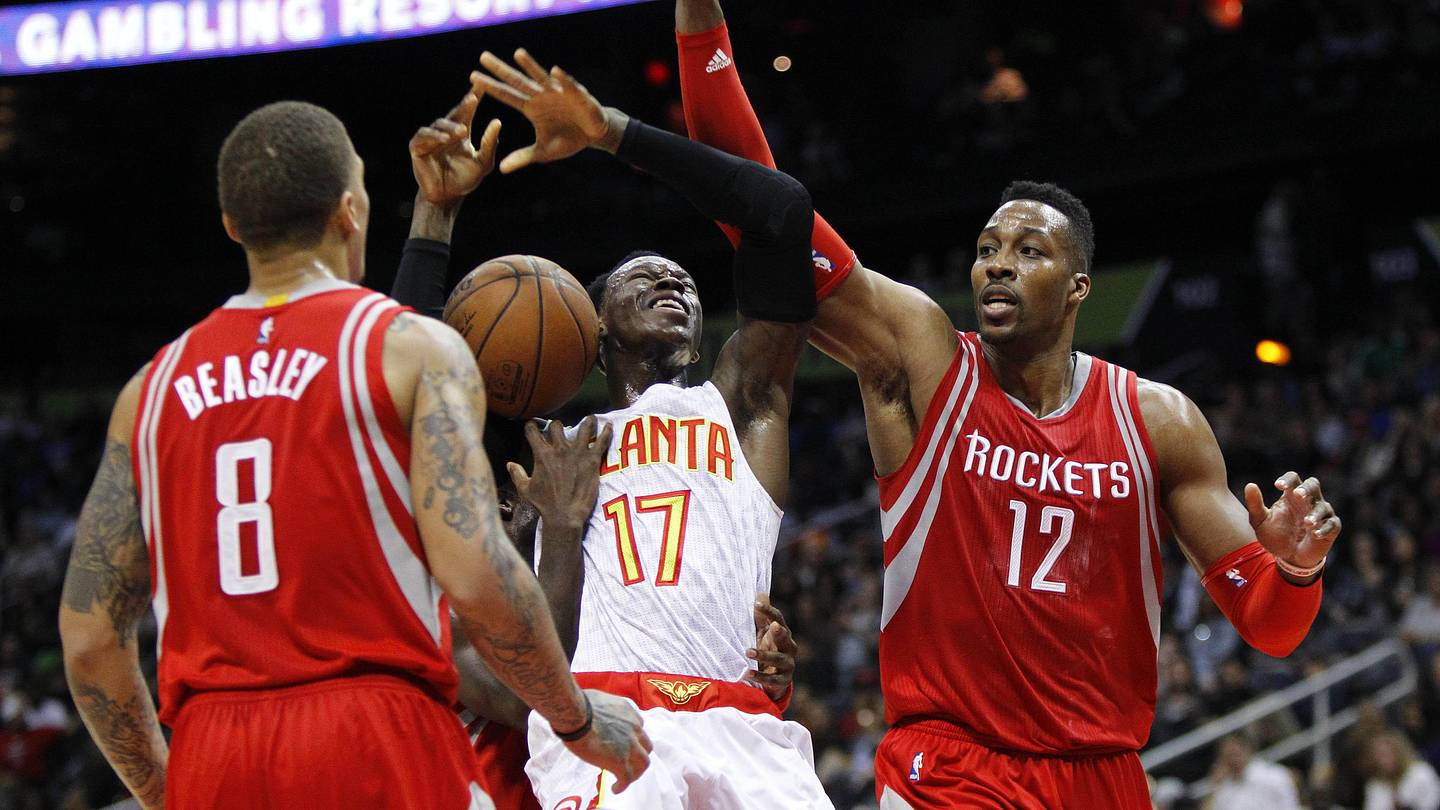
The disconnect between potential and production became a defining theme for the Houston Rockets throughout the 2025-26 season. While the roster remains flush with young prospects, the lack of a stabilizing force at the top of the rotation has created a ceiling that the current group cannot seem to pierce.
Consistency remained an elusive concept for this team as they navigated a calendar marked by missed opportunities. The inability to maintain focus resulted in a series of blown leads that baffled the coaching staff and front office alike.
These collapses were not limited to matchups against the elite of the Western Conference. Houston frequently struggled to secure wins against the bottom feeders of the league, surrendering double-digit advantages to teams with no clear path to the postseason.
This pattern of volatility suggested that while the talent level is high, the maturity required to close out professional basketball games is still developing. The stakes of this development were laid bare during a postseason run that ended with more questions than answers.
Facing a Los Angeles Lakers squad that was significantly hampered, the Rockets failed to capitalize on a clear advantage. The Lakers were forced to compete without their two best players, yet Houston looked like the less prepared unit.
An underwhelming series followed where the Rockets appeared overwhelmed by the gravity of the moment. The lack of a proven star to settle the offense during scoring droughts was glaringly obvious against a veteran-led Lakers defense.
Houston dropped each of the first three games of that series, creating a deficit that is historically insurmountable in the NBA. The early exit forced a period of reflection for the franchise's top decision makers regarding the current roster construction.
For several years, the organizational strategy has centered on the internal growth of a specific core. The Rockets have successfully accumulated four prospects selected within the top five of their respective draft classes over a four-year span.
This concentration of high-lottery talent is rare in the modern NBA and provides a significant amount of trade value. However, the front office has publicly leaned into the idea that these young players will eventually evolve into the stars the team needs.
The 2025-26 campaign provided evidence that this timeline might not align with the competitive window the team wants to open. There is a growing sense that internal development alone cannot bridge the gap between a middle-of-the-pack team and a true contender.
Houston clearly needs more proven star-level players to complement their youth. The difficulty lies in the current state of the trade market, which appears stagnant as the summer progresses.
Many of the league's most impactful superstars seem likely to stay with their current franchises for the foreseeable future. This lack of movement limits the options for a team like Houston that has the assets to make a significant splash.
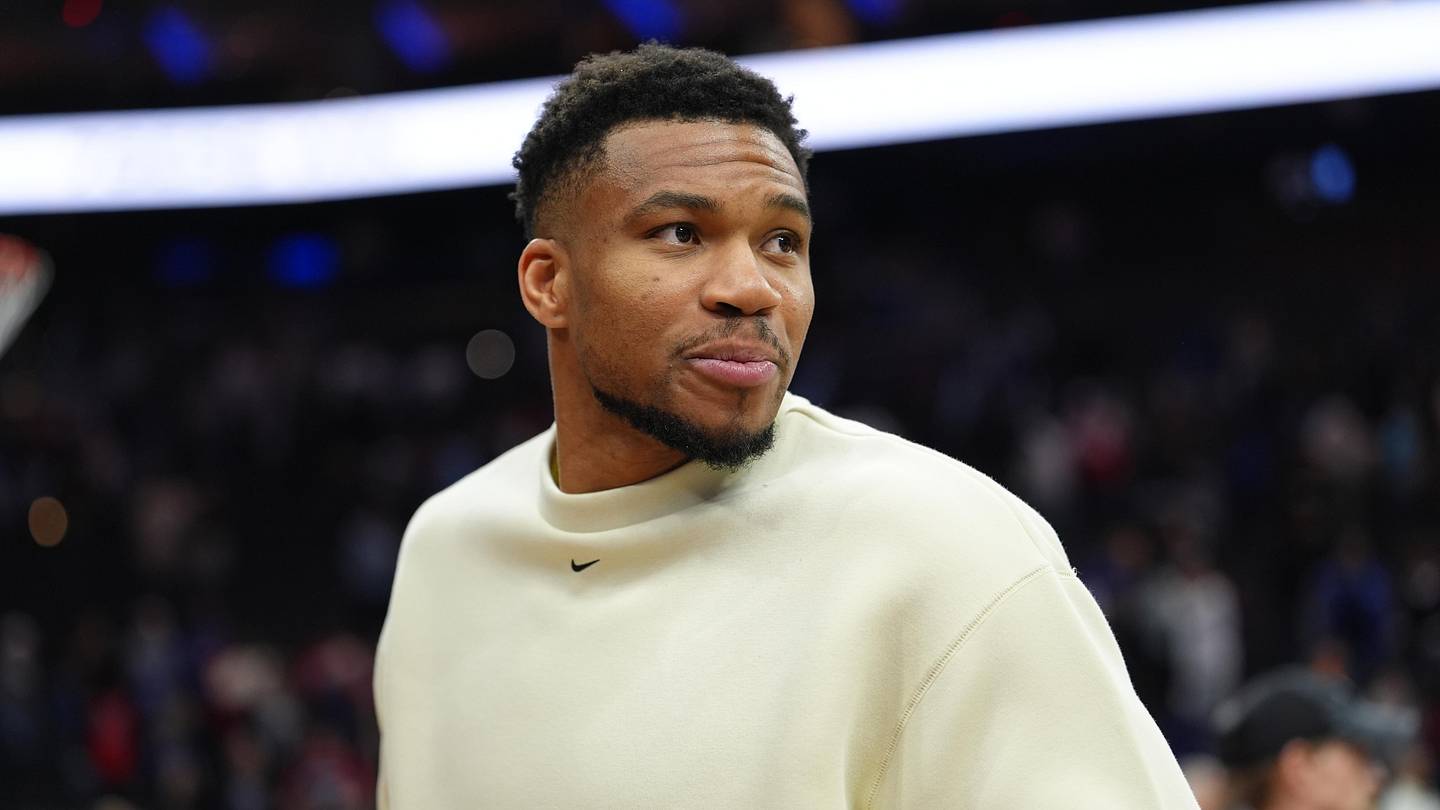
Giannis Antetokounmpo remains the most significant name discussed in trade circles, though the likelihood of a deal seems to diminish by the day. The situation in Milwaukee has reached a point of friction that has persisted for several seasons.
Observers have noted a standstill between the Bucks organization and their franchise player that feels like it has lasted for a decade. This prolonged uncertainty has kept the rest of the league in a holding pattern as they wait for a resolution.
One team that has aggressively engaged in these conversations is the Boston Celtics. Reports indicate that Boston is exploring major roster shifts that could have a direct impact on Houston's pursuit of elite talent.
The Celtics appear likely to move Jaylen Brown this offseason, regardless of whether they successfully land Antetokounmpo. This development creates a unique opportunity for the Rockets to acquire a player who fits their need for veteran scoring and perimeter defense.
If Boston pursues a deal for the Bucks star, Brown becomes a primary piece of leverage in those negotiations. Even if that specific trade falls through, the Celtics seem prepared to explore other avenues involving their All-Star wing.
For Houston, the availability of a player like Brown would address several tactical deficiencies. His ability to provide consistent rim pressure and floor spacing would alleviate the burden currently placed on the Rockets' younger guards.
Adding a player of that caliber would also help solve the consistency issues that plagued the team last year. A proven veteran understands how to manage the pace of a game when a lead starts to slip away.
The Rockets are currently sitting on a collection of salary slots and draft capital that makes them a natural partner for any major transaction. Their ability to absorb high-level talent without gutting their entire depth chart is a significant advantage.
However, the front office must weigh the cost of such a move against their commitment to the four top-five picks on the roster. Trading away youth for immediate production is a gamble that requires precise timing and the right lineup fit.
The fan stakes are high in Houston, where the appetite for a deep playoff run has only grown after the disappointing showing against the Lakers. The city is waiting for the front office to maximize the potential of this rebuilding phase.
Leverage in the NBA is often about being the third team in a blockbuster deal or being ready when a superstar finally demands an exit. Houston is positioned to play either role depending on how the Milwaukee and Boston situations resolve.
The cap holds and future flexibility the Rockets have maintained give them a seat at the table for any high-level discussion. They are no longer just a team of the future; they are a team that needs to justify its current trajectory.
The struggles of the 2025-26 season proved that potential is a dangerous currency if it does not eventually translate into wins. Watching the Giannis sweepstakes is not just about the Greek Freak; it is about the collateral moves that could land a star in Houston.
If the Celtics decide to pivot toward a new era, the Rockets should be the first team to pick up the phone. The acquisition of a player like Jaylen Brown would signal a shift from a developmental project to a competitive reality.
The internal growth of the young core remains vital, but it cannot be the only path forward. The Rockets need a closer who can prevent the types of collapses seen against bottom-tier opponents and shorthanded playoff rivals.
As the offseason moves into its most critical phase, the front office must decide if they are willing to part with some of their prized assets to secure a proven floor raiser. The market for stars is rarely this volatile, and opportunities to acquire a player in their prime are infrequent.
Houston has spent years accumulating the pieces necessary to facilitate a franchise-altering trade. The stagnation in Milwaukee and the impending movement in Boston suggest that the time to deploy those assets is rapidly approaching.
The Rockets are currently defined by what they might become rather than what they are. To change that narrative, they must find a way to inject veteran star power into a locker room that has yet to learn how to win consistently.
Success in the Western Conference requires more than just high-upside prospects and a collection of draft picks. It requires a hierarchy where every player understands their role and a leader who can deliver when the offense stalls.
The 2025-26 season was a harsh reminder of how far the Rockets still have to go. Relying on the development of four young players to happen simultaneously is a strategy fraught with risk and potential disappointment.
By rooting for a major shakeup in the Eastern Conference, Houston is essentially rooting for their own upgrade. A trade that sends a star to Boston could be the catalyst that finally brings the Rockets the elite talent they so clearly lack.
 Houston Rockets