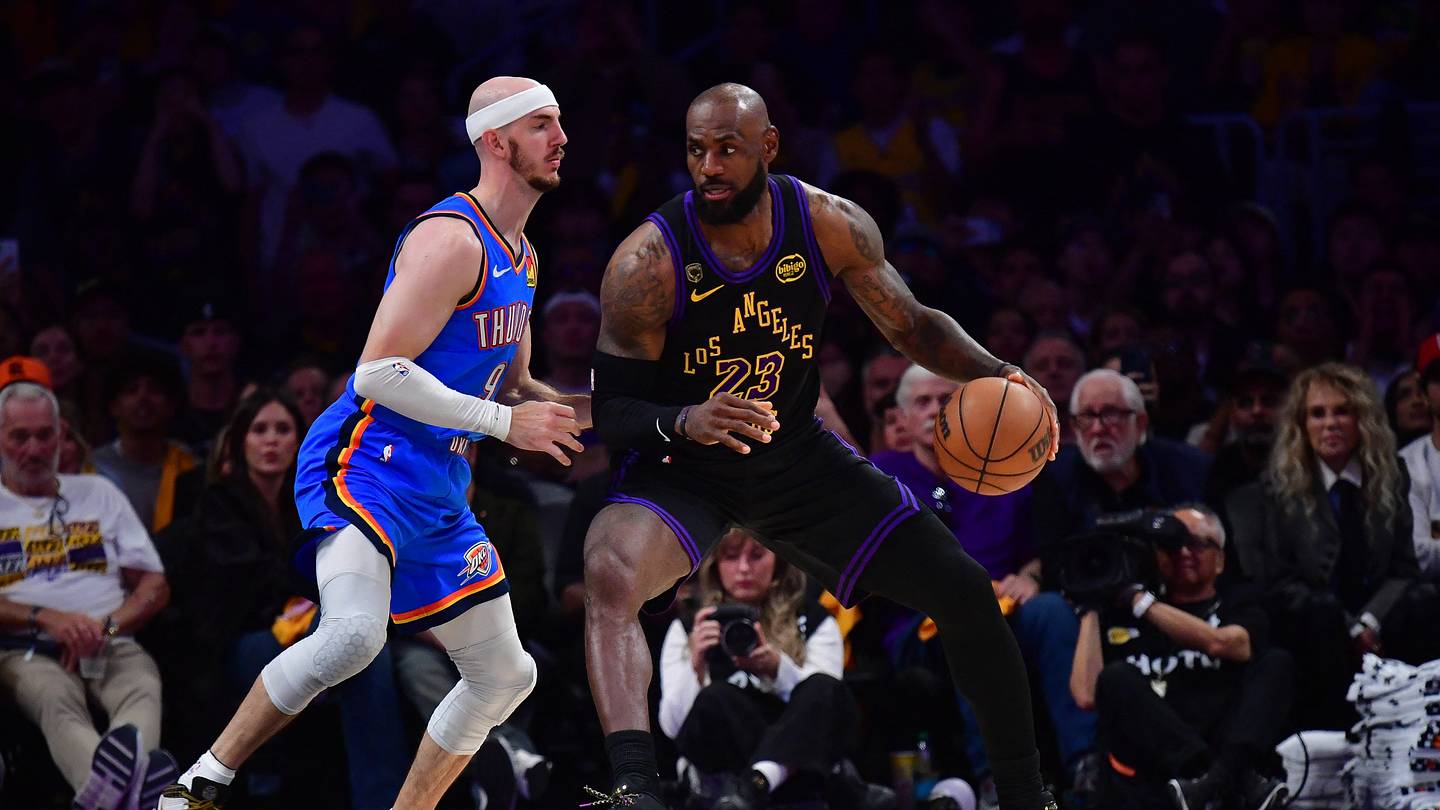
LeBron James announced he will not return to the Los Angeles Lakers for the upcoming season, instantly making his next destination a headline question. At the same time, the Oklahoma City Thunder have already reshaped their roster by moving Aaron Wiggins and Isaiah Joe for tax reasons and by locking Isaiah Hartenstein into a multi-year extension. Those moves cleared cap space and signaled a willingness to keep flexible pieces, setting the stage for the Thunder to consider whether a veteran of James’ caliber fits into their rebuilding timeline.
James has made it clear he is not chasing another max contract; the former MVP indicated he could sign for a minimum if the situation aligns with his priorities. For a franchise that has spent the offseason shedding younger contracts, a minimum-level deal would be financially manageable and would not force the Thunder into the luxury-tax range. The key question is whether the organization can accommodate a veteran salary without compromising the flexibility it has built toward the free-agency window that lies ahead.
From a basketball perspective, James still possesses elite court vision, passing ability, and a high basketball IQ that could accelerate the development of OKC’s young core. His ability to handle the ball and create off-the-drum opportunities would give the Thunder a playmaker who can also mentor emerging talent. However, his age and the likelihood that he would accept limited minutes raise concerns about the return on investment; the Thunder would need to balance his on-court contributions against the opportunity cost of a roster spot that could otherwise be used for a younger player with upside.
The broader offseason has already featured blockbuster moves: Kawhi Leonard was traded back to Toronto, and Ja Morant was dealt to Portland, reshaping the competitive landscape for the 2027 title race. The Thunder’s recent contract moves mirror a league-wide trend of front offices prioritizing cap flexibility ahead of free agency. In that environment, adding a high-profile veteran like James would not only bring on-court skill but also a marketing boost that could enhance the franchise’s brand and fan engagement.
Free agency has barely opened, giving the Thunder only a narrow window to gauge James’ interest and negotiate terms. If James signals a willingness to join a team focused on winning, Oklahoma City must be ready to present a clear role and a competitive roster that aligns with his desire for a title run. The front office will need to decide quickly whether a minimum-level contract fits into its long-range plan or whether the cap space is better allocated to younger assets.
Even if the Thunder ultimately decide not to pursue James, the discussion highlights how a single player’s willingness to forego a max contract can force a franchise to re-examine its cap philosophy and roster construction. A LeBron James signing would be a rare convergence of veteran talent and cap flexibility, and the league will be watching to see whether Oklahoma City can turn that convergence into a strategic advantage.
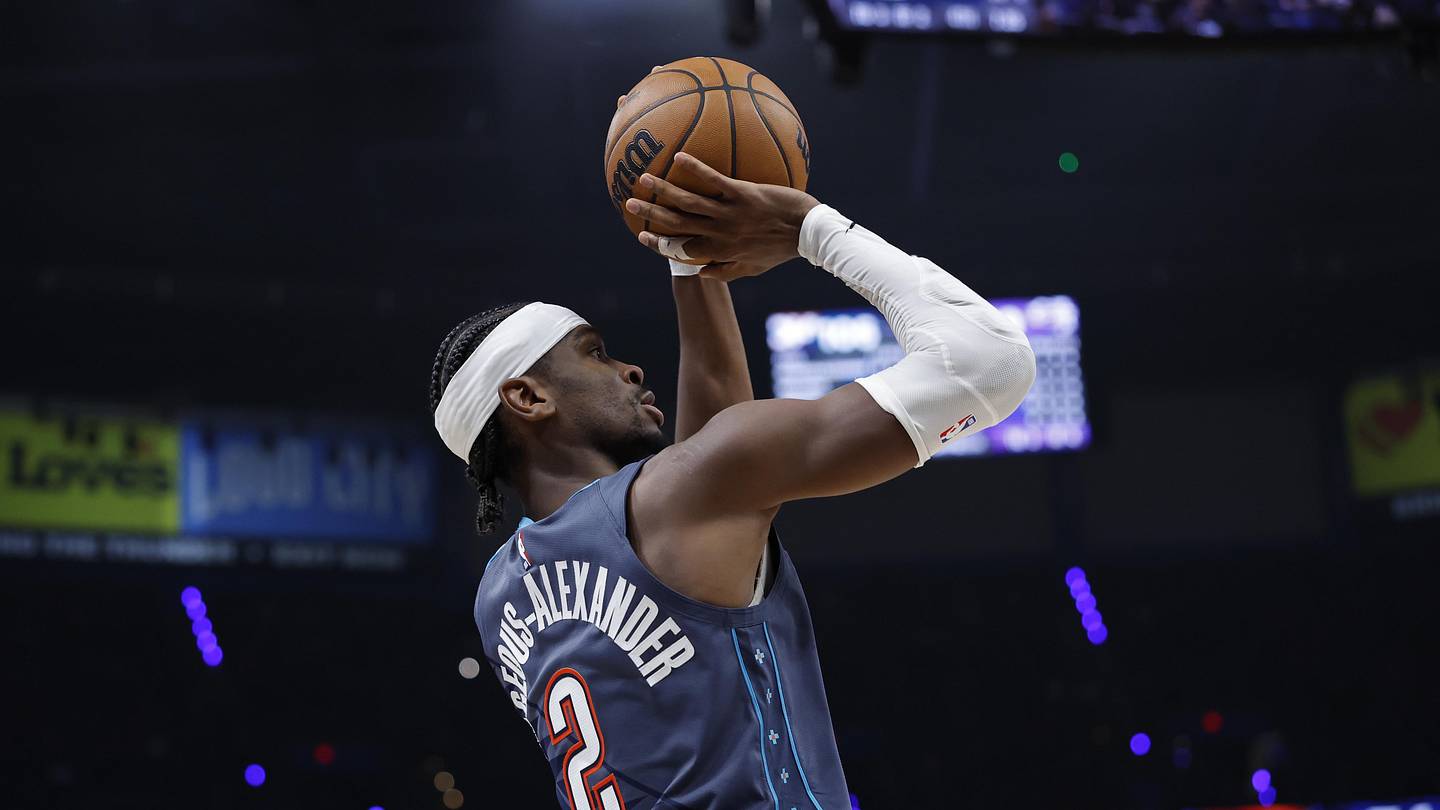
 Oklahoma City Thunder