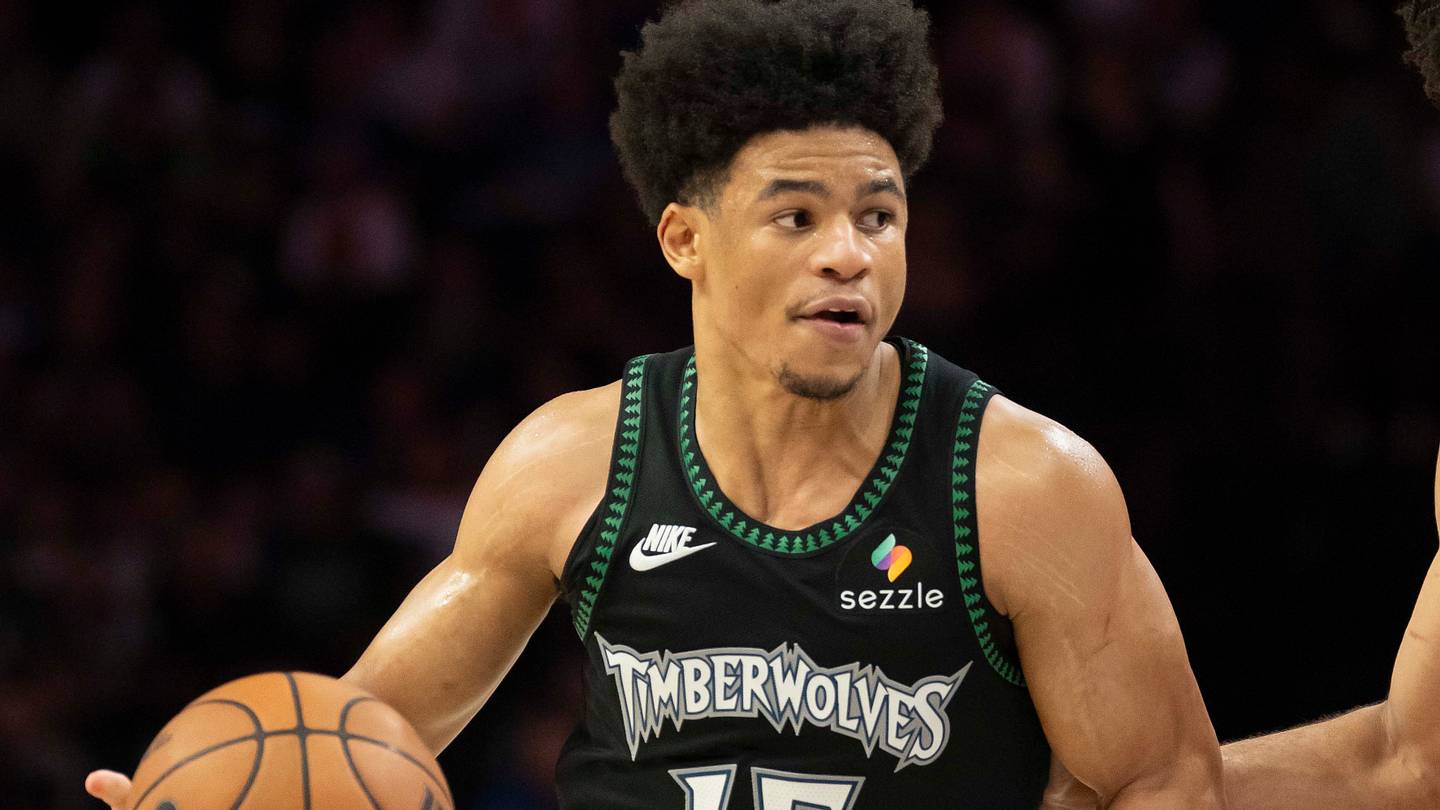
In the fall of 2024, the Minnesota Timberwolves turned a historic Western Conference Finals run into a roster reset by sending Karl-Anthony Towns to the New York Knicks. In return the Wolves received Julius Randle, Donte DiVincenzo and a first-round draft pick, a move driven by the NBA’s newly instituted second apron, a salary-cap line that tightens luxury-tax penalties for teams that exceed it.
Towns entered the upcoming season on a four-year contract that would pay $49 million in the first year and could rise to $61 million via a player option later in the deal. With Anthony Edwards and Jaden McDaniels already slated for extensions and new deals expected for Rudy Gobert and eventually Naz Reid, the franchise needed to shed salary quickly. Towns, as the longest-tenured player, offered the most valuable trade asset, allowing the Wolves to reshape their payroll while preserving core pieces.
The trade immediately reduced the Wolves’ payroll. Randle’s new deal, combined with DiVincenzo’s salary, sits roughly $12 million below what Towns cost Minnesota last season. That reduction allowed the team to fall beneath the second-apron threshold after spending the previous season above it, a status that had blocked any meaningful acquisition at the trade deadline. By moving Towns’ contract, the Wolves regained flexibility to pursue roster improvements without the constant specter of punitive taxes.
From a basketball standpoint, Randle adds a veteran post presence who can finish at the rim and stretch the floor, while DiVincenzo brings perimeter defense and three-point shooting off the bench. Those pieces dovetail with the emerging core of Edwards and McDaniels, whose extensions lock up the team’s primary scorers. Adding Gobert and eventually Reid completes a front-court that can protect the paint, rebound, and create spacing without the tax-heavy Towns contract.
Looking ahead, the Wolves must finalize extensions for Edwards, McDaniels, Gobert and Reid before the next season begins, ensuring the core remains intact while the cap space created by the trade is allocated to new deals and potential free-agent signings. The second-apron deadline arrives early in the offseason, and any misstep could re-trigger luxury-tax penalties, forcing Minnesota to consider additional moves before the next trade deadline. Navigating the second apron early positions the Timberwolves to compete without the constant specter of punitive taxes, a gamble that could redefine how small-market teams chase championships.