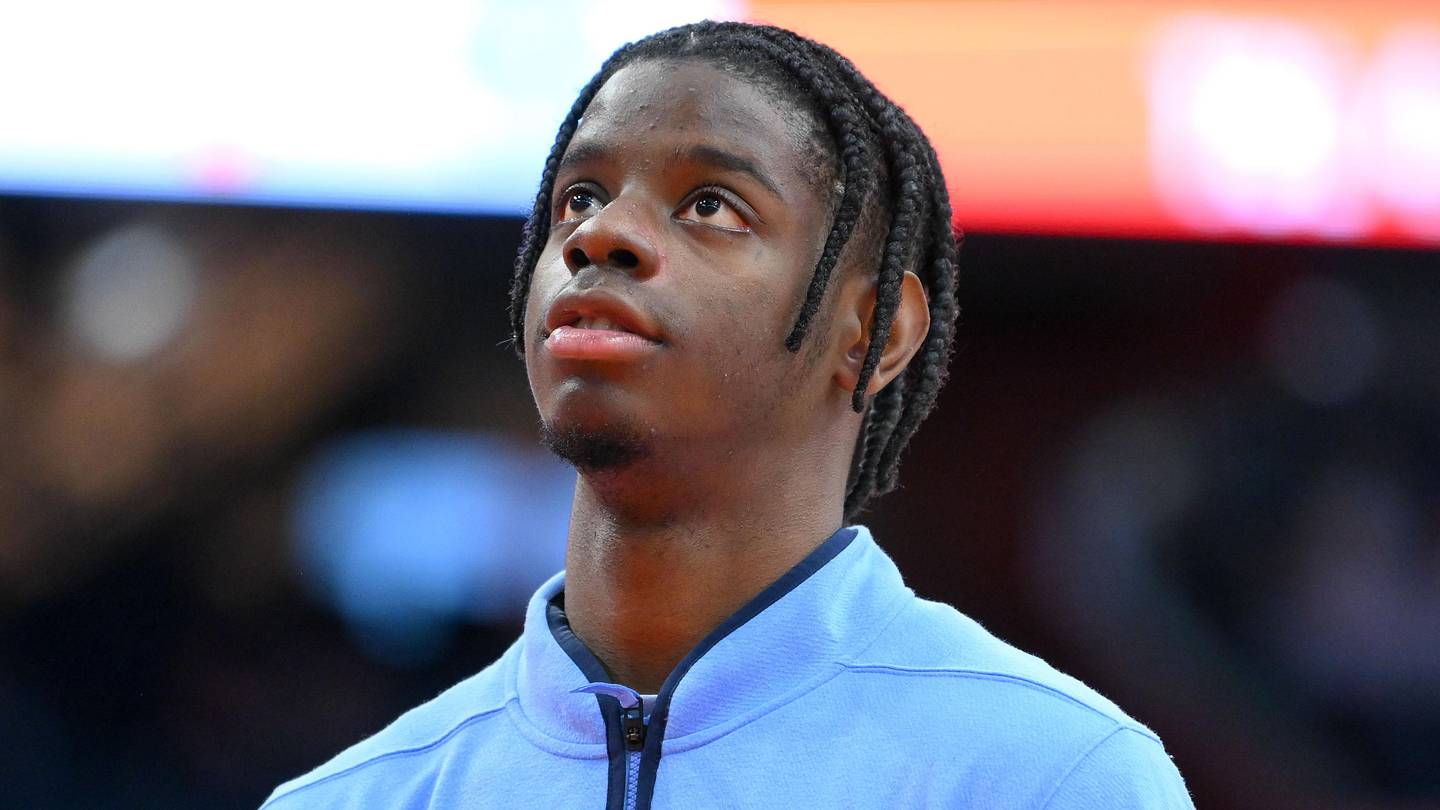
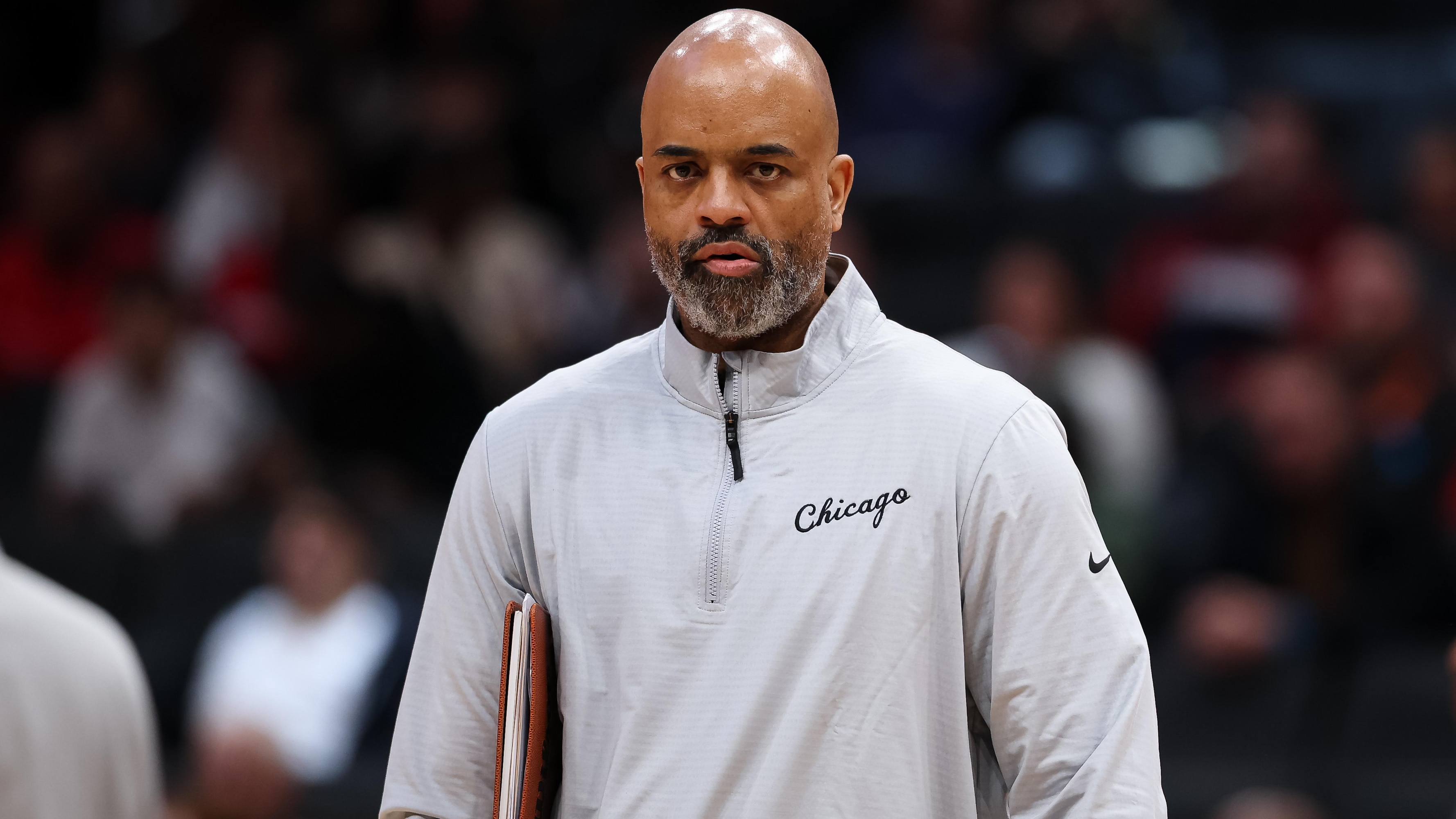
The Chicago Bulls see in Tiago Splitter exactly what a franchise in transition requires. The 41-year-old Brazilian won an NBA title with the Spurs in 2014 and has risen quickly through coaching ranks. After an in-person interview last week, the Bulls chose him over finalists Wes Unseld Jr., Micah Nori and Ryan Schmidt to become their next head coach. At 41, he was the youngest candidate and arrived with the shortest resume of the group.
Splitter began his post-playing career in a scouting role with the Nets after retiring in 2017. He advanced to player development, then took an assistant coaching job with the Rockets in 2023. A brief detour to Paris Basketball brought a French Cup title in 2025 before he joined the Trail Blazers as an assistant. Four months into that position, the organization faced sudden upheaval when coach Chauncey Billups was arrested in a gambling investigation. Splitter stepped in as interim coach and guided a young, injury-hit roster through chaos.

He lifted the Blazers to 42 wins and a seventh-place finish in the Western Conference. The team advanced through the play-in tournament despite significant absences. Scoot Henderson and Jrue Holiday missed extended time, while Deni Avdija's production fell off after the trade deadline because of a lingering back injury. Still, Avdija earned his first All-Star selection, and the young core showed measurable growth over the course of a turbulent season.
That ability to develop talent while projecting calm under pressure proved decisive for the Bulls. Splitter demonstrated an eagerness to work with young players, a quality that aligns with Chicago's impending roster changes. After next week's NBA draft, the team could add a new cornerstone. Combined with a new top executive already in place, the franchise faces a period defined by flux and the demands of a rebuild.

Splitter's experience stabilizing Portland directly matches what the Bulls need from their bench leader. His background includes exposure to multiple organizations and playing styles, from the player-development focus in Brooklyn to the Rockets' system and the makeshift environment in Portland. For a coach still building his reputation, these varied stops have sharpened an approach centered on consistency and adaptability.
The coming months will test whether Splitter's methods translate to Chicago's longer rebuilding timeline. He will inherit a young group that requires both tactical structure and emotional steadiness. The draft and subsequent free-agency moves will determine the roster's makeup, but the coach's role in integrating those pieces and establishing habits will shape the franchise's direction for years ahead. Splitter has shown he can navigate uncertainty without losing focus, exactly the profile a team entering this phase demands.
 Chicago Bulls