The Los Angeles Clippers enter the upcoming draft with a clear strategic priority: reinforcing the backcourt. Recent scouting reports emphasize a guard-centric approach, suggesting that the franchise’s next move should address playmaking and perimeter scoring. This perspective aligns with the team’s broader rebuild plan, which has consistently favored guard development over interior depth. By adhering to this philosophy, the Clippers can maintain continuity in their roster construction and avoid deviating from a proven developmental path.
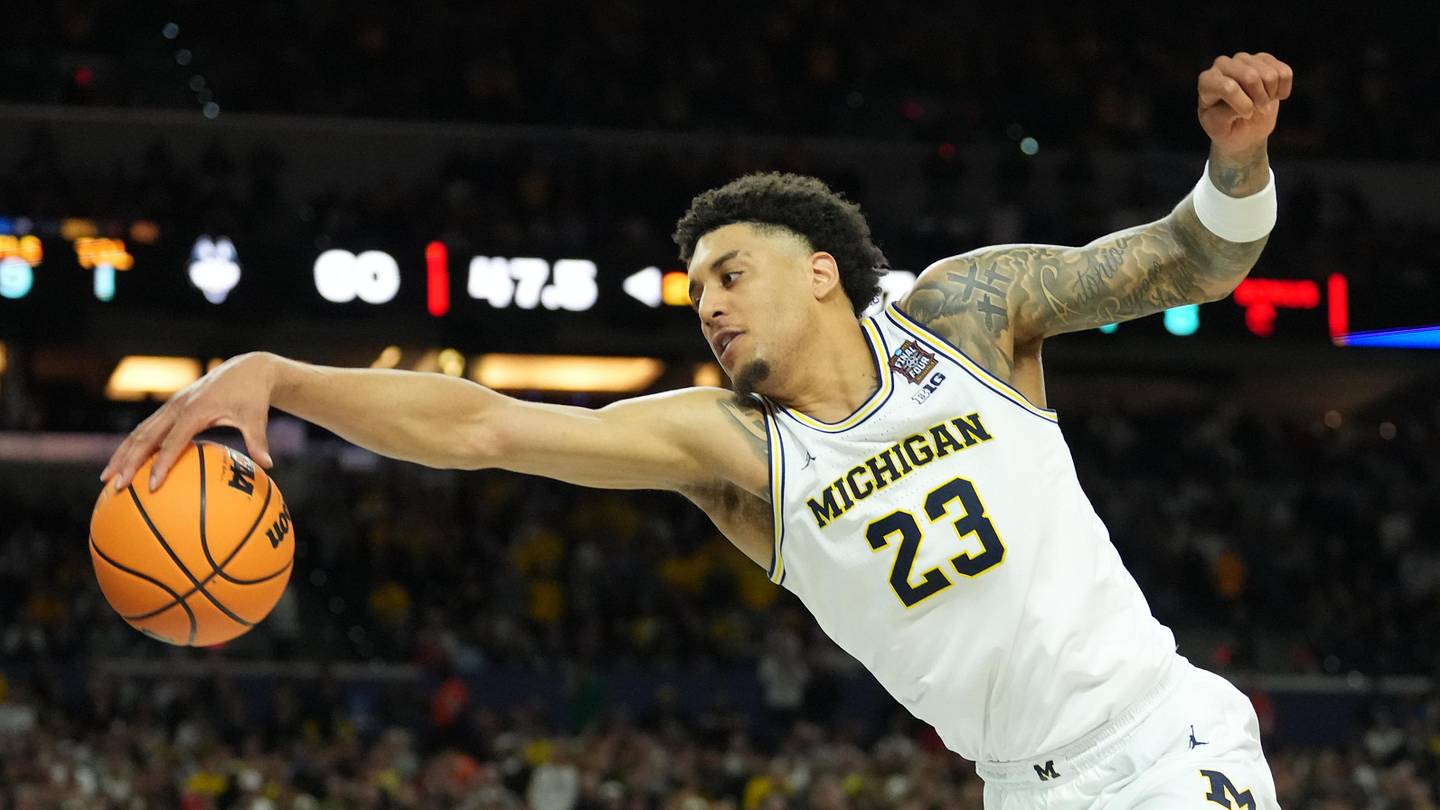
Among the elite prospects projected to be available, several names repeatedly surface as top-tier talent. AJ Dybantsa, Cam Boozer, Darryn Peterson and Caleb Wilson are frequently cited as the most promising players on the draft board. Their skill sets span scoring, defensive versatility and high basketball IQ, making them attractive options for a franchise seeking to inject youthful energy into its lineup. The consensus among scouts positions these athletes as the most logical selections for a team focused on long-term growth.
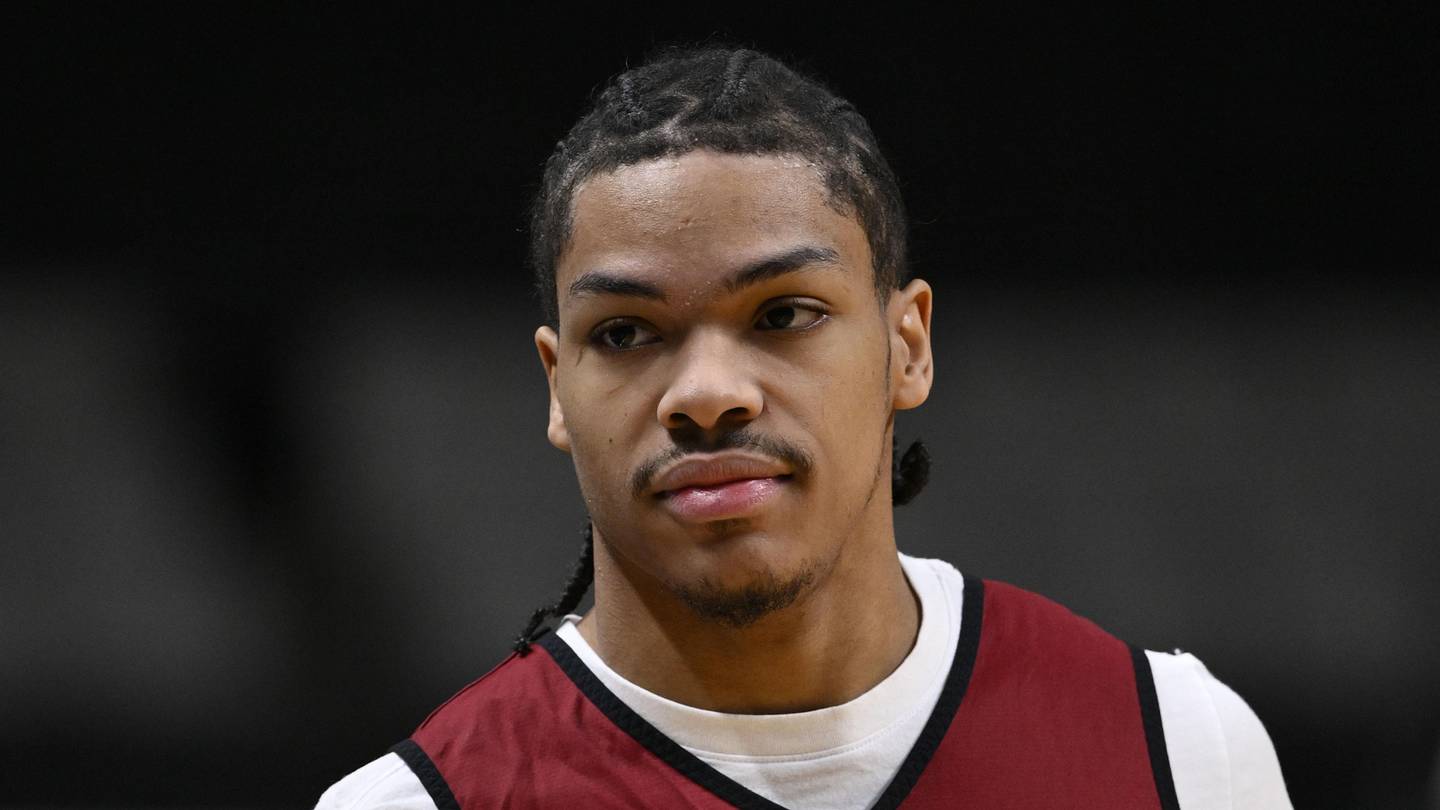
Beyond the immediate top tier, the next group of prospects features a collection of high-upside guards who could provide immediate impact. Players such as Keaton Wagler, Darius Acuff Jr., Kingston Flemings, Brayden Burries and Mikel Brown Jr. are highlighted for their ability to stretch the floor, create off the dribble and contribute on both ends of the court. Their projected skill sets align closely with the Clippers’ desire to bolster perimeter play, offering a blend of athleticism and shooting that fits the team’s evolving identity.
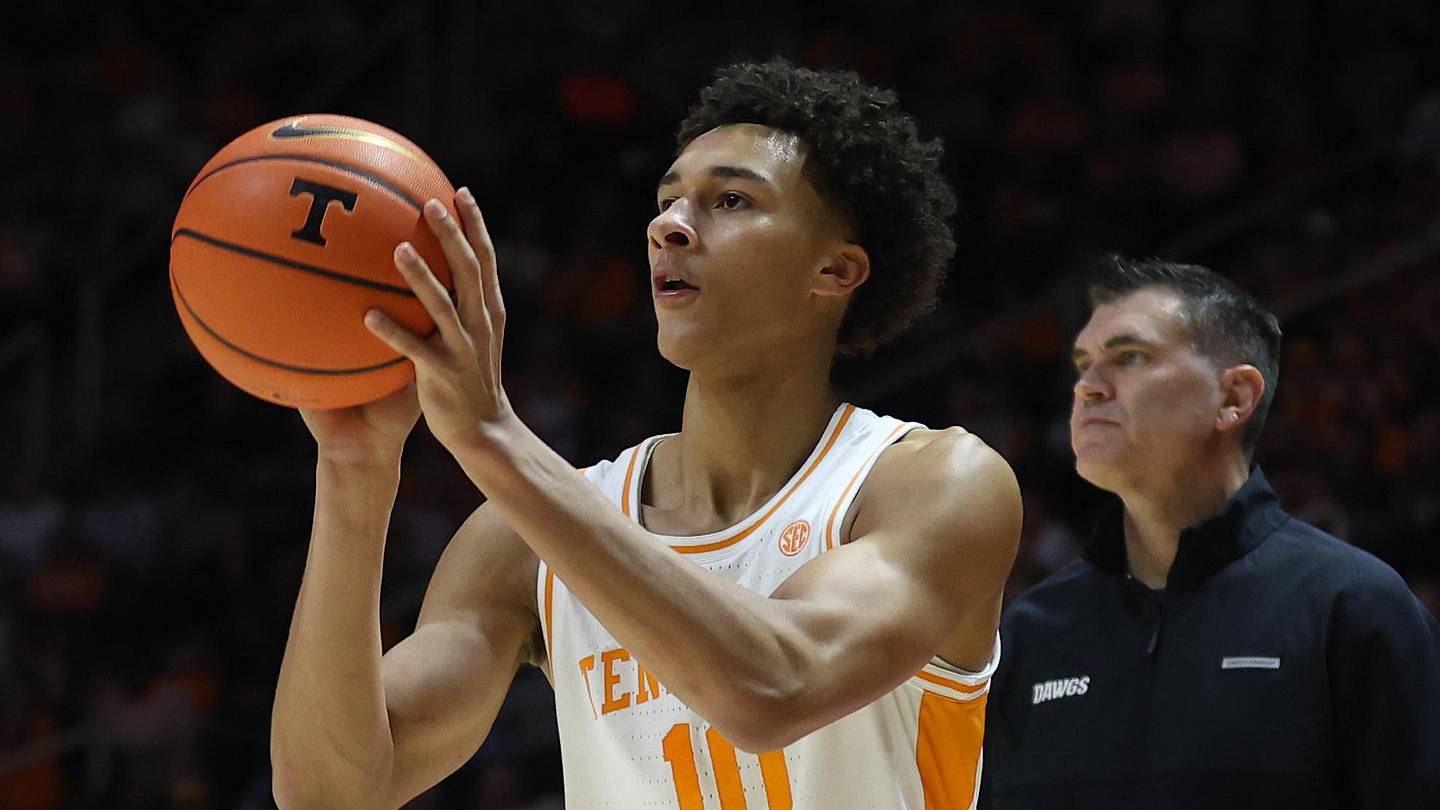
Tennessee forward Nate Ament has emerged as an alternative option, drawing interest from a limited set of clubs that have conducted individual workouts with him. Those workouts indicate that several organizations see potential value in his size and versatility. However, the scouting community generally places his projected draft position beyond the point where the Clippers would need to consider a forward at the expense of a guard. While his upside is not to be dismissed, the relative scarcity of his interest suggests that he may not be the optimal fit for a roster already leaning toward backcourt reinforcement.
Choosing a guard from the identified pool would preserve the Clippers’ strategic focus on building a cohesive, guard-driven core. Selecting a forward like Ament could shift the roster balance toward interior play at a time when the draft narrative emphasizes backcourt depth. By staying true to their established blueprint, the Clippers can continue to develop a roster that complements their existing talent and supports their long-term objectives. This approach reinforces a commitment to fit over raw upside, ensuring that each draft decision aligns with the franchise’s overarching vision.
 LA Clippers