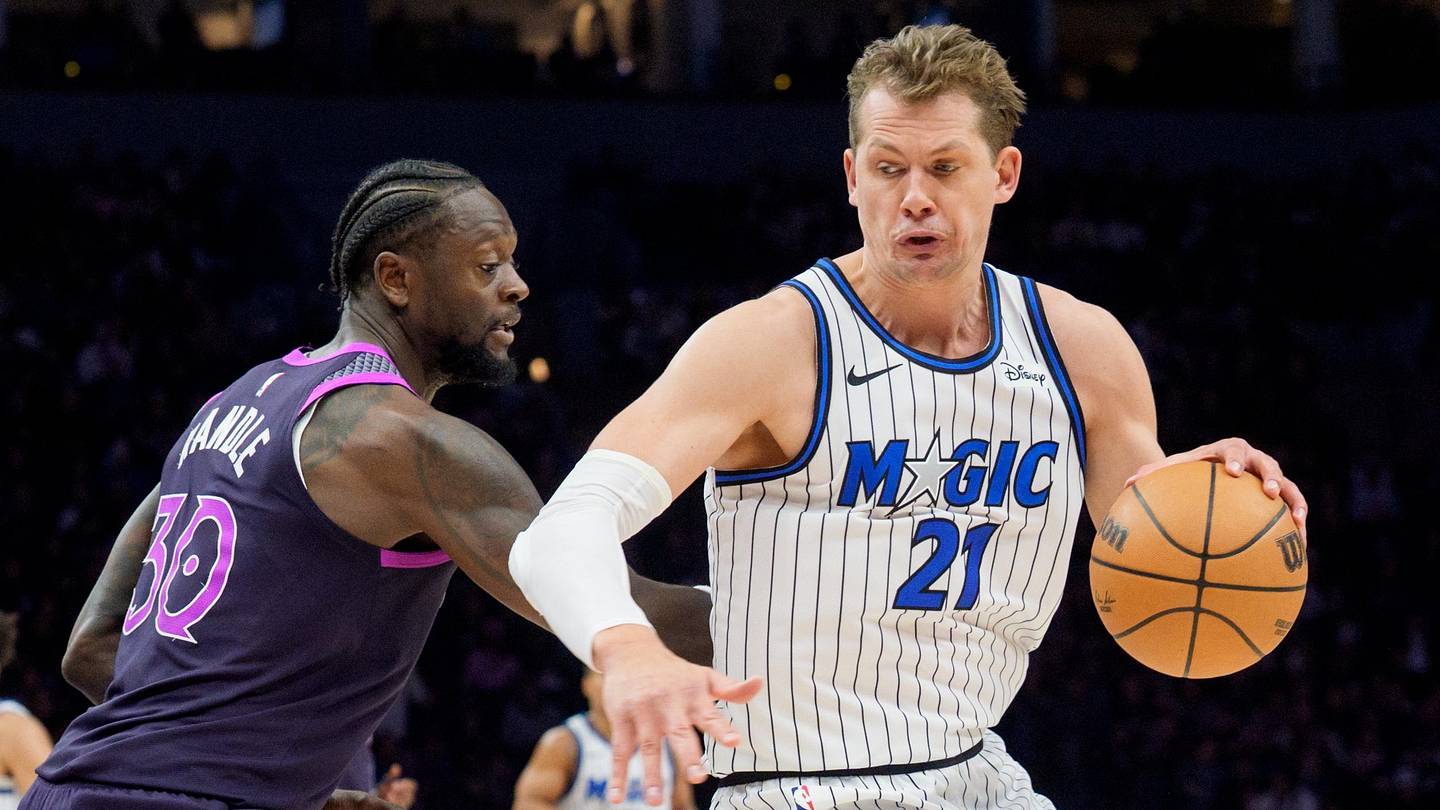
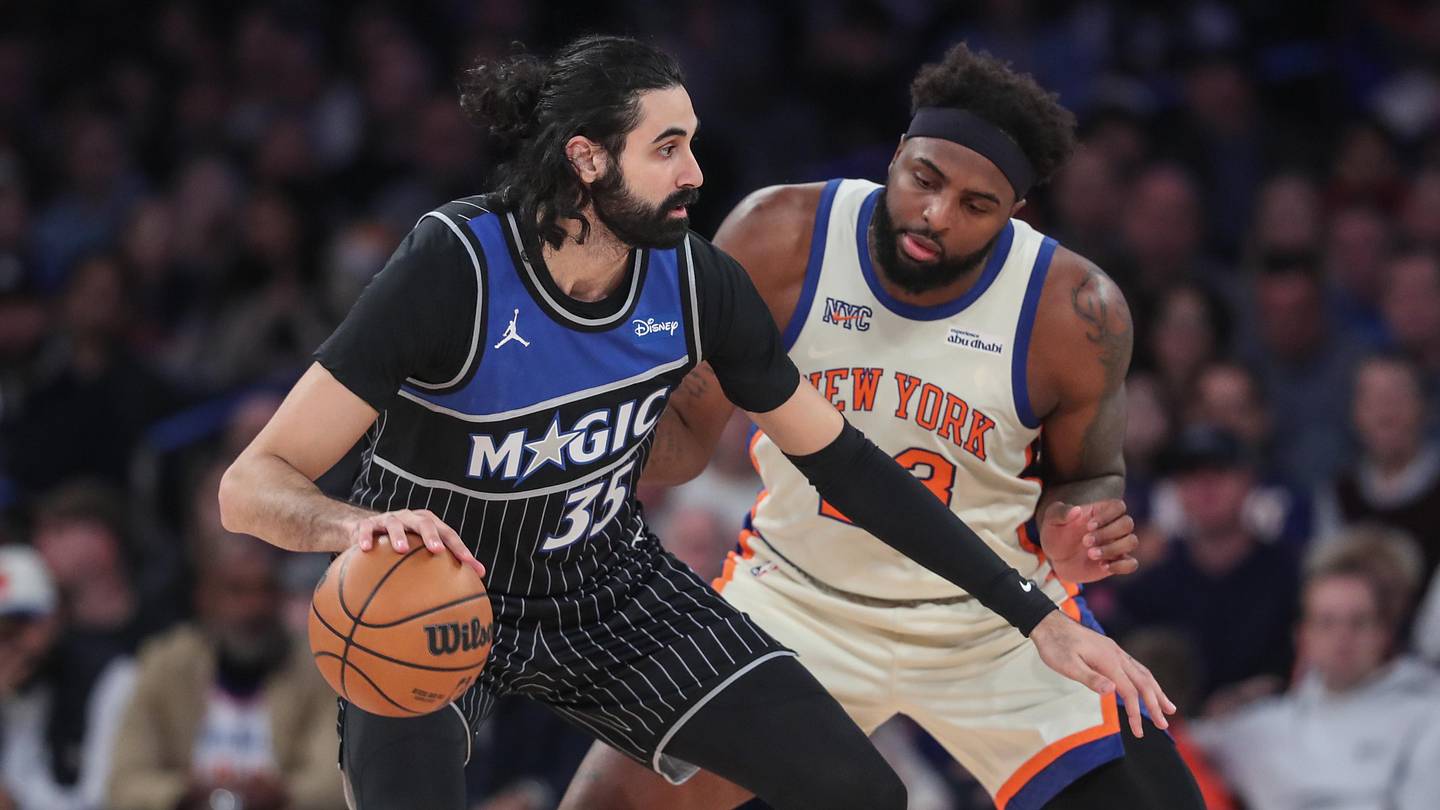
The Orlando Magic entered the 2026 NBA Draft without lottery selections or splashy trade rumors. They did not need either one. This franchise has spent several years methodically building one of the NBA's most distinctive identities around length, athleticism, switchability and relentless physicality. The front office understood that reinforcements capable of preserving that defensive culture mattered more than chasing a savior.
Paolo Banchero and Franz Wagner anchor the group with star power and high-IQ versatility. Their supporting cast suffocated opponents all season by switching actions, protecting the rim and dominating the glass. That formula carried Orlando deep into the postseason and reinforced the belief that elite size remains a winning ingredient in today's NBA. Yet the hard-fought first-round loss to the top-seeded Detroit Pistons revealed a clear weakness: the frontcourt depth looked stretched thin over the grind of a playoff series.

Orlando lacked enough reliable interior bodies to sustain its physical identity for full 48-minute games. That reality shaped every decision on draft night. The most important move did not involve keeping a selection at all. The Magic originally held the No. 46 overall pick and used it on Tennessee big man Felix Okpara before immediately trading him to the Washington Wizards in a pre-arranged deal.
At first glance, dealing away a defensive-minded rim protector appears counterproductive for a team that prizes exactly those traits. In reality the transaction represented textbook asset maximization. Orlando converted one late-second-round selection into multiple future opportunities that better aligned with long-term developmental priorities. Contending clubs must think several moves ahead, especially with future cap concerns on the horizon, and the Magic executed that mindset without seeking attention.

If any prospect captured the exact mold Orlando seeks, it is Izaiyah Nelson. The USF product brings the length, athleticism and nonstop motor that define the organization's scouting checklist. Nelson fits seamlessly into a switchable, physical system designed to maintain defensive intensity rather than chase offensive highlights. His addition directly addresses the need for more energy and versatility up front.
This draft approach continues the patient build that turned the Magic into one of the Eastern Conference's toughest outs. After constructing a hardened defensive core around Banchero and Wagner, the front office recognized that playoff basketball demands extra interior bodies to avoid overtaxing starters. The trade for additional assets positions Orlando to target developmental fits in later selections while preserving flexibility ahead of looming cap decisions. Future moves will focus on adding rim protection and energy to support the established core without disrupting the identity that has defined recent success.
 Orlando Magic