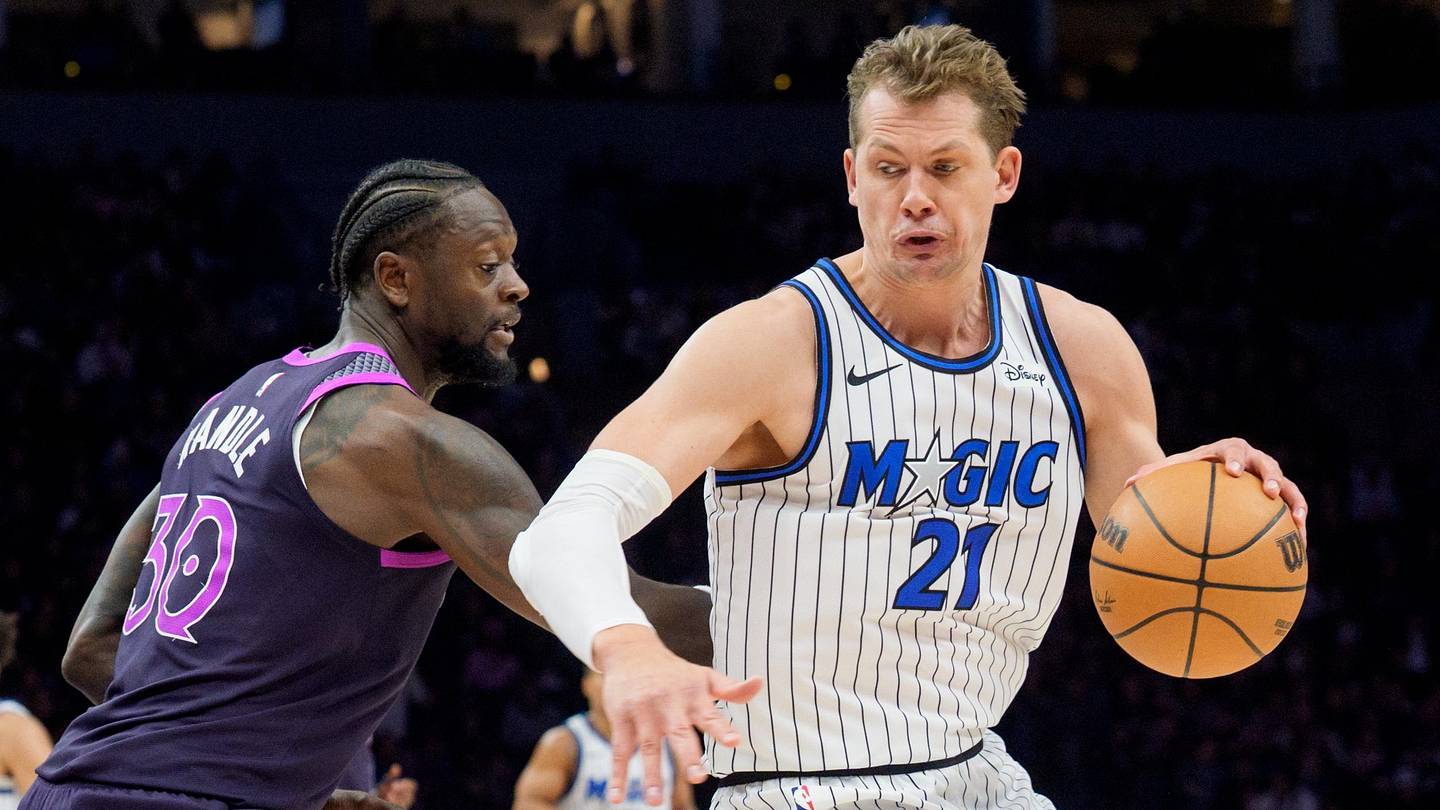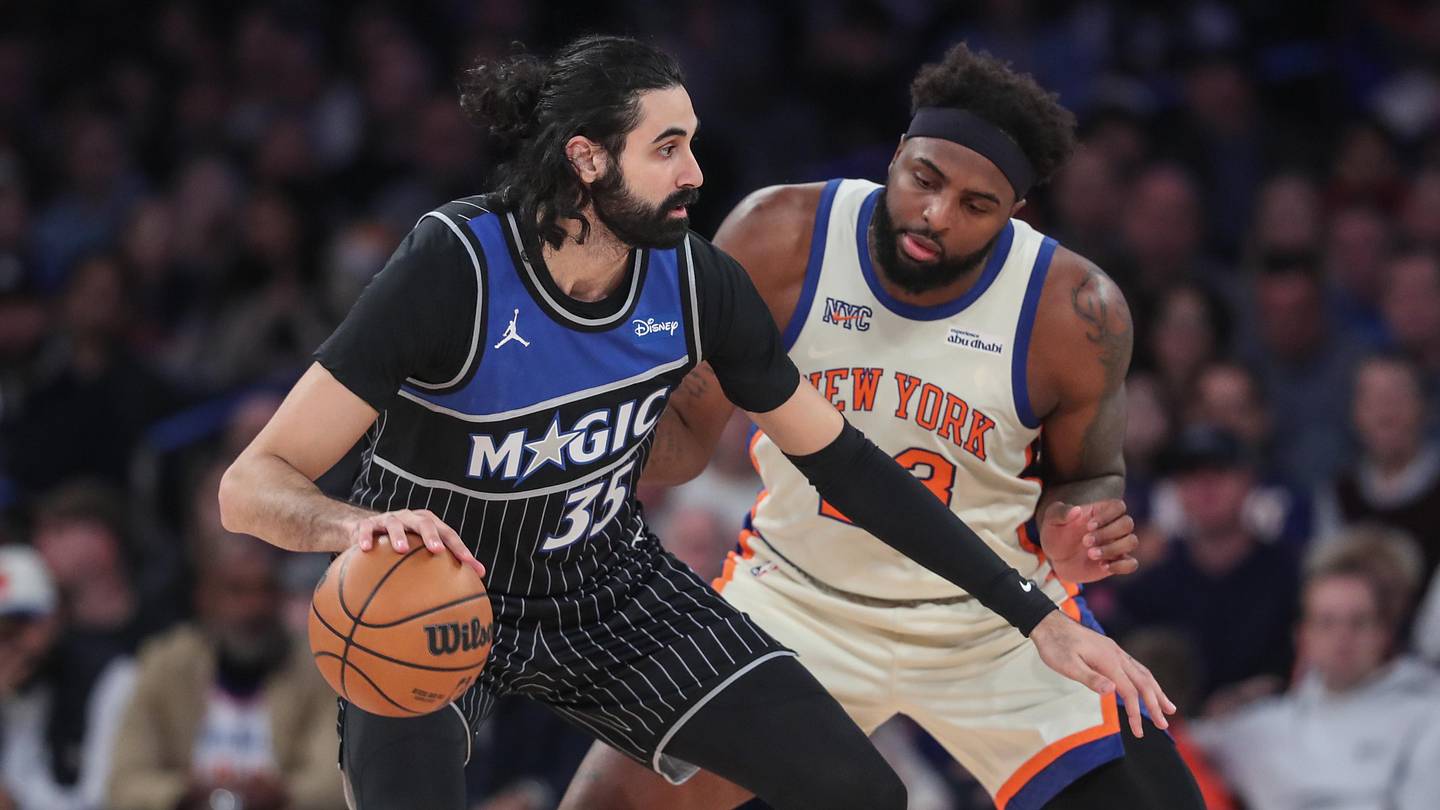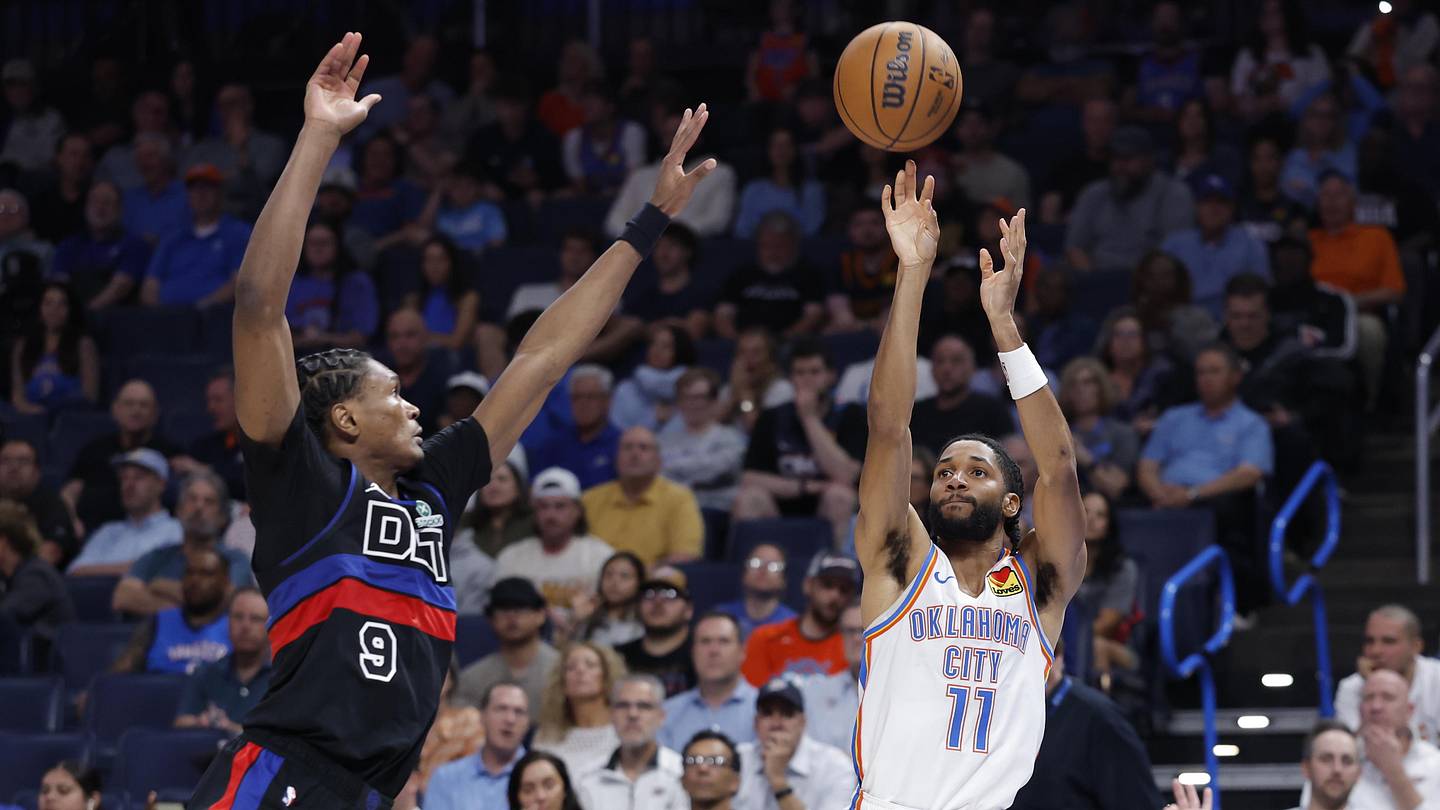
The Oklahoma City Thunder sent sharpshooter Isaiah Joe to the Detroit Pistons in exchange for two second-round picks. The move stemmed directly from Oklahoma City's efforts to shed salary and avoid the luxury tax. For Orlando Magic fans the transaction immediately registered as a missed opportunity. The Magic had targeted Joe as an ideal bench shooter but could not pursue the same deal because they sit in the first apron.
Joe built his reputation as one of the NBA's most efficient high-volume shooters off the bench. He delivered spacing that helped the Thunder maintain offensive flow while still contributing enough defensively to stay on the floor. Oklahoma City ultimately decided he represented a luxury the team could no longer carry under the tax threshold. The Pistons, operating with cap flexibility, absorbed his contract without sacrificing future maneuverability.
Orlando's position in the first apron bars the team from taking on salary without sending out matching money. That restriction prevented any pursuit of Joe even though his shooting profile would have addressed a clear need for additional floor spacing. The Magic now must weigh every potential addition against the requirement to offset incoming dollars, a constraint that limits their ability to add bench specialists without disrupting roster balance.
Detroit put the acquired shooter into a backcourt already stocked with developing talent and veteran pieces. Joe's off-ball movement and three-point volume fit the aggressive schemes the Pistons have emphasized in recent seasons. The move also follows Detroit's earlier decision to trade Isaiah Stewart, another step that increased available cap room. Those transactions together signal that the Pistons intend to use their remaining flexibility aggressively this summer.
Negotiations with restricted free agent Jalen Duren have stalled, leaving open the possibility that Detroit could re-sign the young center, extend him at a higher number, or pivot to other options. The combination of added draft capital, shed salary, and preserved space gives the Pistons multiple paths. They can chase veteran upgrades or continue building through the draft while the Magic remain tethered to apron-related limitations.
Orlando's core of Paolo Banchero, Franz Wagner, and Jalen Suggs already commands significant salary commitments. That reality forces the front office to prioritize internal development or low-cost additions such as undrafted free agents and second-round contracts. The Pistons' recent activity serves as a reminder of how cap flexibility can accelerate contention timelines. For the Magic the summer ahead will center on whether they can create breathing room below the apron or accept the roster rigidity that comes with staying over it.

 Orlando Magic