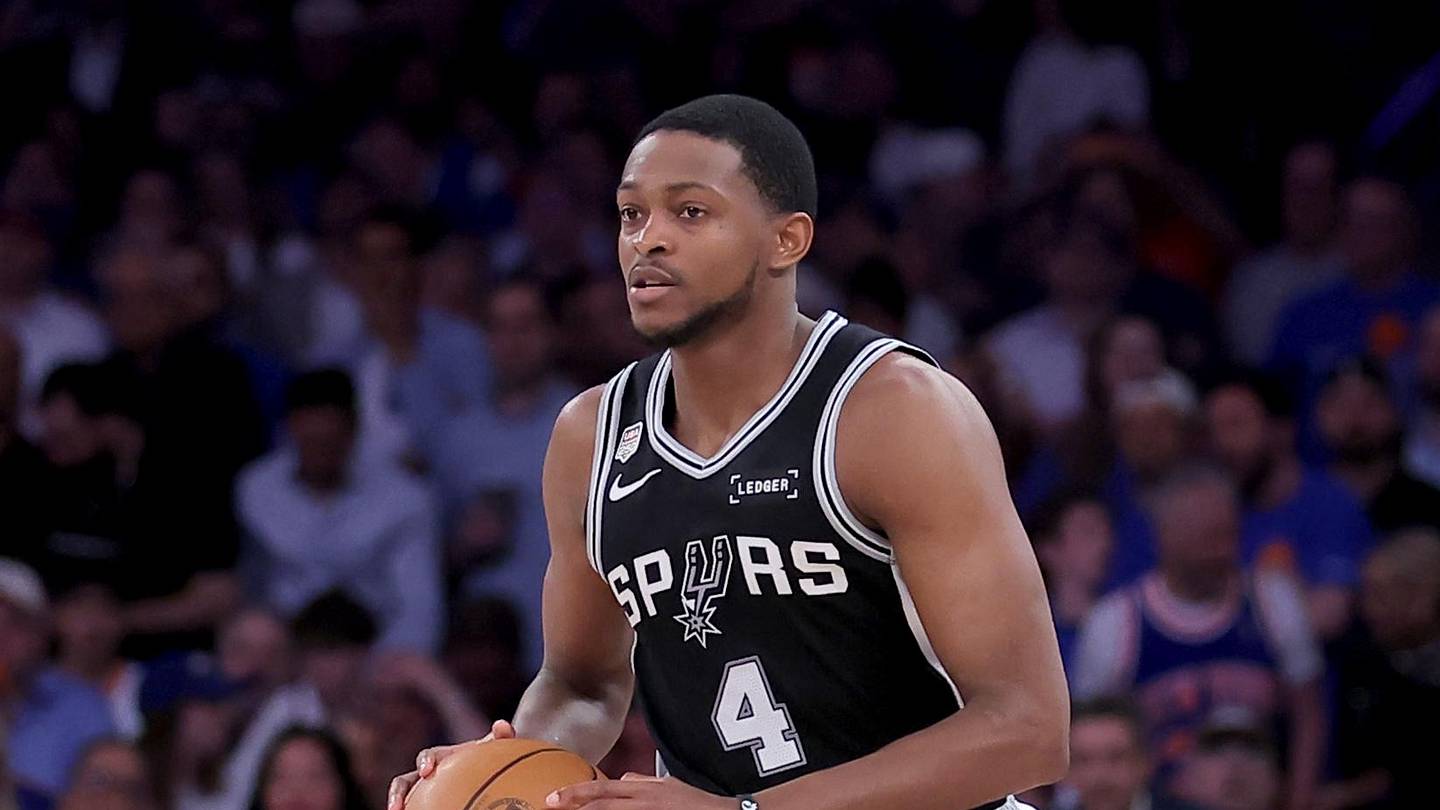
The Brooklyn Nets enter the 2026 NBA Draft holding the sixth overall pick, while the Sacramento Kings sit at the seventh spot. Both clubs are exploring a deal that would give Brooklyn the Kings’ seventh selection plus two future second-round picks in exchange for moving up one slot. The discussion centers on Arkansas guard Darius Acuff Jr., the player most commonly projected at the sixth position, and on whether the Nets would value the additional second-round assets enough to relinquish a single spot.
Analysis places the Nets in the league’s first tier of teams with draft assets, whereas the Kings fall into the third tier because they lack extra draft capital beyond two future second-round picks. In the modern draft market, moving up a spot or two usually costs one or two second-round selections, so the Kings’ offer aligns with typical expectations.
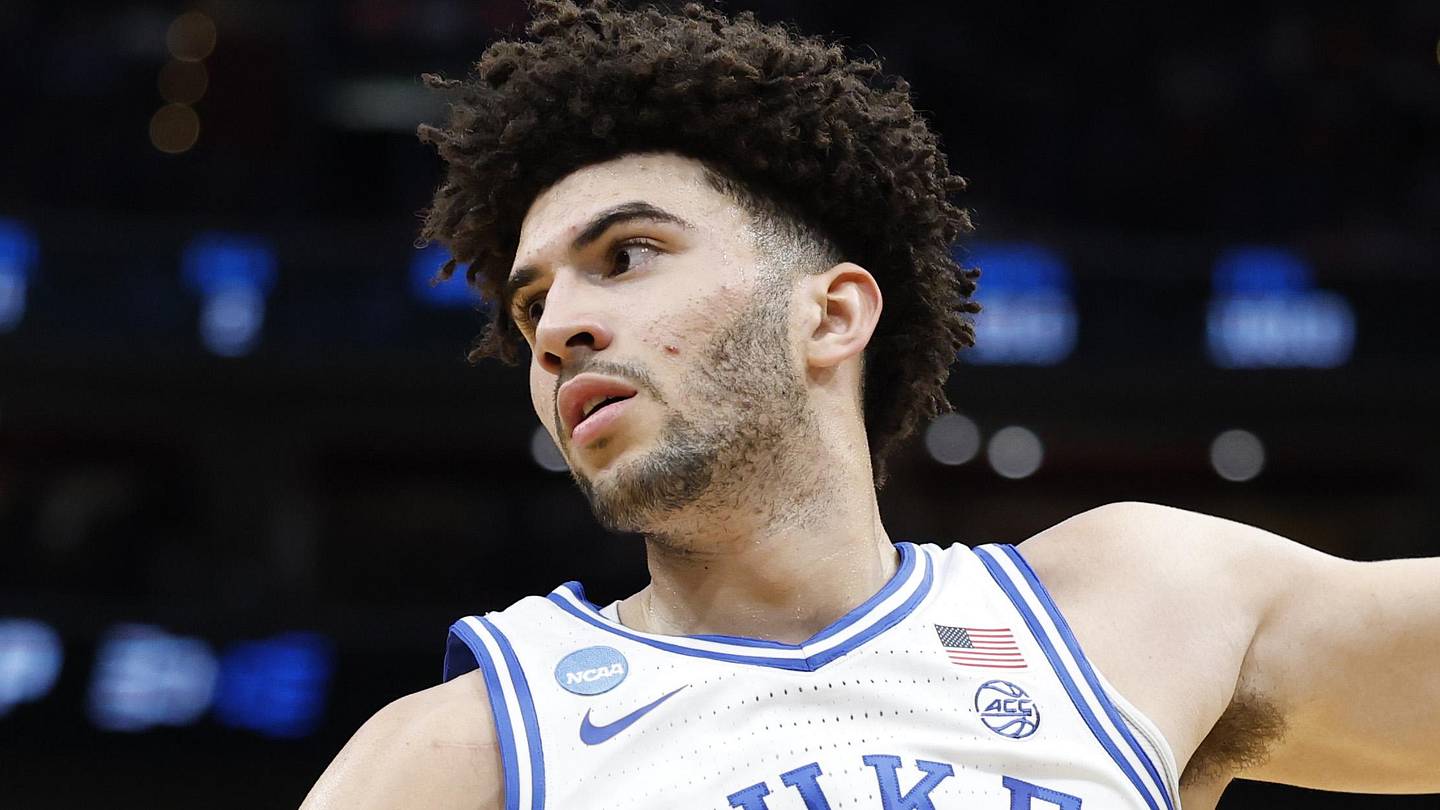
At this stage of the pre-draft cycle, Brooklyn’s options appear to be Acuff, Illinois guard Keaton Wagler, and Louisville guard Mikel Brown Jr., with Tennessee forward Nate Ament projected to slide just after Acuff. Acuff, a versatile guard, is the centerpiece of many mock drafts for the Nets, while Wagler and Brown Jr. provide depth at the guard positions. Ament offers a forward option with a reliable mid-range game should the Nets decide to move down.
If the Nets accept the Kings’ package, they would retain the sixth slot and acquire two future second-round picks, giving them additional flexibility to add late-first-round talent or develop a deeper roster. Conversely, the Kings would secure the sixth pick, potentially accelerating their rebuild by landing Acuff, but only at the cost of future draft capital.
Both franchises are in rebuilding phases that prioritize asset management. Brooklyn has accumulated a range of draft assets and remains active in the draft, while Sacramento has been cautious with its draft capital, making a move up for Acuff a rare opportunity. The outcome, whether Brooklyn stays put at sixth or trades down for extra picks, and whether Sacramento pays the price to move up, will shape roster construction and cap strategy.
Ultimately, the decision hinges on how each club values a single draft slot versus the future flexibility that additional second-round picks provide. For the Nets, the potential to add depth without sacrificing a top prospect is appealing; for the Kings, the chance to acquire a higher-profile prospect must be weighed against the loss of future assets.
 Brooklyn Nets