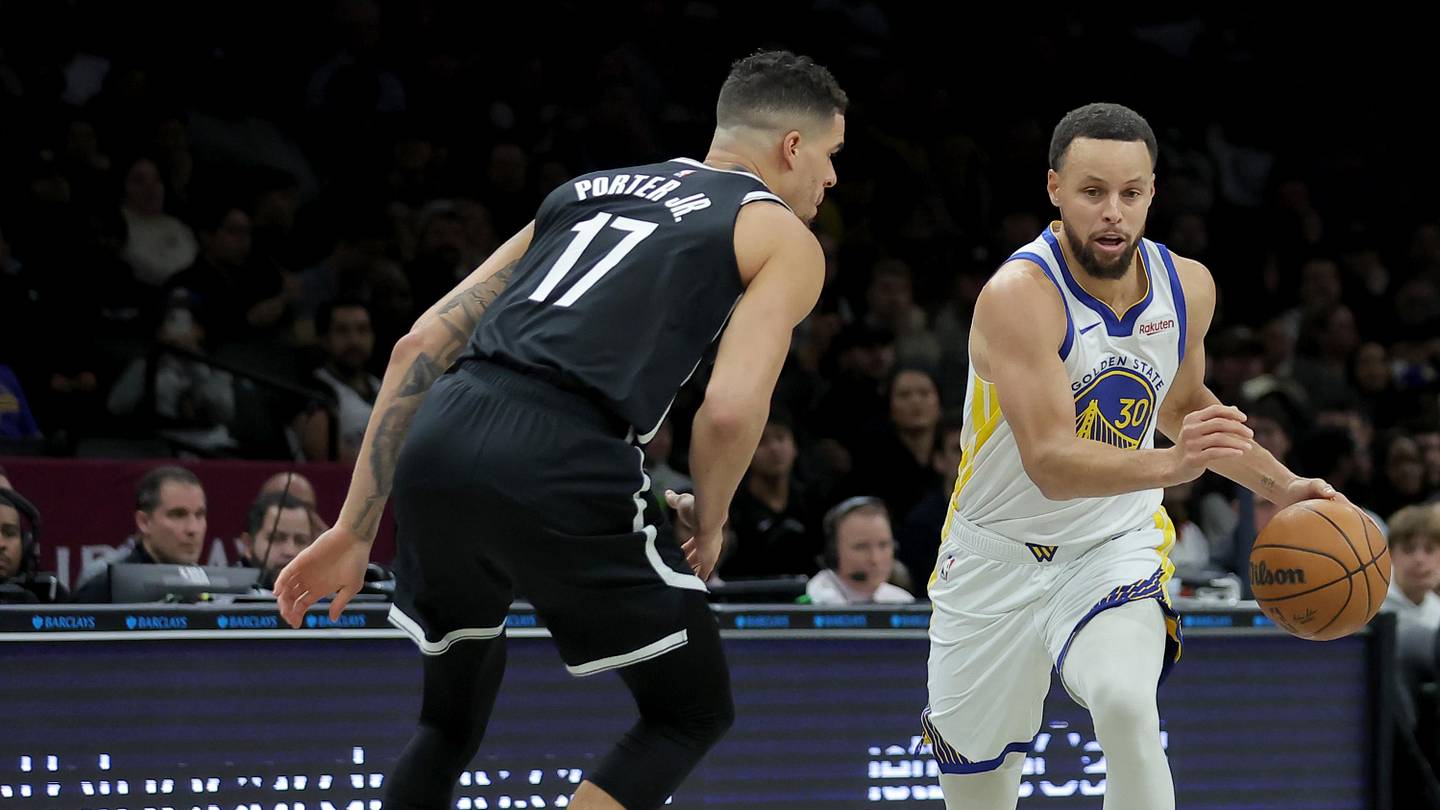
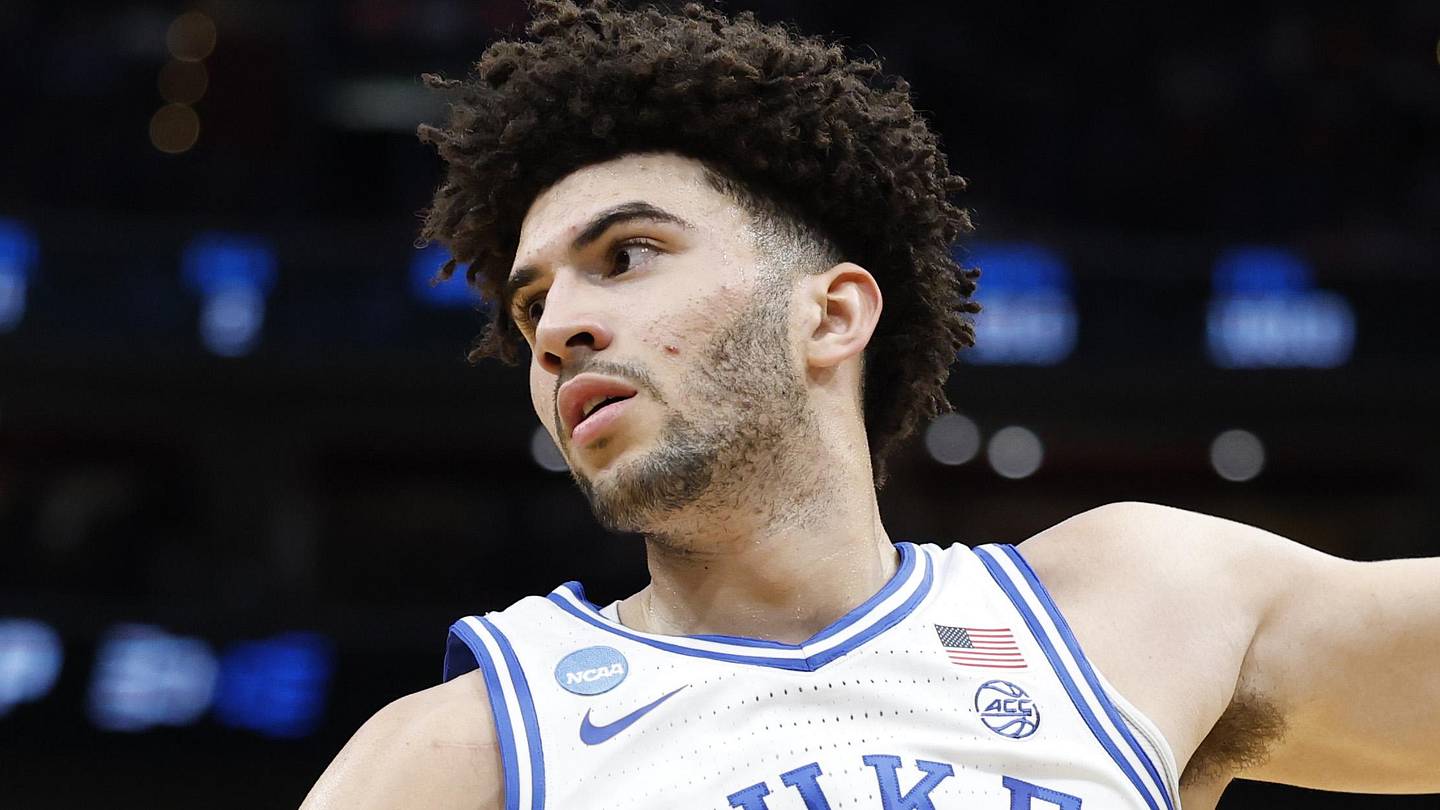
The Brooklyn Nets have zeroed in on Austin Reaves as their marquee free-agency pursuit. Reaves will become an unrestricted free agent after opting out of the final $14.9 million year of his Lakers contract, and Brooklyn is rumored to be preparing a four-year, $178.5 million offer when free agency opens on June 30. The Nets’ interest comes alongside other names such as Peyton Watson, Tari Eason and Jalen Duren, but Reaves stands out because the Lakers would have no matching rights.
Brooklyn sits with roughly $35 million to $40 million of cap space, enough to accommodate a max-level contract without sacrificing major draft assets. The organization already controls a wealth of future picks , 21 second-round selections and a 2032 first-round pick attached to the Michael Porter Jr. trade , but it does not control its 2027 draft pick. That combination of cap flexibility and limited draft leverage makes a high-value free-agent signing a logical lever for the Nets.

Reaves offers the type of two-way wing the Nets have been seeking. His ability to stretch defenses with reliable three-point shooting and to defend multiple positions fits a roster that is still shaping its identity. Adding a player who can contribute on both ends aligns with the Nets’ broader plan to transition from a pure asset-accumulation strategy toward a roster that can compete sooner rather than later.
Sean Marks faces several pivotal offseason decisions. On draft night the club must decide whether to stay at its current sixth-overall slot, move up, or trade down, a choice complicated by the lack of control over the 2027 pick. Simultaneously, Marks must determine whether to renegotiate Michael Porter Jr.’s contract , currently a $40 million expiring deal , and possibly extend him, a move that would free additional cap space for any free-agent addition.

The Lakers, meanwhile, could counter with a five-year, $239 million package for Reaves, though how far new owner Mark Walter will push the offer remains uncertain. If Brooklyn can outbid Los Angeles on a four-year deal, it would signal a shift from pure asset hoarding to an aggressive push for immediate talent.
Ultimately, the Nets must weigh a cap-heavy free-agent contract against the long-term value of preserving draft capital. Their choice will dictate whether Brooklyn makes a quick push toward contention or continues to build a deeper, asset-first foundation for the future.

 Brooklyn Nets