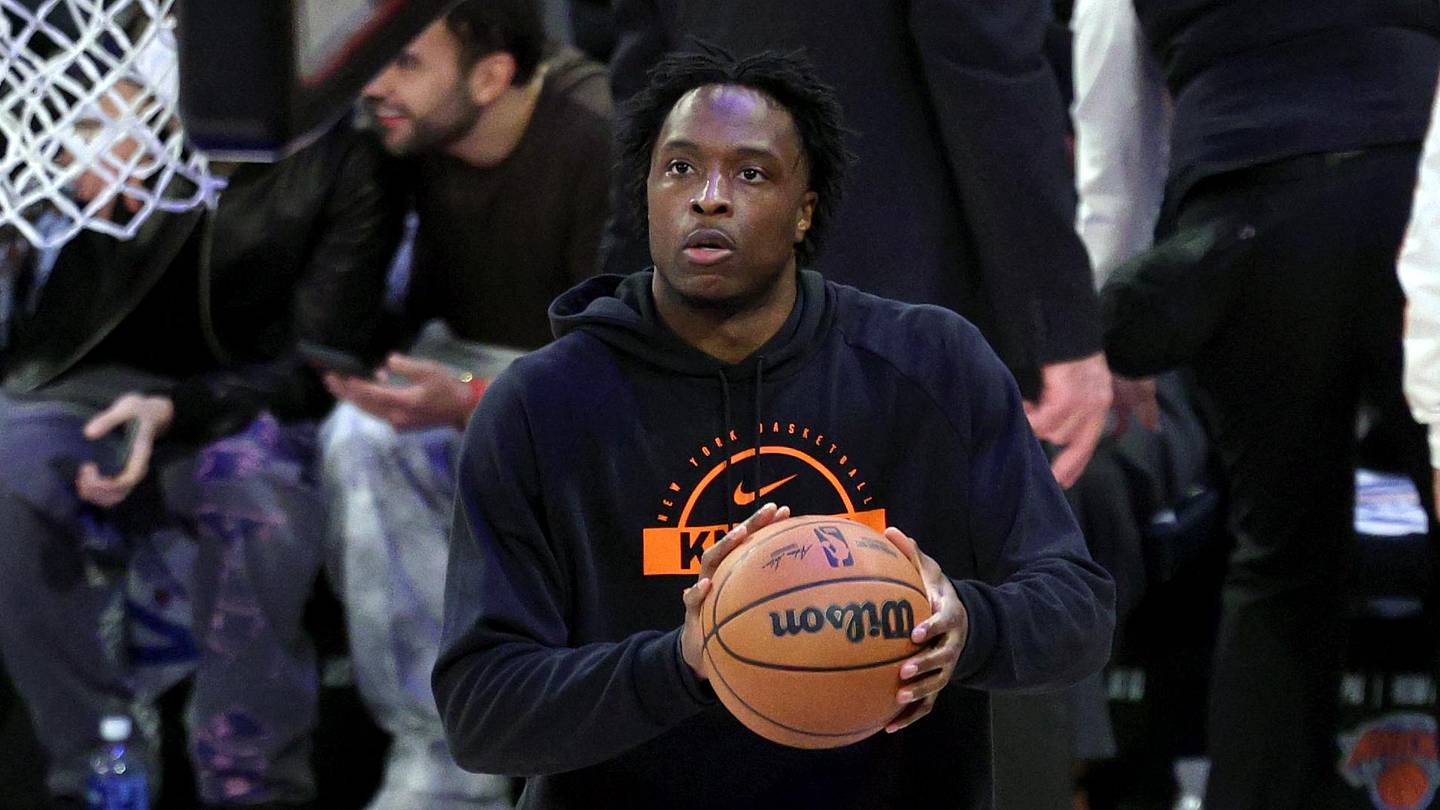
The Denver Nuggets selected Emmanuel Mudiay with the seventh overall pick in the 2015 NBA draft. This choice stands as one of the most regrettable draft night decisions the team has made in the last 15 years. Mudiay arrived after a professional season in the Chinese Basketball Association instead of playing college basketball.
In his two and a half seasons with the Nuggets, Mudiay averaged 11.1 points, 3.1 rebounds, 4.3 assists and 2.5 turnovers per game. His shooting splits sat at 37.5 percent from the field, 32.8 percent from three point range and 73.6 percent from the free throw line. These figures fell well short of expectations for a top ten selection.
Mudiay struggled to control the ball and shoot efficiently. That limited his ability to run an offense or space the floor consistently for teammates such as emerging bigs. The poor efficiency created mismatches against better prepared backcourts and forced the team into difficult adjustments on both ends of the floor.
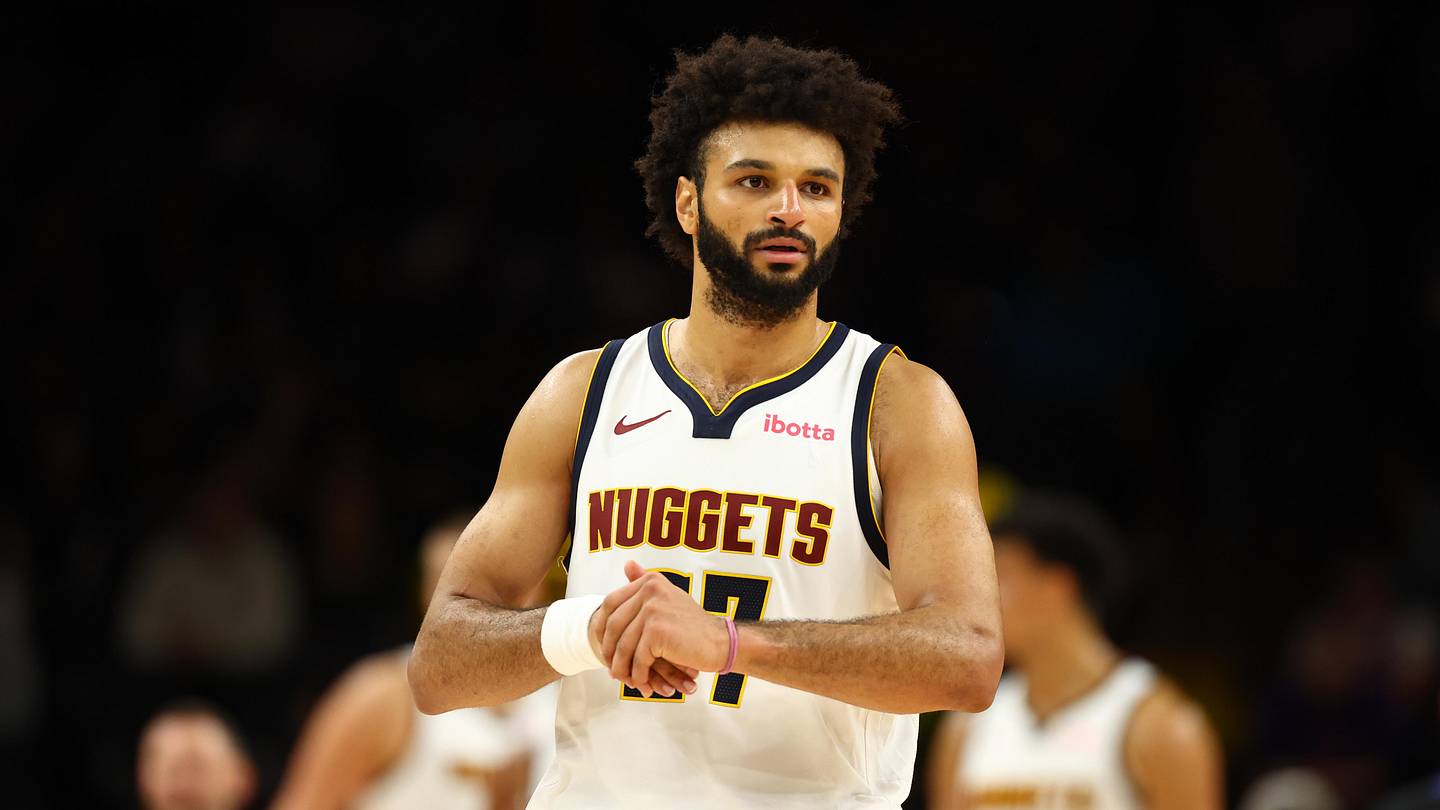
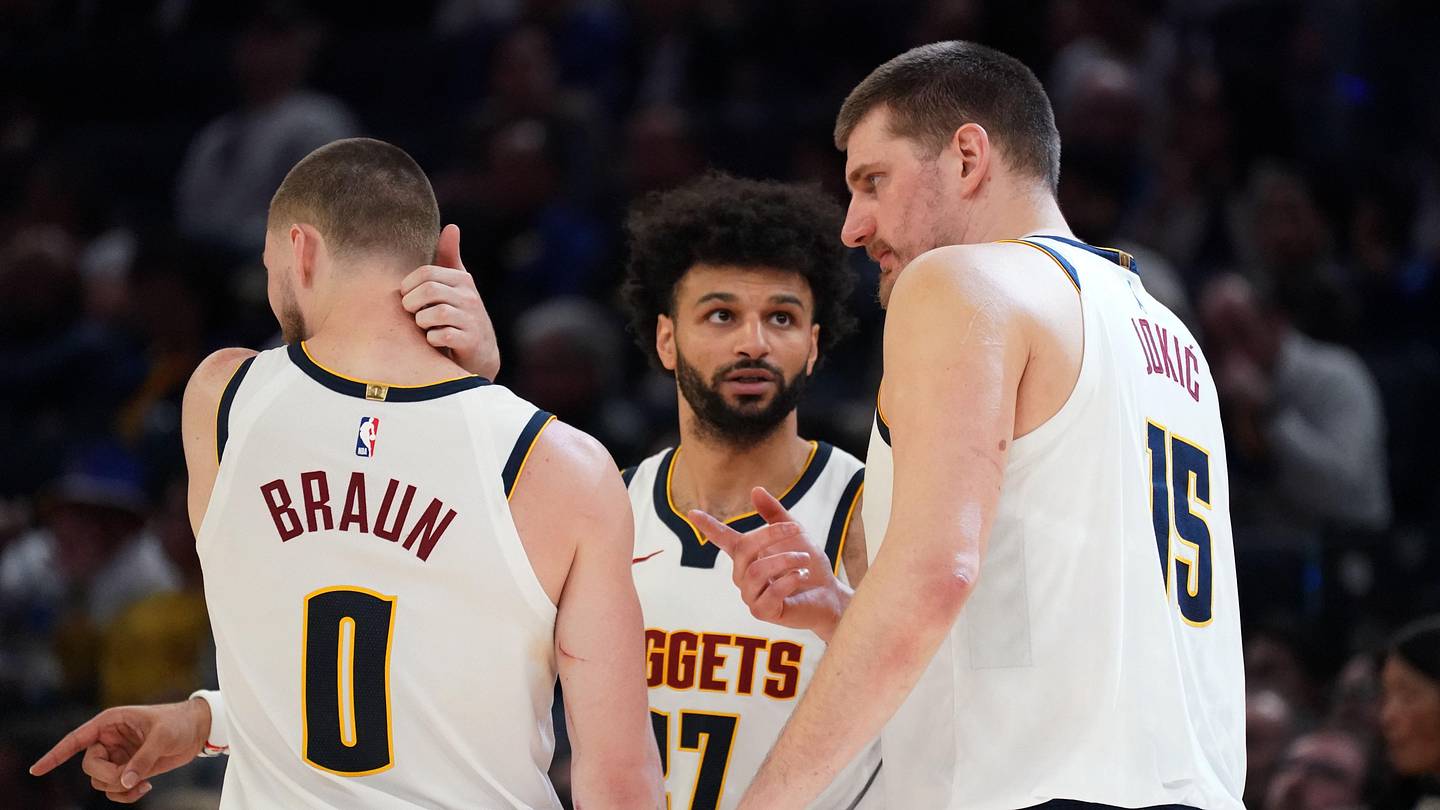
The franchise offset this miss by landing Nikola Jokic with the 41st pick in the 2014 draft. They followed that by selecting Jamal Murray seventh overall in 2016, Michael Porter Jr. in 2018 and Christian Braun in 2022. Additional value arrived through trades for the draft rights to Peyton Watson in 2022 and Jusuf Nurkic in 2014.
Mudiay was traded to the New York Knicks after two and a half seasons in Denver. He ultimately played just five seasons in the league and never lived up to the promise of his draft position.
The contrast between the Mudiay selection and the surrounding successes shows how a single high pick can delay roster building. Even when other moves pay off quickly, the early investment in a point guard who never developed reliable shooting or decision making created a gap that took multiple subsequent drafts to close. Denver needed time to find the right mix around Jokic, and the Mudiay years represented lost ground in what became a championship window.
 Denver Nuggets